Dog Neutering Guide: Costs, Benefits, and Process (2026)


Dog Neutering Guide: Costs, Benefits, and Process (2026)

Dog Neutering Guide: Costs, Benefits, and Process (2026)

Dr. Lidija Krvavac

Updated Date

Updated Date

8 minutes

8 minutes

Custom Icon
Custom Icon
Custom Icon

This article has been reviewed by Dr. Soheyl Simaei

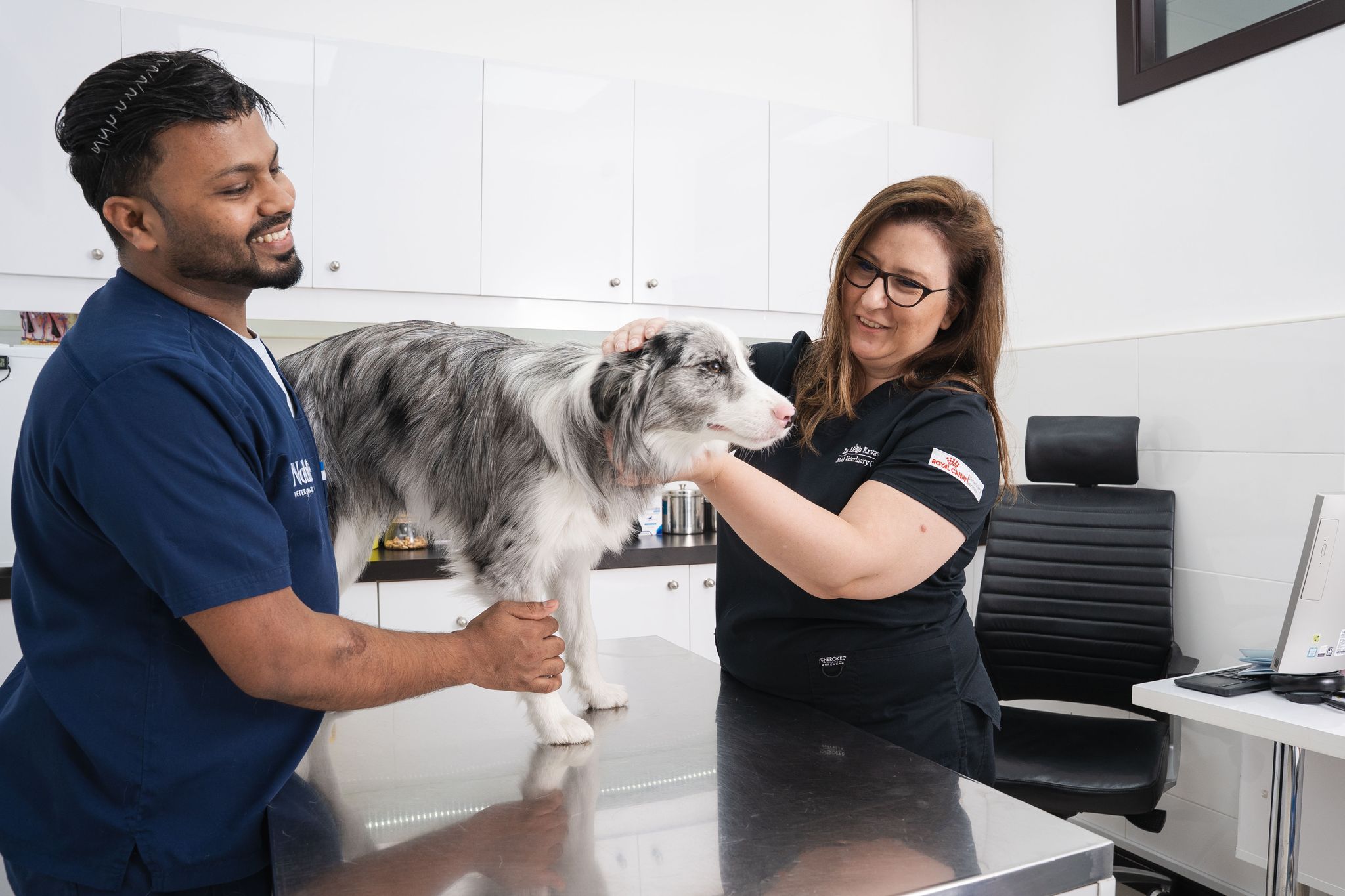
Two veterinarians are preparing a dog for neutering inside the clinic.

In This Article

In This Article

Dog neutering is a medical term that involves the surgical removal of the reproductive organs. For males, it’s castration, while for females, it’s spaying. This safe, routine procedure is performed by veterinarians worldwide as part of dog care. 
Key Takeaways

Dog neutering is the process of carefully removing the reproductive organs to prevent severe diseases, avoid unwanted pregnancies, and promote comfortable behavior. 

Small dogs can be neutered between 6 and 9 months of age, while larger and giant breeds will need to wait until they are 12 months of age or older. 

The process includes fasting, pre-surgery testing, anesthesia, incision and removal, and recovery.

When Should Puppies or Dogs Get Neutered?

The best age to neuter a dog depends on their breed, size, and overall health. Small dogs can be neutered earlier, while larger and giant dog breeds may need to wait longer until they are closer to physical maturity. Here’s a guide explained by our veterinarians: 

Size of Dog

Age

Small

6-9 months

Medium

6-12 months

Large

12-18 months

Giant

14-24 months

We’ll also help you know when your dog is ready for the procedure. Our team will provide a dedicated timeline and schedule so you can rest easy and your dog can recover properly. 

How Much Does Dog Neutering Cost?

Our team offers transparent pricing for the procedure based on size and sex, ranging from AED 1,200 to AED 2,500. Here’s an overview:

Size of Dog

Male Dogs

Female Dogs

Small (0-10 kg)

AED 1,200 

AED 1,500 

Medium (10-20 kg)

AED 1,400

AED 1,700

Large (20-30 kg)

AED 1,700

AED 2,000

Giant (30+ kg)

AED 2,000

AED 2,500

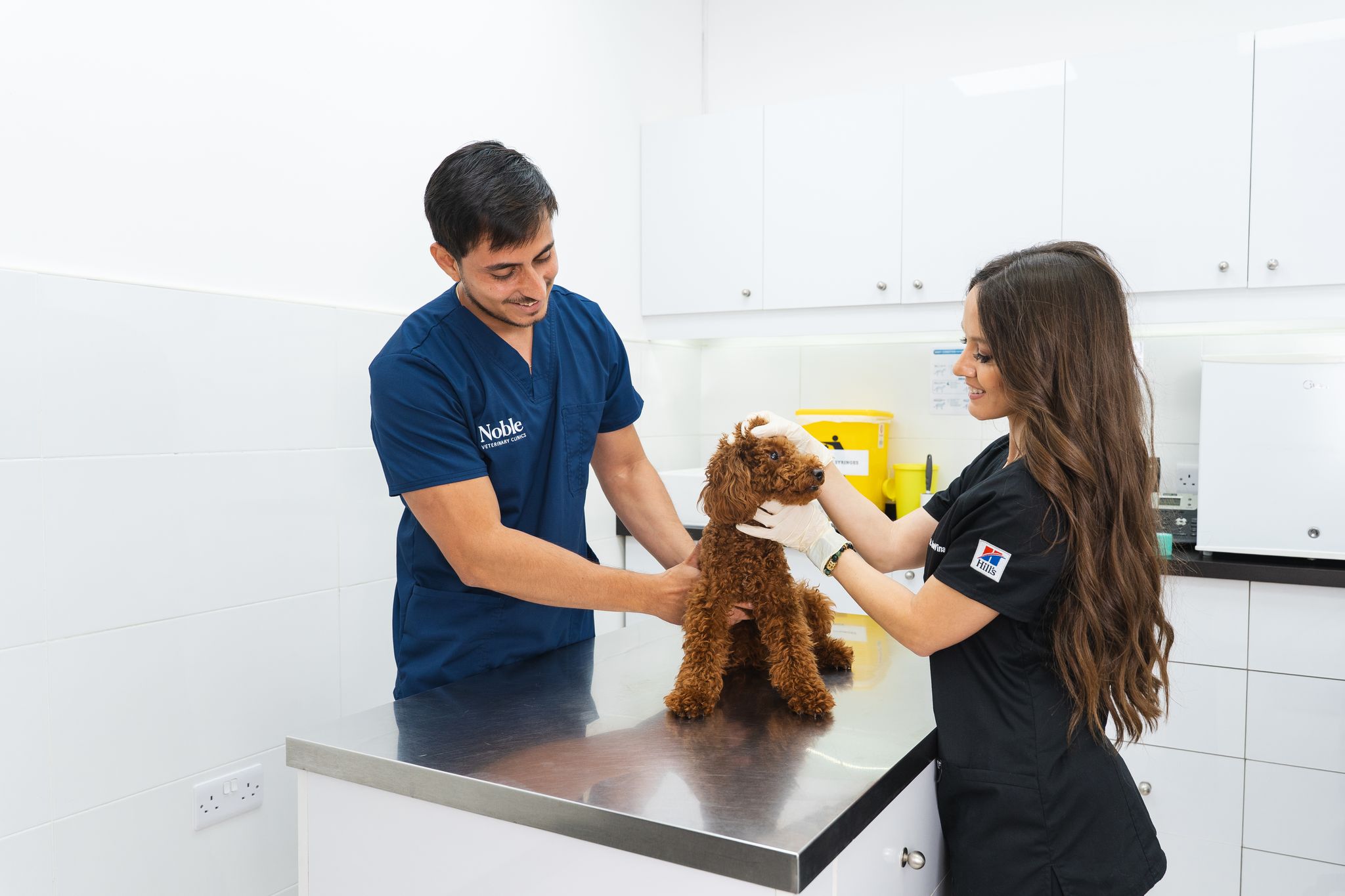
Two veterinarians are giving a dog a complete checkup and assessment before proceeding with the neutering surgery.

Why Should I Neuter My Dog?

One of the main reasons to neuter your dog is to prevent unwanted pregnancies. Neutered male dogs cannot make females pregnant, and neutered females cannot become pregnant. This helps prevent accidental litters and reduces the overpopulation of dogs in the city. 

These procedures also significantly improve your dog’s health and quality of life because they eliminate the risk of reproductive health problems. 

For example, neutering removes the testicles, completely eliminating the chance for testicular cancer to happen. In a similar way, spaying removes the risk of ovarian and uterine cancers because the ovaries and uterus are removed during the procedure. 

Another benefit is that it eliminates hormone-related behaviors, such as roaming, mounting, and urine marking. Spaying also prevents the heat cycle in female dogs, which means no symptoms, no behavioral shifts, and no discomfort.

Want to have your dog spayed or neutered?

Want to have your dog spayed or neutered?

Book a consultation with us today.

Book a consultation with us today.

The Dog Neutering and Spaying Procedure

The process includes a pre-surgery health check, anesthesia, surgery, and recovery. Here’s the full procedure explained by Dr. Soheyl:

  1. Pre-Surgery Check

Before the day of the procedure, we’ll ask you to withhold food and water the night before the surgery. We may also do bloodwork to check organ function and ensure your dog is fit for anesthesia. 

  1. Anesthesia Administration

We’ll administer the anesthesia so your dog can stay comfortable and pain-free during the procedure. Our team will monitor heart rate, breathing, and other vital signs.

  1. Incision and Removal

For males, our veterinarians will make a small incision near the scrotum and carefully remove the testicles. This is a quick procedure, lasting about 20 minutes. 

For females, the incision will be made in the abdomen to remove the ovaries and uterus. This may take between 30 and 90 minutes.

  1. Closing and Monitoring

After the reproductive organs have been removed, we’ll close the incision using stitches, surgical glue, or internal sutures. Our team will keep a close eye on your dog during recovery. 

  1. Home Recovery

When your dog is ready to go home, we’ll provide medications, an E-collar, and aftercare instructions. 

How to Help Your Dog Recover at Home

Your dog needs help to ensure a speedy, smooth recovery without complications. Follow these tips from our vets:

  1. Provide a clean and comfortable resting space

  2. Use an E-collar to prevent licking and biting

  3. Check on the incision daily

  4. Give medication as prescribed

  5. Limit activity and exercise

  6. Keep the incision dry and clean

  7. Watch overall behavior

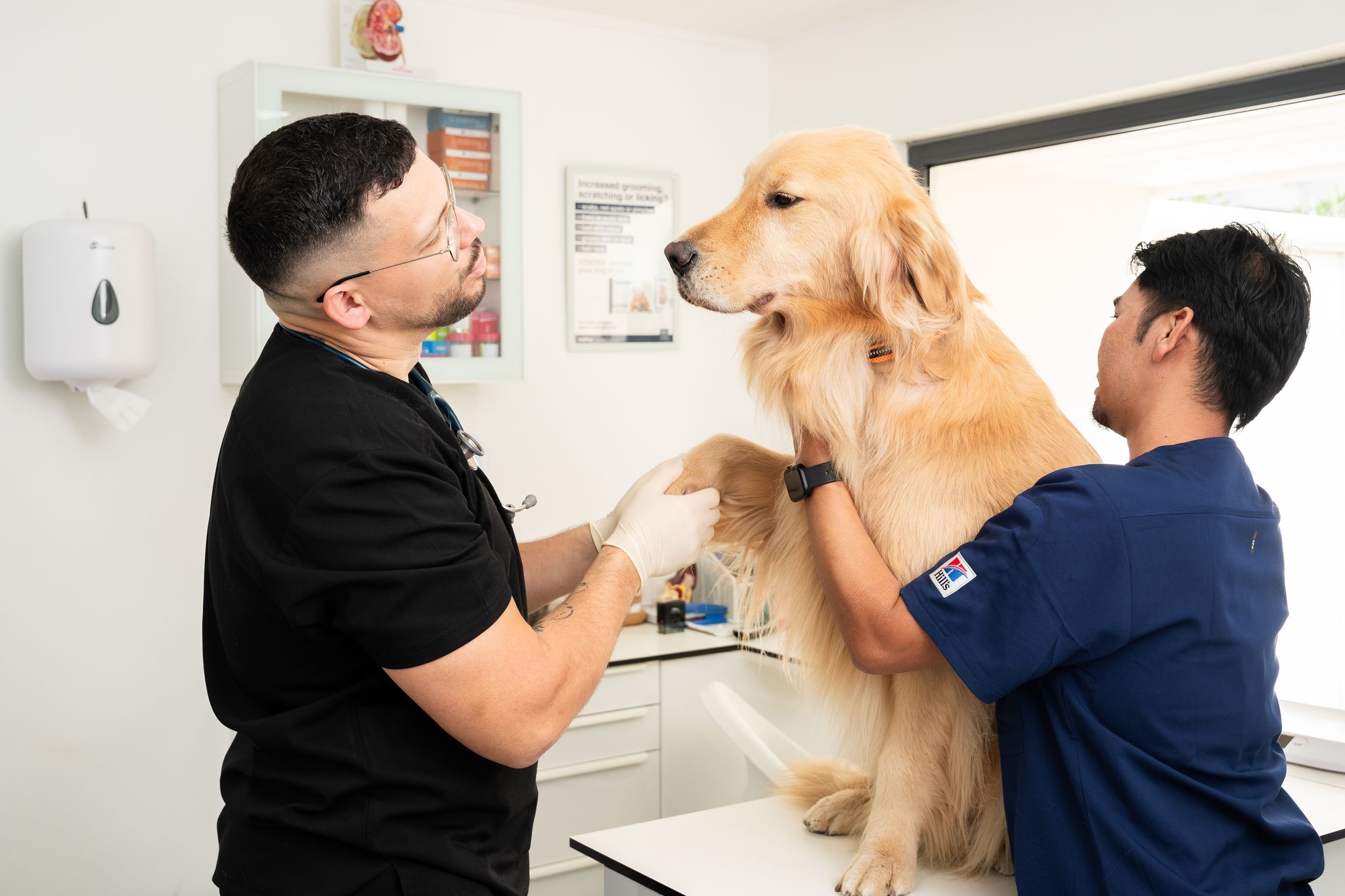
A dog is coming in for its follow-up checkup after the dog neutering surgery.

Are There Risks or Complications With Dog Neutering?

Dog neutering and spaying are routine surgeries that may have some risks. These may include bleeding, swelling, infection, and other complications at the incision site. 

Some dogs may also react to the anesthesia itself, which can cause drowsiness, lethargy, balance issues, whining, restlessness, loss of appetite, and nausea. 

In severe cases, some dogs may exhibit extreme lethargy, gastrointestinal distress, breathing difficulties, and pale gums. These are signs that require emergency care. Always monitor your dog at home and call our vets if you notice anything unusual. 

“Routine procedures are meant to make our best friends’ lives easier and happier.”

- Dr. Lidija Krvavac

Spaying and neutering are standard procedures that many veterinarians recommend. The right timing depends on your dog’s breed, size, and age. Before booking the procedure, speak with our experts about the best way to approach this surgery. 

Frequently Asked Questions

Is neutering painful for dogs?

Your dog won’t feel any pain or discomfort during the surgery because they’ll be fully unconscious under general anesthesia. When they wake up, they will feel mild to moderate discomfort as the incision heals.

Is neutering painful for dogs?

Your dog won’t feel any pain or discomfort during the surgery because they’ll be fully unconscious under general anesthesia. When they wake up, they will feel mild to moderate discomfort as the incision heals.

How long does it take for dogs to recover?

It may take 10-14 days of restricted activity and complete incision care for dogs to fully recover from the procedure. Recovery is faster when complications are kept to a minimum.

How long does it take for dogs to recover?

It may take 10-14 days of restricted activity and complete incision care for dogs to fully recover from the procedure. Recovery is faster when complications are kept to a minimum.

Should indoor dogs get spayed and neutered?

Yes, we recommend neutering indoor dogs because it prevents life-threatening conditions such as pyometra, mammary tumors, and testicular cancer. It also significantly improves your dog’s behavior.

Should indoor dogs get spayed and neutered?

Yes, we recommend neutering indoor dogs because it prevents life-threatening conditions such as pyometra, mammary tumors, and testicular cancer. It also significantly improves your dog’s behavior.

What should I do if my dog’s incision opens?

An open incision is considered an emergency and requires veterinary attention. Contact us right away and do not touch or apply ointments.

What should I do if my dog’s incision opens?

An open incision is considered an emergency and requires veterinary attention. Contact us right away and do not touch or apply ointments.

Can a female dog be spayed while in heat?

Yes, female dogs can be spayed even if they’re in heat. However, our vets recommend waiting until the cycle is complete, as it’ll be safer and will carry significantly fewer complications.

Can a female dog be spayed while in heat?

Yes, female dogs can be spayed even if they’re in heat. However, our vets recommend waiting until the cycle is complete, as it’ll be safer and will carry significantly fewer complications.

Share

Share

Custom Icon
Custom Icon
Custom Icon

Subscribe to Our Newsletter

Sign up for weekly pet health tips and insights from our veterinarians.

Sign up for weekly pet health tips and insights from our veterinarians.

Wellness & Emergency Care

Book Appointment

Worried about your pet?

We’re here for urgent care, wellness checks, or anything in between. 

At Noble Vet Clinic, we support lifelong pet wellness and the relationships that make it meaningful.

We’re Hiring! Let’s transform the future of veterinary care together.

We’re Hiring! Let’s transform the future of veterinary care together.

We’re Hiring! Let’s transform the future of veterinary care together.

We’re Hiring!

© 2006-2026 Noble Veterinary Clinics

Noble Vet Clinics logo
Your veterinary practice, always here
Instagram icon
Facebook icon
LinkedIn icon
TikTok icon

© 2006-2026 Noble Veterinary Clinics

Noble Vet Clinics logo

Policies

Contact Us

DIP - 8am to 9pm
JLT - 10am to 7pm

Jumeirah -

Mon-Fri: 8am to 8pm

Sat-Sun: 9am to 6pm

© 2006-2026 Noble Veterinary Clinics