FVRCP: What Is It and Why Is It Required in Dubai?

Key Takeaways
FVRCP is a core vaccination for cats.
Cats can begin their FVRCP vaccinations at 6-8 weeks of age.
FVRCP is required for pet ownership, international travel, and access to local services.
Summary
FVRCP vaccine is one of the most important tools in preventive care. It's a combination vaccine for cats that offers significant protection against highly severe diseases, namely feline viral rhinotracheitis, feline calicivirus, and feline panleukopenia, hence the name.
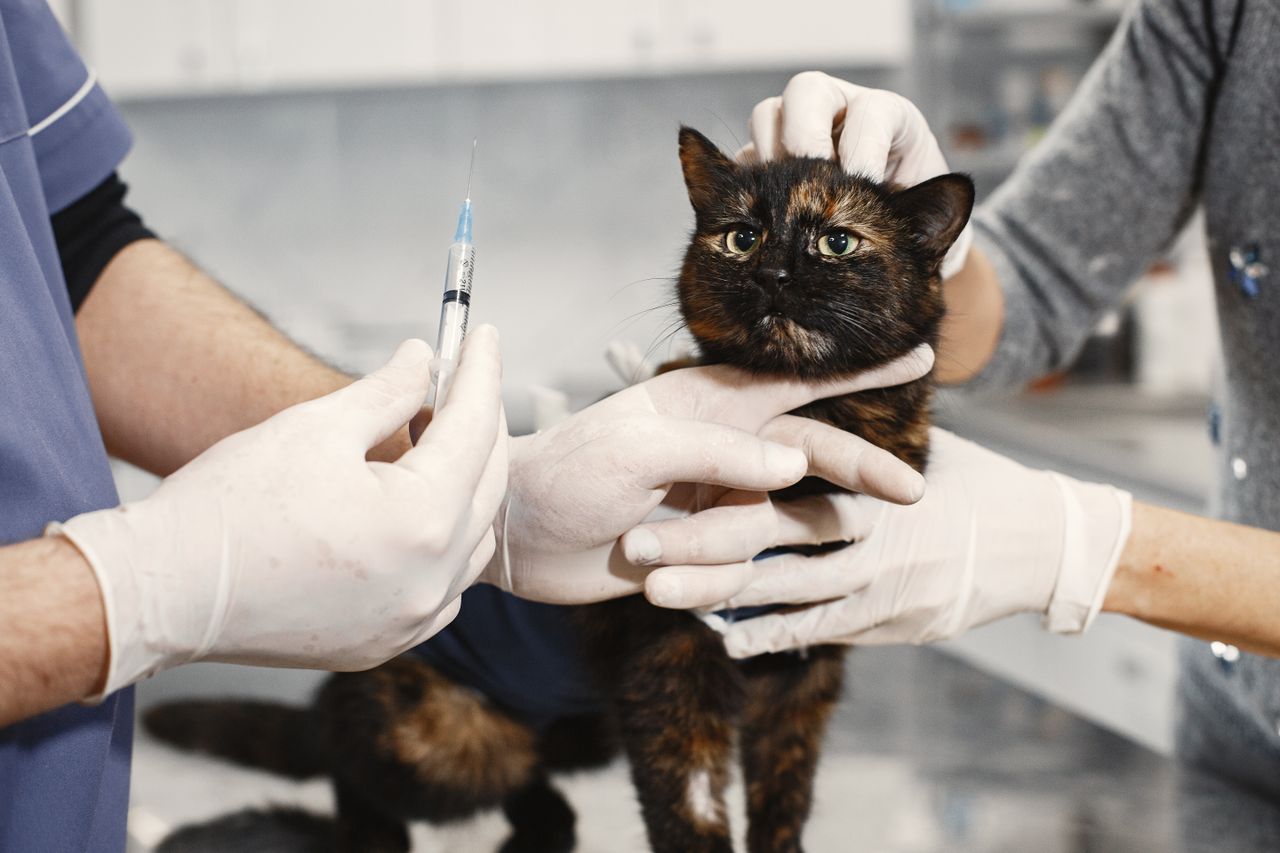
It's typically given as an injection and is based on your cat's body, age, health, and lifestyle. A core vaccine plan is essential to keep your cat safe from infectious diseases and their severe symptoms.
How Does It Work?
The vaccine contains a harmless version of the three viruses, teaching the immune system to recognize the pathogens and develop antibodies in response. When the real threat comes, the immune system will be able to recognize the viruses and act accordingly.
Two main formulations exist for FVRCP vaccination: killed-virus (inactivated) vaccines and modified-live-virus (MLV) vaccines.
Killed Virus Vaccines: Inactivated vaccines contain whole, non-replicating viral agents. While they are safe, they do offer slower immunity and stricter booster requirements.
Modified Live Virus Vaccines: Modified FVRCP contain the weakened versions of the viruses. They provide rapid immunity and require fewer doses compared to killed virus vaccines.

What Does FVRCP Protect Against?
Feline Viral Rhinotracheitis (FHV-1)
Feline viral rhinotracheitis is caused by feline herpesvirus type 1. It's responsible for over 50% of all confirmed viral upper respiratory infections in cats. The disease spreads through direct contact with infectious particles from the eyes, nose, or saliva.
Cats infected with FHV-1 show sneezing, clear or yellow discharge from the nose and eyes, conjunctivitis, and sometimes eye pain. After recovery, the virus can remain in their body for the rest of their life, becoming active again due to stress, secondary infections, or illness.
Feline Calicivirus (FCV)
The feline calicivirus is a highly contagious virus in cats that causes upper respiratory infections and oral disease. It spreads through direct contact with an infected cat's bodily fluids, such as nasal discharge and saliva.
Cats with feline calicivirus suffer from drooling, nasal discharge, lethargy, and even joint pain. Some may develop painful ulcers on the tongue and gums.
The disease can potentially progress to FCV-associated virulent systemic disease, or FCV-VSD. This causes more severe symptoms such as high fever, swelling on the face and limbs, oozing skin sores, and even death.
Feline Panleukopenia (FPL)
Often called feline distemper, feline panleukopenia causes symptoms that target rapidly dividing cells in the bone marrow, lymph nodes, and intestines. It's caused by feline parvovirus and is transmitted through the fecal-oral route.
This means that cats who come into contact with contaminated feces, urine, nasal secretions, and environments can contract the virus. The virus persists in the environment for over a year, resisting many common disinfectants.
FPV causes persistent vomiting, severe diarrhea, high fever, extreme lethargy, dehydration, severe weight loss, and collapse. Feline panleukopenia can also be fatal, even with intensive nursing care and intravenous fluid therapy. Kittens are especially vulnerable.
Is FVRCP Required for Cats?
The UAE mandates two core vaccinations for cats, the FVRCP and rabies vaccines. These are crucial parts of pet ownership, along with microchipping and registration.
Routine vaccination ensures the safety of both your cat and the entire community. It also helps prevent illness-related suffering and avoids expensive medical costs. FVRCP protects the most vulnerable pets, especially kittens, senior cats, outdoor cats, and those with compromised immune systems.
FVRCP vaccination is also required before international travel. Cats must receive these vaccinations at least 21 days before departure.
Additionally, local services in Dubai, such as boarding facilities, daycares, and grooming salons, require FVRCP and rabies vaccines. This helps keep all the pets safe and prevents the spread of disease.







Subscribe to Our Newsletter
Worried about your pet?
We’re here for urgent care, wellness checks, or anything in between.