AVIAN CARE

Bird Veterinarian in Dubai

Our avian vet specialises in parrots, budgerigars, lovebirds, canaries, and more, giving them the health and behavioural support they need to live their happiest lives.

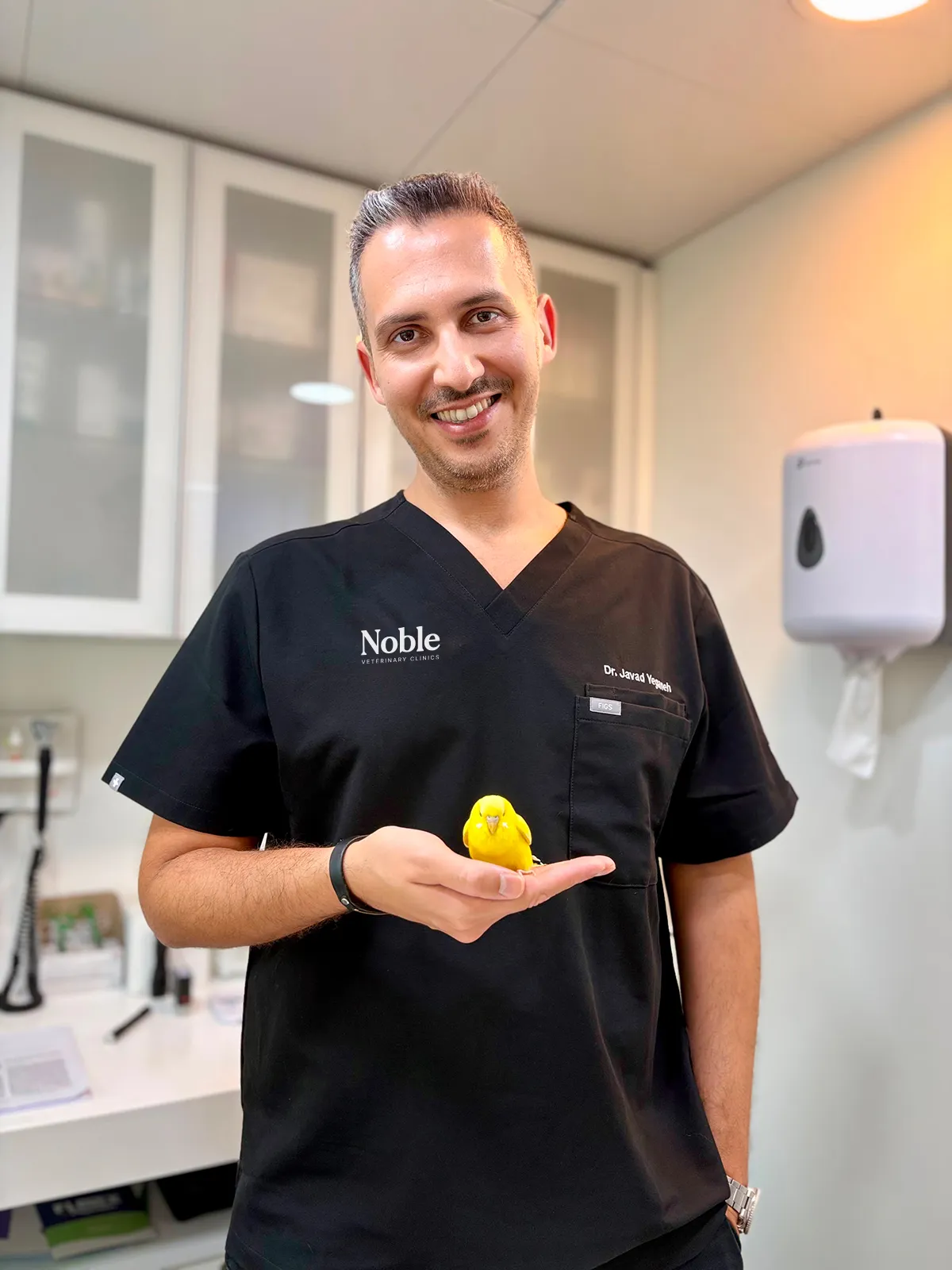
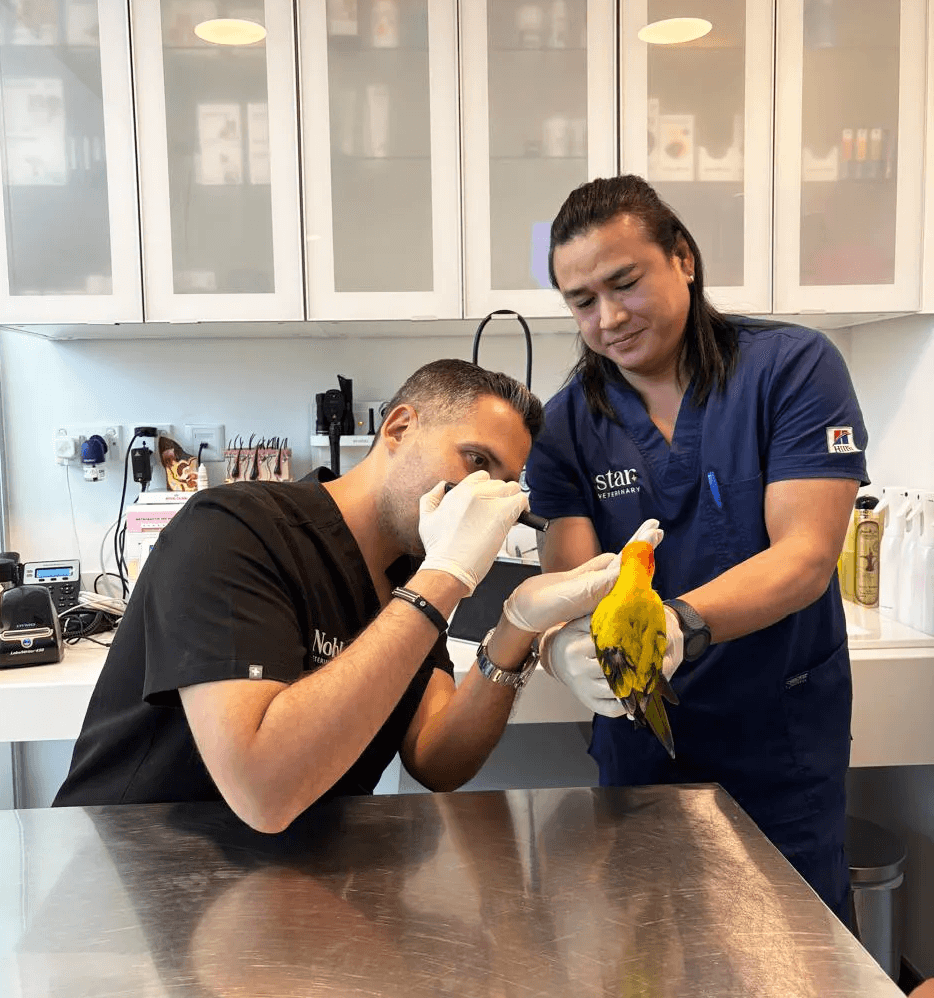
Dr. J. Yeganeh, avian veterinarian at Noble Veterinary Clinics Dubai, gently holding a pet bird during a wellness checkup

AVIAN CARE

Bird Veterinarian in Dubai

Our avian vet specialises in parrots, budgerigars, lovebirds, canaries, and more, giving them the health and behavioural support they need to live their happiest lives.

Dr. J. Yeganeh, avian veterinarian at Noble Veterinary Clinics Dubai, gently holding a pet bird during a wellness checkup

AVIAN CARE

Bird Veterinarian in Dubai

Our avian vet specialises in parrots, budgerigars, lovebirds, canaries, and more, giving them the health and behavioural support they need to live their happiest lives.

Dr. J. Yeganeh, avian veterinarian at Noble Veterinary Clinics Dubai, gently holding a pet bird during a wellness checkup

AVIAN CARE

Bird Veterinarian in Dubai

Our avian vet specialises in parrots, budgerigars, lovebirds, canaries, and more, giving them the health and behavioural support they need to live their happiest lives.

Dr. J. Yeganeh, avian veterinarian at Noble Veterinary Clinics Dubai, gently holding a pet bird during a wellness checkup

LED BY

Dr. Javad Yeganeh

13+ years, avian & exotic focus

DIAGNOSTICS

In-house

Crop swabs, bloodwork, imaging

CONSULTATIONS

Behaviour & nutrition

Included alongside health care

CARE SETTING

Calm rooms

Quiet, stress-free, and gentle

THE REAL STAKES

Why birds need their own kind of vet

If your bird has gone quiet, puffed up its feathers, or seems to be sitting differently than usual, these aren't just passing moods, they can be the only outward signs that something is wrong. Birds are prey animals by instinct, so they're built to hide illness for as long as possible.


Spotting this takes real avian experience: understanding a bird's anatomy, behaviour, and environmental needs, not just general pet knowledge. That's why birds need to be seen in low-stimulation rooms, with equipment built specifically for avian anatomy rather than adapted from general practice.

A missed illness in a bird can lead to:

Rapid decline once symptoms finally become visible

Increased stress from handling that isn't suited to their anatomy

Delayed diagnosis of conditions that progress quickly in small bodies

Complications that are harder to treat the later they're caught

How can you tell if your bird is sick?

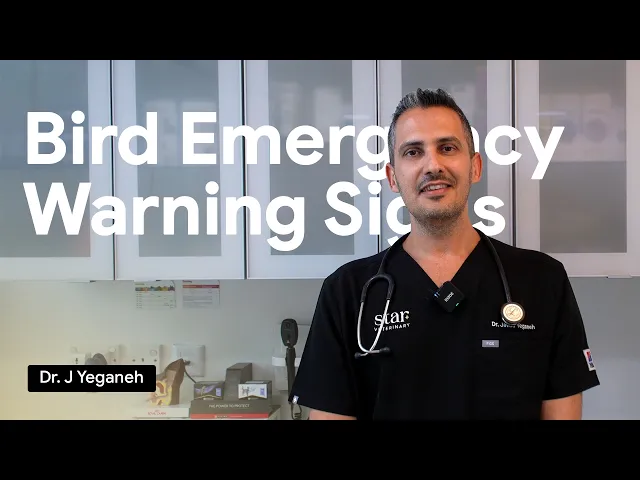
This video features Dr. J, one of our avian pet specialists, who practises at Star Veterinary Clinics, Sustainable City, our trusted partner clinic.

How can you tell if your bird is sick? | Star's Dr. J Explains

Noble Veterinary Clinics

How can you tell if your bird is sick?

This video features Dr. J, one of our avian pet specialists, who practises at Star Veterinary Clinics, Sustainable City, our trusted partner clinic.

How can you tell if your bird is sick? | Star's Dr. J Explains

Noble Veterinary Clinics

How can you tell if your bird is sick?

This video features Dr. J, one of our avian pet specialists, who practises at Star Veterinary Clinics, Sustainable City, our trusted partner clinic.

How can you tell if your bird is sick? | Star's Dr. J Explains

Noble Veterinary Clinics

WHAT WE OFFER

Care built around avian anatomy

Nutrition & behaviour consult

For feather plucking, aggression, or appetite loss

Illness & emergency care

Infections, weakness, and breathing issues

Parasite control

Testing and treatment for mites, lice, and internal parasites

Nutrition & behaviour consult

For feather plucking, aggression, or appetite loss

Illness & emergency care

Infections, weakness, and breathing issues

Parasite control

Testing and treatment for mites, lice, and internal parasites

Diagnostic testing

Crop swabs, faecal exams, bloodwork, and imaging

Minor surgical care or referrals

Support when a procedure is needed

Wellness & routine check-ups

Annual exams and health screening

Diagnostic testing

Crop swabs, faecal exams, bloodwork, and imaging

Minor surgical care or referrals

Support when a procedure is needed

Wellness & routine check-ups

Annual exams and health screening

From routine health checks to more involved diagnostics, every service here is shaped by what actually makes birds different to treat.

KNOW THE SIGNS

When should you take your bird to the vet?

Birds tend to mask symptoms well, so don't wait for something to "seem serious." Book a consultation if you notice:

Fluffed-up feathers for long periods

Sitting at the bottom of the cage

Loss of appetite or change in water intake

Unusual droppings or discharge

Vocalisation changes or weakness

Laboured breathing or tail bobbing

Getting help early makes a genuine difference, often the difference between a minor issue and one that's become life-threatening.

WHO WE SEE

Species we treat

Our avian vet is trained to care for a wide range of species, including:
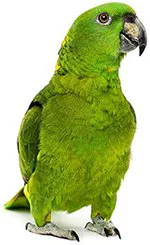
An image of a parrot.

Parrots

Parrots

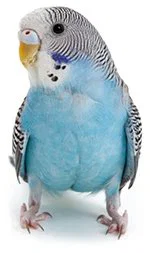
An image of a budgerigar.

Budgies & parakeets

Budgies & parakeets

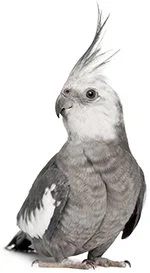
An image of a cockatiel.

Cockatiels

Cockatiels

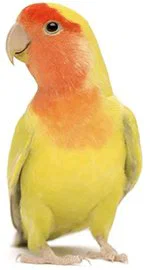
An image of a lovebird.

Lovebirds

Lovebirds

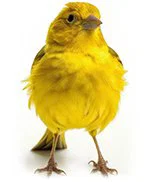
An image of a canary.

Canaries & finches

Canaries & finches

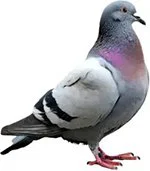
An image of a pigeon.

Doves & pigeons

Doves & pigeons

If you're unsure whether your bird can be treated, please don't hesitate to call. We're happy to advise. Reach us at +971 600 566 253.

OUR AVIAN VET

Dr. Javad Yeganeh

With over 13 years of treating pets, Dr. J brings hands-on experience with birds and other small companion animals, from routine care through to more complex diagnostics and treatment.

Trained and practised across clinics in Iran and the UAE

Years of shelter and rescue work, with thousands of charitable surgeries performed

Skilled soft tissue surgeon

Offers dentistry and preventive care alongside internal medicine
Dr. J Yeganeh of Noble Veterinary Clinics holding a rabbit.

Looking for care tailored to your bird's needs?

Have a chat with our avian team today.

Looking for care tailored to your bird's needs?

Have a chat with our avian team today.

Looking for care tailored to your bird's needs?

Have a chat with our avian team today.

Everything You Need to Know

Questions? We're here to help

How often should my bird see an avian vet?

At least once a year for most birds, though twice a year is often recommended, since birds are so good at masking illness that an extra checkup can catch something before it becomes obvious.

What should I bring on my visit?

Your bird in its usual cage, plus any medical history or supplements you have on hand. Complete records genuinely help us build the full picture, especially for a first visit.

Is it normal for my bird to change its behaviour with the seasons?

Some seasonal shifts are expected, such as moulting, mild changes in vocalisation, or shifts in appetite tied to daylight hours. A sudden, unexplained change outside of that pattern is what's actually worth booking a visit for.

Can two birds share the same cage during illness, or should they be separated?

Separate them if you suspect illness. Many avian conditions are contagious between birds, and isolation also reduces stress on the unwell bird while they recover.

Do you treat birds that aren't on your species list?

Often, yes. The species listed are the ones we see most regularly, but it's always worth a call, we're happy to advise on whether we can help with a species not listed there.

Everything You Need to Know

Questions? We're here to help

How often should my bird see an avian vet?

At least once a year for most birds, though twice a year is often recommended, since birds are so good at masking illness that an extra checkup can catch something before it becomes obvious.

What should I bring on my visit?

Your bird in its usual cage, plus any medical history or supplements you have on hand. Complete records genuinely help us build the full picture, especially for a first visit.

Is it normal for my bird to change its behaviour with the seasons?

Some seasonal shifts are expected, such as moulting, mild changes in vocalisation, or shifts in appetite tied to daylight hours. A sudden, unexplained change outside of that pattern is what's actually worth booking a visit for.

Can two birds share the same cage during illness, or should they be separated?

Separate them if you suspect illness. Many avian conditions are contagious between birds, and isolation also reduces stress on the unwell bird while they recover.

Do you treat birds that aren't on your species list?

Often, yes. The species listed are the ones we see most regularly, but it's always worth a call, we're happy to advise on whether we can help with a species not listed there.

Everything You Need to Know

Questions? We're here to help

How often should my bird see an avian vet?

At least once a year for most birds, though twice a year is often recommended, since birds are so good at masking illness that an extra checkup can catch something before it becomes obvious.

What should I bring on my visit?

Your bird in its usual cage, plus any medical history or supplements you have on hand. Complete records genuinely help us build the full picture, especially for a first visit.

Is it normal for my bird to change its behaviour with the seasons?

Some seasonal shifts are expected, such as moulting, mild changes in vocalisation, or shifts in appetite tied to daylight hours. A sudden, unexplained change outside of that pattern is what's actually worth booking a visit for.

Can two birds share the same cage during illness, or should they be separated?

Separate them if you suspect illness. Many avian conditions are contagious between birds, and isolation also reduces stress on the unwell bird while they recover.

Do you treat birds that aren't on your species list?

Often, yes. The species listed are the ones we see most regularly, but it's always worth a call, we're happy to advise on whether we can help with a species not listed there.

Everything You Need to Know

Questions? We're here to help

How often should my bird see an avian vet?

At least once a year for most birds, though twice a year is often recommended, since birds are so good at masking illness that an extra checkup can catch something before it becomes obvious.

What should I bring on my visit?

Your bird in its usual cage, plus any medical history or supplements you have on hand. Complete records genuinely help us build the full picture, especially for a first visit.

Is it normal for my bird to change its behaviour with the seasons?

Some seasonal shifts are expected, such as moulting, mild changes in vocalisation, or shifts in appetite tied to daylight hours. A sudden, unexplained change outside of that pattern is what's actually worth booking a visit for.

Can two birds share the same cage during illness, or should they be separated?

Separate them if you suspect illness. Many avian conditions are contagious between birds, and isolation also reduces stress on the unwell bird while they recover.

Do you treat birds that aren't on your species list?

Often, yes. The species listed are the ones we see most regularly, but it's always worth a call, we're happy to advise on whether we can help with a species not listed there.

Noble Vet Clinics logo