Can Dogs Eat Blueberries? Are They Good for Dogs?


Can Dogs Eat Blueberries? Are They Good for Dogs?

Can Dogs Eat Blueberries? Are They Good for Dogs?

Dr. Nenad Misura

Published Date

Published Date

10 minutes

10 minutes

Custom Icon
Custom Icon
Custom Icon

A dog’s diet ensures they grow and develop into strong adults with healthy bodies. This may consist of high-quality protein, vegetables, fruits, and specially formulated dog food. In some cases, this may include a couple of treats to give them something new and make them happier. 

A veterinarian is leaning toward a brown dog that's standing on a metal table.

One of these treats is blueberries. Dogs can eat blueberries, and it’s one of the most popular fruits given as treats. In this blog, we’ll talk about the main benefits and risks of blueberries, including the best ways to serve them. 

What Are the Benefits of Blueberries for Dogs?

Blueberries offer a lot of nutrients, antioxidants, fiber, and more. That’s why they’re a popular choice as a simple treat for dogs. Discover the many benefits of blueberries for dogs.

Rich in Nutrients

  • Vitamin A. This vitamin helps support a dog’s vision, skin and coat health, and immune system. It’s also an essential component in growth and development, maintaining muscle and nerve function. 

  • Vitamin C. Vitamin C is a crucial antioxidant for dogs, boosting immunity and reducing inflammation. It’s also a key component in promoting collagen production, which helps joint and bone health. Additionally, vitamin C promotes healthy skin and coat. 

  • Vitamin K. An essential vitamin for dogs that helps the liver produce coagulation proteins that allow blood clotting. Vitamin K is also helpful for bone, tissue, and cardiovascular health.

  • Manganese. Manganese supports a dog’s joint and cartilage health through the production of collagen and chondroitin sulfate. It’s also vital for metabolism, energy, wound healing, nerve function, and brain health. 

  • Calcium. This mineral is an important factor for bone health, muscle and heart function, nerve signalling, metabolic functions, and blood clotting.

  • Phosphorus. Phosphorus maintains strong bones and teeth. It also helps with energy production, cell function, and metabolism.

  • Potassium. An essential mineral for heart health, muscle function, nerve transmission, and nutrient absorption. 

High in Antioxidants

Blueberries have high levels of anthocyanins, which are antioxidants that protect your dog’s cells from damage. They also help reduce inflammation. 

Improves Digestion

The high fiber content of blueberries supports improved digestion by promoting bowel movements and preventing constipation. 

Helps With Joint and Muscle Recovery

Blueberries contain components, along with anthocyanins, that help protect the joints from damage and reduce inflammation. The fruit also reduces muscle stiffness and fatigue after activity. 

Low in Calories

These fruits are considered excellent treats because they provide all these benefits while still being low in calories. Because of this, this treat can help with weight management and is ideal for dogs trying to lose weight.

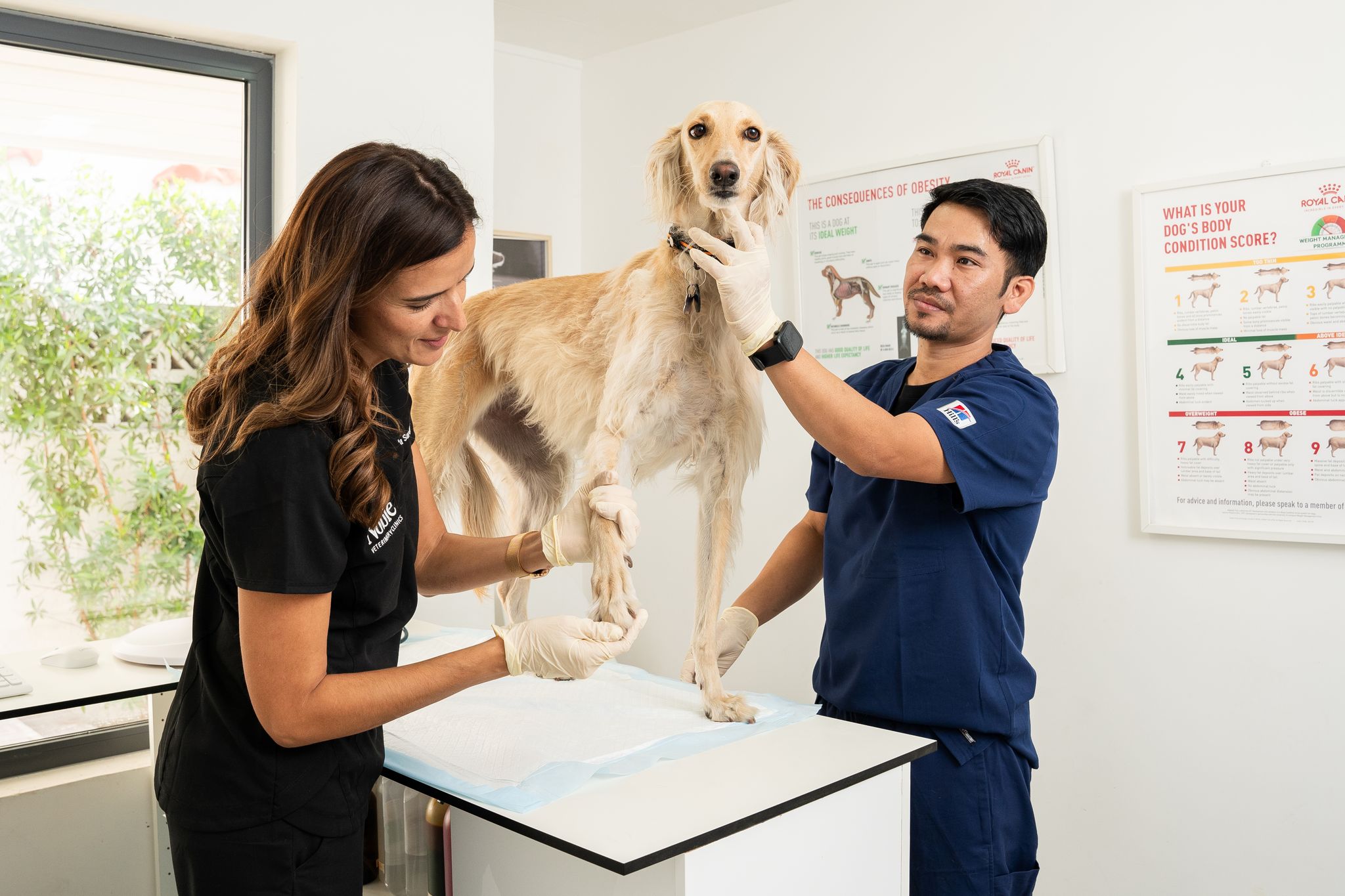
A veterinarian is holding a dog's face while another vet talks to a pet owner about blueberries for dogs.

Curious about your dog's nutrition?

Curious about your dog's nutrition?

Let our vets help.

Let our vets help.

What Are the Risks of Blueberries for Dogs?

Even if these fruits are highly beneficial, there are some risks to consider. 

Choking Hazard

Blueberries can be a choking hazard for smaller dogs and those who tend to gulp down their food. This can happen when a lot of pieces are given at a time. 

Overfeeding

Overfeeding blueberries can go unnoticed, especially since these fruits appear small and harmless. Too much can be bad for dogs and disrupt their normal diets, even if they’re low in calories. 

Digestive Issues and Allergies

The sugar and fiber content can cause diarrhea, vomiting, or stomach issues when too much is given. Some dogs may also be allergic to blueberries, but this case is rare. 

Pesticides

Pesticides that remain in blueberries can be poisonous for dogs. This can potentially lead to gastrointestinal distress and even severe neurological symptoms in rare cases. 

Processed Blueberries

Canned blueberries or those made into foods meant for humans are bad for dogs. They may contain additives such as artificial syrup, high amounts of sugar, and xylitol. Xylitol is highly toxic to dogs. 

Two veterinarians are checking a dog's physical condition.

How to Feed Blueberries to Dogs?

Since blueberries are safe for dogs, let’s talk about the proper ways to prepare them. 

  1. Wash the Berries

Blueberries are grown with pesticides and other chemicals to prevent pests, so it’s important to wash them properly at home. Use a colander for the fruit, and let the water pour in while manually rubbing each piece. 

  1. Feed in Correct Portions

Controlling the number of pieces helps you avoid overfeeding. Here’s a quick guide:

Size of Dog

Number of Blueberries

Small (Less than 10 kg)

2-3 pieces

Medium (11 to 25 kg)

3-5 pieces

Large (26 to 45 kg)

6-7 pieces

Giant (More than 45 kg)

8-10 pieces

  1. Give Slowly

Giving blueberries slowly allows you to control the pace. Some dogs can instantly gulp down their food, so just give one piece at a time to avoid any problems. 

  1. Be Creative

When giving your dog some blueberries, think of ways to make it fun. You can give it frozen or mashed, or you can serve it as a meal topper. You can even combine blueberries with other fruits, such as bananas, for a smoothie. 

"A dog’s health starts with what’s in their bowl. Nourishing them with the food they deserve is part of our job's as their caretakers."

- Dr. Nenad Misura

Final Thoughts

While blueberries can be a healthy and delicious treat for your dog, it’s essential to be aware of the potential risks. The way to go is to prepare them correctly and serve in moderation. When done right, blueberries can be a healthy addition to your dog’s treats. 

Share

Custom Icon
Custom Icon
Custom Icon

Subscribe to Our Newsletter

Sign up for weekly pet health tips and insights from our veterinarians.

Sign up for weekly pet health tips and insights from our veterinarians.

Wellness & Emergency Care

Book Appointment

Worried about your pet?

We’re here for urgent care, wellness checks, or anything in between. 

Get the best Vet care for your pet

© 2006-2026 Noble Veterinary Clinics

Your veterinary practice, always here

© 2006-2026 Noble Veterinary Clinics

© 2006-2026 Noble Veterinary Clinics