Can You Vaccinate an FIV-Positive Cat?


Can You Vaccinate an FIV-Positive Cat?

Can You Vaccinate an FIV-Positive Cat?

Dr. Soheyl Simaei

Published Date

Published Date

7 minutes

7 minutes

Custom Icon
Custom Icon
Custom Icon

In short, yes. You can vaccinate a cat infected with FIV, but there are some caveats. 
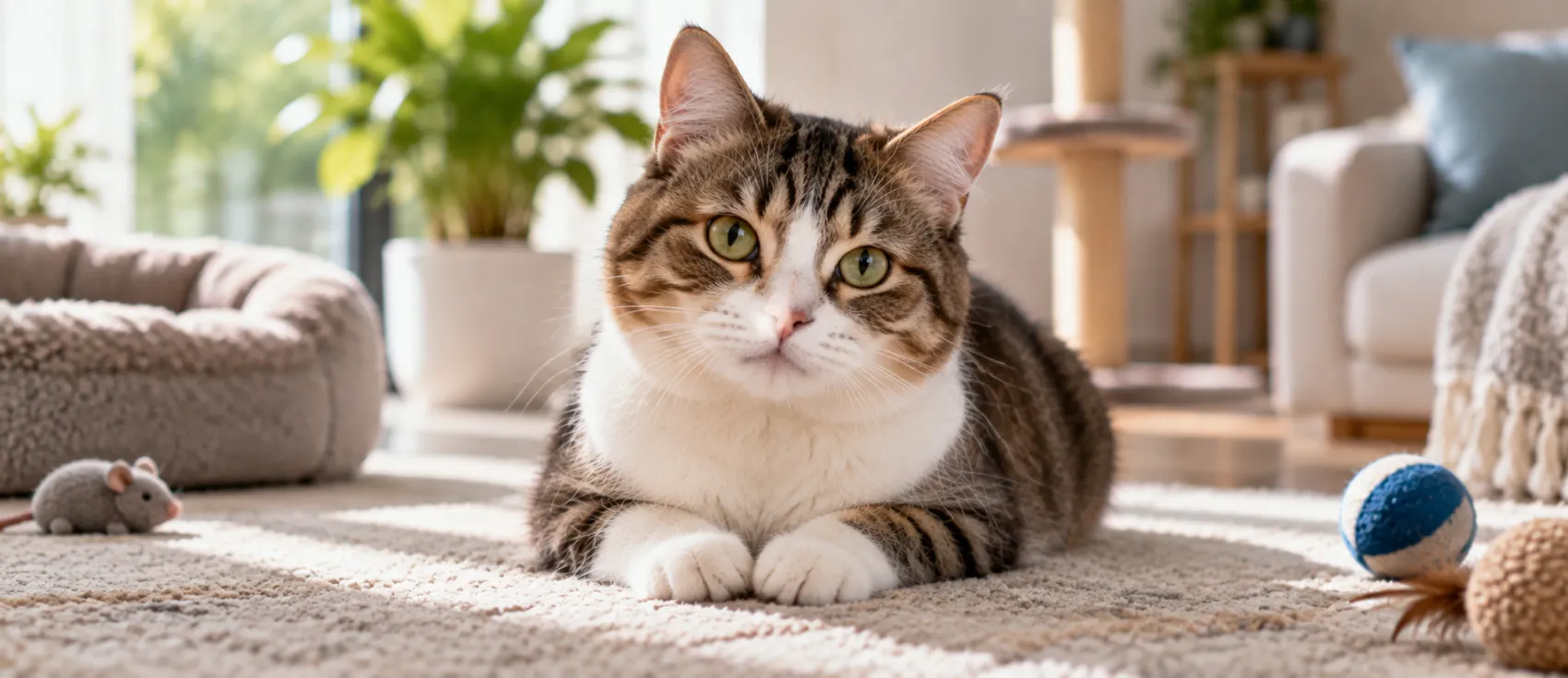
A veterinarian is examining an FIV-positive cat in the clinic for treatment and vaccination.

Cats with FIV have a significantly weakened immune system. This means that even if vaccines are helpful to protect them from various diseases, they must be used carefully and strategically. The goal is to protect your cat without unnecessarily stressing the immune system. 

In some cases, the vaccines might even be less effective. But first, let’s talk about what FIV really is. 
Key Takeaways

FIV-positive cats should be vaccinated with core vaccinations, but only through inactive variants. 

Health status, age, risk level, and vaccine type are factors considered when vaccinating cats with FIV. 

Vaccines provide significant protection, offer reduced disease severity, and comply with pet ownership laws.

What Is FIV in Cats?

Feline immunodeficiency virus is a deadly virus that compromises a cat’s immune system, making them vulnerable to several infections and diseases. The pathogen mainly targets white blood cells, which are the main components of a cat’s defense.

FIV generally spreads through deep bite wounds from catfights, and many infected cats don’t show symptoms. However, those who show signs may exhibit:

  • Recurring infections

  • Loss of appetite and weight

  • Fever

  • Enlargement of lymph nodes

  • Lethargy

In severe cases, affected cats may experience symptoms such as:

  • Severe muscle wasting

  • Chronic diarrhea and vomiting

  • Mouth ulcers, gingivitis, and tooth loss

  • Seizures, tremors, and behavioral shifts

  • Cancer

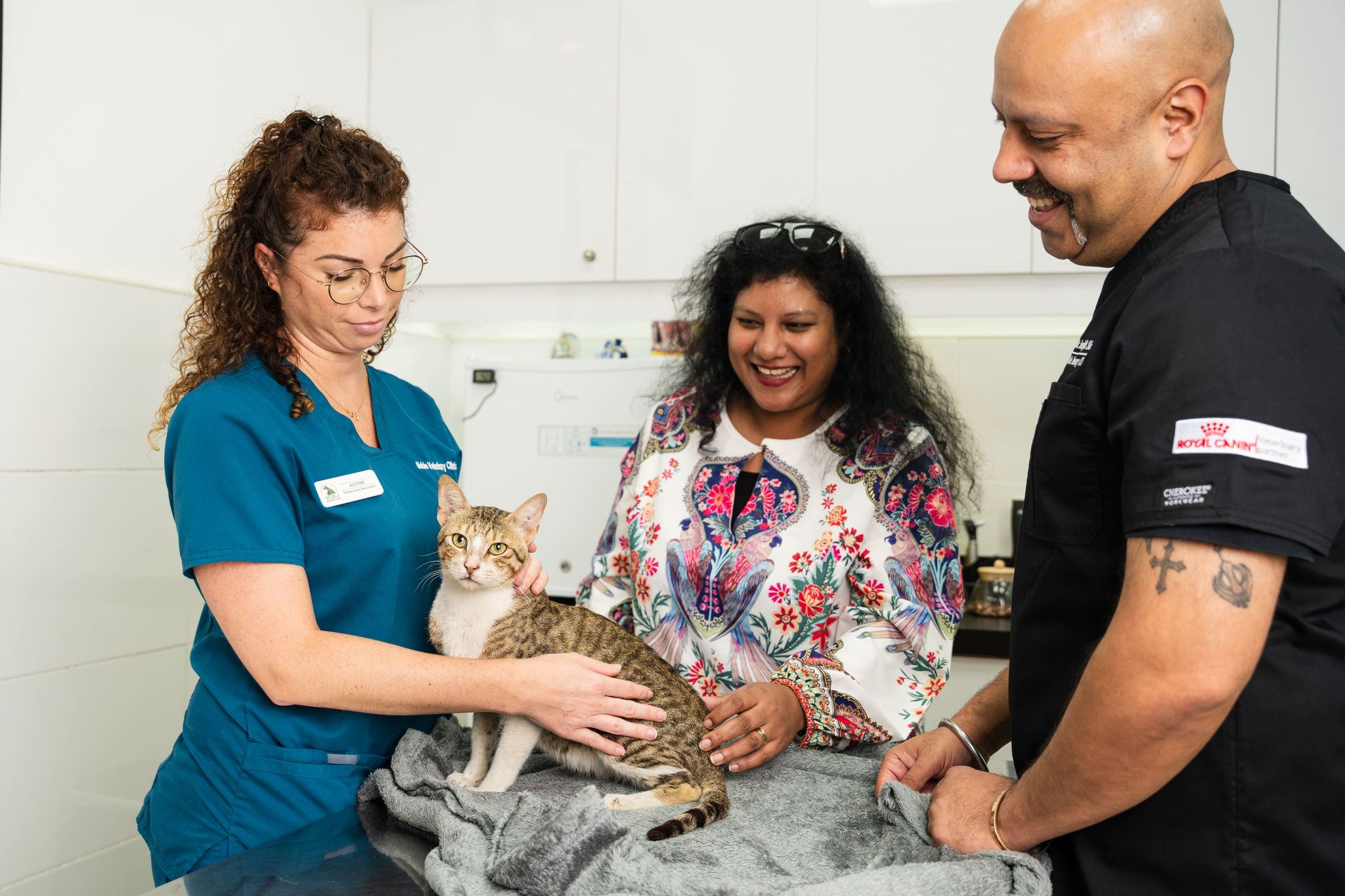
Two veterinarians are keeping an FIV-positive cat comfortable inside the vet clinic.

What Do Vets Consider When Vaccinating FIV-Positive Cats?

When it comes to cats with FIV, we take the extra steps to ensure they can safely receive their core vaccinations

Individual Risk Assessment

One of the first things we’ll consider is the cat’s lifestyle. Indoor-only cats with no exposure to other cats and carriers may not urgently require boosters, while those staying outdoors do because of the risk level.

Health Status and Age

The cat’s health will also be taken into account. Vaccination should be done only if the cat is asymptomatic or healthy. Cats with severe symptoms shouldn’t be vaccinated, as the vaccines might be ineffective or may even cause stress. 

This means that if the cat is showing signs, we’ll wait until they recover before administering the vaccines. 

Age is also a factor we consider. Kittens, adults, and seniors have different responses to the vaccines. This helps us determine the timing and frequency of the doses. 

Type of Vaccine

We recommend inactivated vaccines rather than modified-live virus vaccines for FIV-positive cats. This is because they are safer and cannot cause disease, unlike the MLVs, which can. 

Along with this, we make sure to avoid excessive vaccination. Too much unnecessary stimulation of the immune system could be counterproductive. 

Local Laws and Requirements

In line with the UAE’s regulations for pet safety, rabies and core vaccinations are required, even for FIV-positive cats. 

Need help with your cat's health and care?

Need help with your cat's health and care?

Let our vets assist.

Let our vets assist.

What Are the Benefits of Vaccinating an FIV-Positive Cat?

Vaccination still proves to be an effective protective component for FIV-positive cats. Here are the benefits our veterinarians relay during the visit:

Protects Against Major Diseases

Vaccines help defend FIV-positive cats against serious and fatal diseases such as rabies and parvovirus. These diseases can quickly escalate to severe complications when left unmanaged. 

Reduces Risk of Secondary Infections

FIV-positive cats are more vulnerable to even the simplest of infections due to their compromised immune systems. Vaccination significantly lowers the chance of catching these diseases before they worsen. 

Lowers the Severity of Diseases

Even if a vaccinated cat still gets infected, it significantly reduces the severity of the disease. This is especially important for FIV-positive cats. 

Protects Cats in High-Risk Areas

Cats that live outdoors or with other cats in a shared space may have a higher risk of exposure. Vaccines help reduce the spread of contagious diseases, promoting good health and wellness for all cats involved. 

Complies With Legal and Travel Requirements

Having your cat vaccinated is crucial for the UAE’s regulations and travel. Many countries require up-to-date vaccinations for cats to be accepted without delays or entry bans. 

Two veterinarians are talking to a pet owner about preventing FIV in her cat.

Which Vaccines Are Recommended for FIV-Positive Cats?

Our vets focus on the core vaccines cats require, with additional types to be added if needed. 

Core Vaccines

  • Rabies. Anti-rabies vaccination is required by law in many countries, including the UAE. This protects against a fatal disease that can even spread to humans. Most healthy, stable FIV-positive cats can safely receive this. 

  • FVRCP. A combination vaccine that protects against feline viral rhinotracheitis, feline calicivirus, and feline panleukopenia. 

Non-Core Vaccines

  • FeLV. This vaccine is recommended for cats at high risk of infection, which includes cats living in multi-cat homes and spaces. 

  • Bordetella. Another lifestyle vaccine that’s recommended if your cat frequents boarding facilities, grooming salons, and daycares. 

Is There a Vaccine for FIV?

While there is a vaccine for feline immunodeficiency virus, its availability and effectiveness are both limited. It’s not considered a core vaccine because it often fails to protect against all FIV subtypes. In some cases, the vaccine may even cause vaccinated cats to test positive for the disease. 

“All cats deserve care and protection, no matter the situation.”

- Dr. Soheyl Simaei

Final Thoughts

Vaccinating an FIV-positive cat is possible, but it’s highly situational. Healthy and asymptomatic cats can be vaccinated, but only with inactive vaccines. High-risk cats should always be considered to protect their health.

Frequently Asked Questions

Can the FIV vaccine help FIV-positive cats?

Cats with FIV shouldn’t receive the FIV vaccine, as it’s ineffective for infected cats and may cause false positives. Instead, they should receive regular monitoring, supportive care, and core vaccinations.

Can the FIV vaccine help FIV-positive cats?

Cats with FIV shouldn’t receive the FIV vaccine, as it’s ineffective for infected cats and may cause false positives. Instead, they should receive regular monitoring, supportive care, and core vaccinations.

What are the side effects?

Common side effects include lethargy, reduced appetite, mild fever, and swelling on the injection site. These usually subside after 1-2 days.

What are the side effects?

Common side effects include lethargy, reduced appetite, mild fever, and swelling on the injection site. These usually subside after 1-2 days.

Can kittens with FIV be vaccinated safely?

Yes, they can be vaccinated, but with extra precautions. Deactivated vaccines are strongly recommended, and non-core vaccines should be limited in the meantime.

Can kittens with FIV be vaccinated safely?

Yes, they can be vaccinated, but with extra precautions. Deactivated vaccines are strongly recommended, and non-core vaccines should be limited in the meantime.

Do these cats require more frequent boosters?

FIV-positive cats don’t require more frequent boosters compared to other cats, but they do need stricter and more consistent adherence to their vaccination schedule. They also need more frequent checkups.

Do these cats require more frequent boosters?

FIV-positive cats don’t require more frequent boosters compared to other cats, but they do need stricter and more consistent adherence to their vaccination schedule. They also need more frequent checkups.

Should fully indoor cats skip vaccinations?

No. While the risk is significantly lower, vaccines are required for protection against unexpected escapes, boarding, or vet visits. Plus, they are required by law.

Should fully indoor cats skip vaccinations?

No. While the risk is significantly lower, vaccines are required for protection against unexpected escapes, boarding, or vet visits. Plus, they are required by law.

Share

Share

Custom Icon
Custom Icon
Custom Icon

Subscribe to Our Newsletter

Sign up for weekly pet health tips and insights from our veterinarians.

Sign up for weekly pet health tips and insights from our veterinarians.

Wellness & Emergency Care

Book Appointment

Worried about your pet?

We’re here for urgent care, wellness checks, or anything in between. 
Get the best Vet care for your pet

We’re Hiring! Let’s transform the future of veterinary care together.

We’re Hiring! Let’s transform the future of veterinary care together.

We’re Hiring! Let’s transform the future of veterinary care together.

We’re Hiring!

© 2006-2026 Noble Veterinary Clinics

Noble Vet Clinics logo
Your veterinary practice, always here
Instagram icon
Facebook icon
LinkedIn icon
TikTok icon

© 2006-2026 Noble Veterinary Clinics

Noble Vet Clinics logo

Policies

Contact Us

DIP - 8am to 9pm
JLT - 10am to 7pm

Jumeirah -

Mon-Fri: 8am to 8pm

Sat-Sun: 9am to 6pm

© 2006-2026 Noble Veterinary Clinics