FIV in Cats: A Guide on Transmission, Signs, and Prevention


FIV in Cats: A Guide on Transmission, Signs, and Prevention

FIV in Cats: A Guide on Transmission, Signs, and Prevention

Dr. Soheyl Simaei

Published Date

Published Date

Custom Icon
Custom Icon
Custom Icon

Feline immunodeficiency virus affects cats of all ages. The virus is a danger to cats everywhere, lowering their defenses and harming their overall health. 
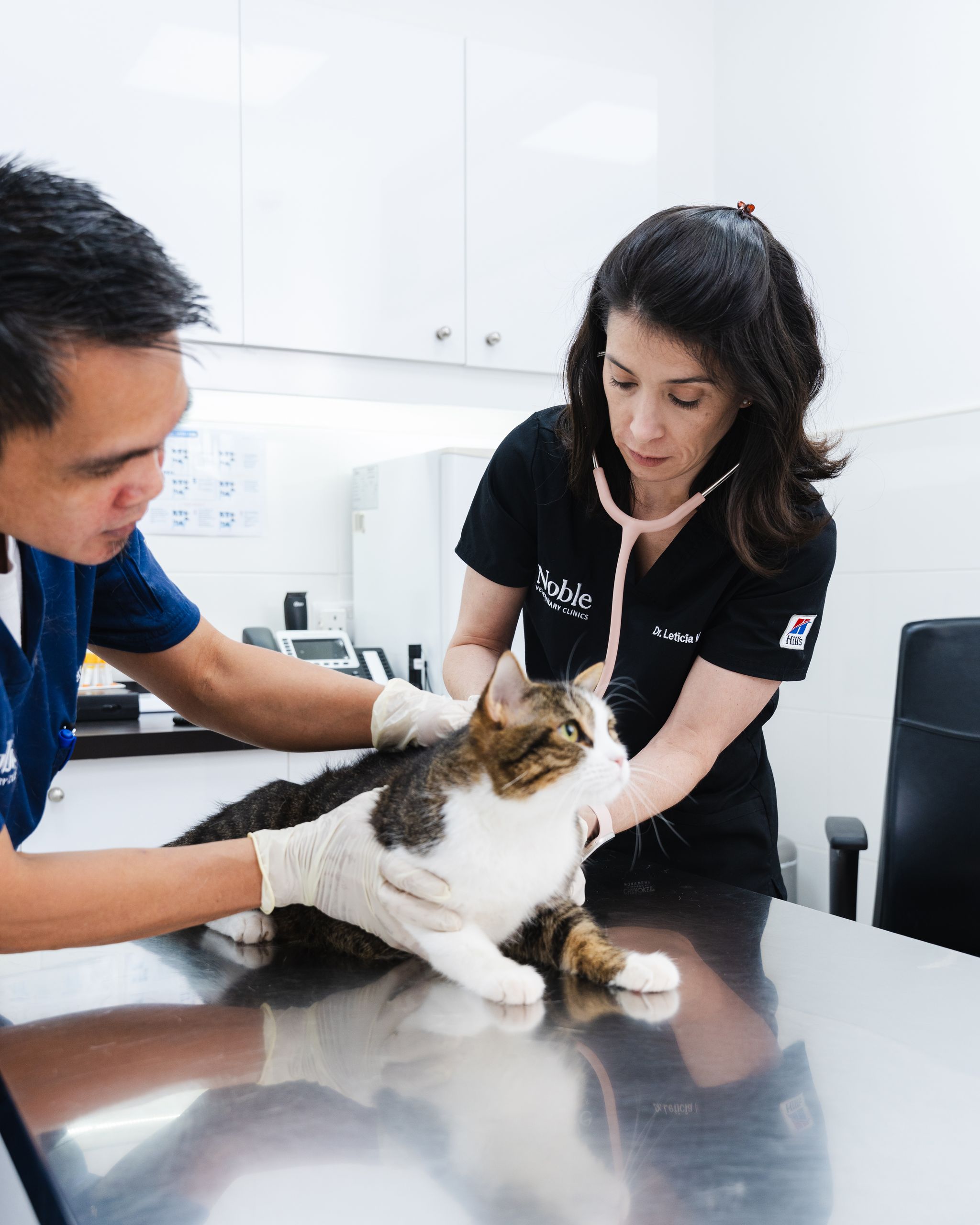
Two veterinarians are holding a cat on a metal table and checking its condition.

The virus is highly serious and contagious, which means prevention is key to protecting our cats. In this guide, we’re going to talk all about feline immunodeficiency virus in cats, from what it is to how to manage it. 

What Is FIV?

Feline immunodeficiency virus (FIV) is a retrovirus that affects the immune system of cats. It’s similar to how HIV works in humans, but FIV is species-specific. This means it only affects cats and can’t spread to humans, dogs, or other animals.

The virus invades their white blood cells, which are crucial for fighting off infections. Over time, the immune system becomes weaker, making the cat vulnerable to secondary infections and illnesses. 

While this doesn’t mean that cats with FIV are always sick, it simply means they require extra care to maintain their health.

How Does FIV in Cats Spread?

The virus spreads mainly through bite wounds, as the virus is highly concentrated in the cat’s saliva. This usually happens when infected cats fight other cats, as the saliva with the virus will be introduced into the other cat’s bloodstream. 

In some cases, FIV can also spread from mother to kittens during pregnancy or nursing. They can also be transmitted through blood transfusions, but this is rare due to donor screenings. 

What Are the Stages of an FIV Infection in Cats?

FIV progresses in three stages, each with its own set of symptoms. These stages are the acute phase, the asymptomatic phase, and the progressive immune dysfunction phase. Here are the stages of an FIV infection.

Stage 1: Acute Phase

The acute phase of FIV in cats occurs within 1 to 3 months after infection. This is when the virus starts to spread to the lymph nodes. During this phase, the immune system will attempt to fight off the virus and respond, resulting in mild or temporary symptoms. 

Some cats recover quickly and appear healthy again as the virus transitions to the next stage. Here are the common symptoms in the acute phase of FIV:

  • Fever. A low-grade fever is often one of the first signs, though it may go unnoticed. You may notice a slight increase in your cat’s temperature when touched. 

  • Swollen Lymph Nodes. Enlarged lymph nodes, which may feel like small lumps under the jaw or in the groin, are key indicators of the immune system fighting off an infection. 

  • Lethargy. Cats may seem less energetic or prefer to sleep more than usual. They might choose to lie down even after being provided with the toys and attention they usually like. 

  • Loss of Appetite. Your cat may also have a reduced appetite, even when given their favorite treats and foods. Persistent cases often lead to weight loss. 

  • Minor Infections. Cats may develop mild infections, with symptoms such as sneezing or skin irritation. This is a sign that the virus has started to suppress your cat’s immune system. 

Stage 2: Asymptomatic Phase

The asymptomatic phase, also called the latent stage, is the longest phase of an FIV infection. It can last anywhere from several months to a few years. 

During this time, the FIV lies dormant in the cat’s body and replicates at a slower rate. In most cases, there will be no visible symptoms during this stage. Cats may appear completely healthy. 

In this stage, the virus slowly destroys the cat’s white blood cells, weakening the immune system over time. FIV-positive cats may still transmit the virus to other cats, even if they don’t show any physical signs. This phase can also last for several months or years.
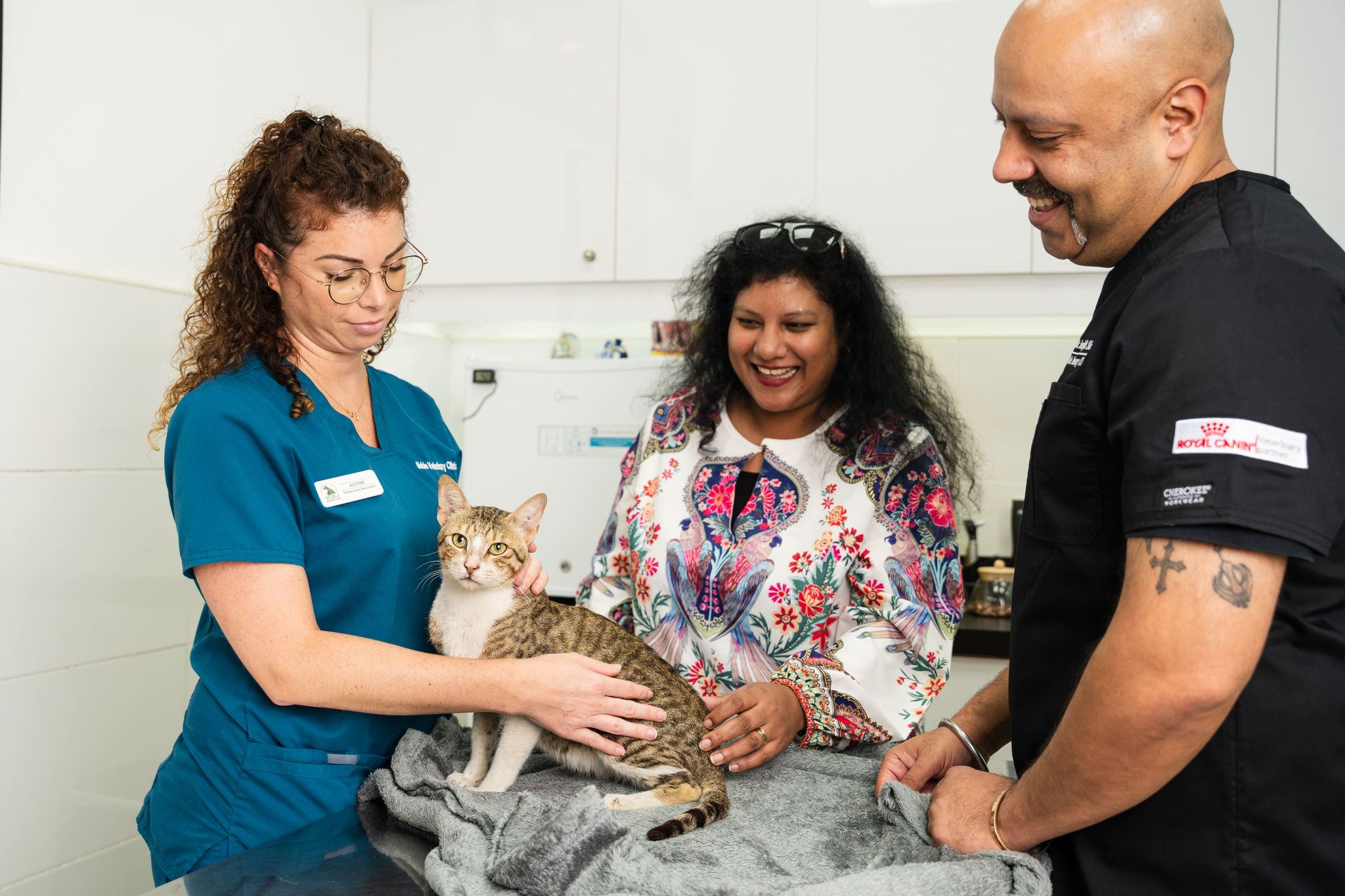
Two veterinarians are talking to a pet owner about preventing FIV in her cat.

Stage 3: Progressive Phase

In the final stage, the cat’s immune system becomes immensely suppressed and weakened. Their CD4+ T lymphocytes are significantly depleted. As a result, cats with FIV start to develop symptoms related to other chronic, recurring infections and other opportunistic health issues. 

Here are the symptoms of the progressive phase:

  • Chronic Infections. Respiratory, skin, and urinary tract infections can present with differentiating symptoms. These conditions can cause coughing, sores, and pain.

  • Weight Loss and Wasting Syndrome. Cats may lose weight even when they eat normally. This can be seen in a loss of muscle mass as well as a poor coat condition.

  • Gastrointestinal Issues. Chronic diarrhea and vomiting are common signs in the advanced stages of FIV. 

  • Oral and Dental Issues. Mouth ulcers, tooth loss, and gingivitis in cats can all cause inflammation of the gums and mouth. This results in severe discomfort for cats. 

  • Neurological Symptoms. Seizures, tremors, behavioral changes, increased vocalization, and difficulty walking are some of the neurological symptoms associated with advanced FIV in cats.

Want to know more about your cat's health?

Want to know more about your cat's health?

Learn more from our experts today.

Learn more from our experts today.

How Do Vets Diagnose FIV in Cats?

Specialized tests will be used to diagnose FIV in your cat. These tests focus on identifying antibodies or genetic material specific to the virus. 

ELISA Test

The ELISA (Enzyme-Linked Immunosorbent Assay) test is the most common and widely used method for screening cats for FIV. This test works by detecting antibodies in the blood that are produced when a cat’s immune system responds to the virus. 

Our vets collect a small sample and analyze it at our in-house laboratory using a test kit. When FIV antibodies in the blood bind to the antigens, the cat is infected. An enzyme-linked antibody is then added to catalyze a color change. A clear color shift indicates the presence of the FIV antibodies. 

In just 10-15 minutes, we can determine if the virus is present. 

Western Blot Test

After the ELISA test, we'll proceed to a Western blot test. This test is a more specific method for detecting FIV antibodies. A blood sample will be studied at a specialized laboratory to conduct the test. 

This test works by detecting specific antibodies associated with FIV, which can reduce the risk of false positives. The Western blot test is more accurate, but comes at a higher cost and longer wait time for the results. 

PCR Test

The PCR test takes a different approach to diagnosing FIV in cats. Rather than checking for antibodies, the test detects FIV genetic material. PCR is capable of detecting infections earlier than antibody-based tests. This is because it focuses on the virus rather than on the immune response.

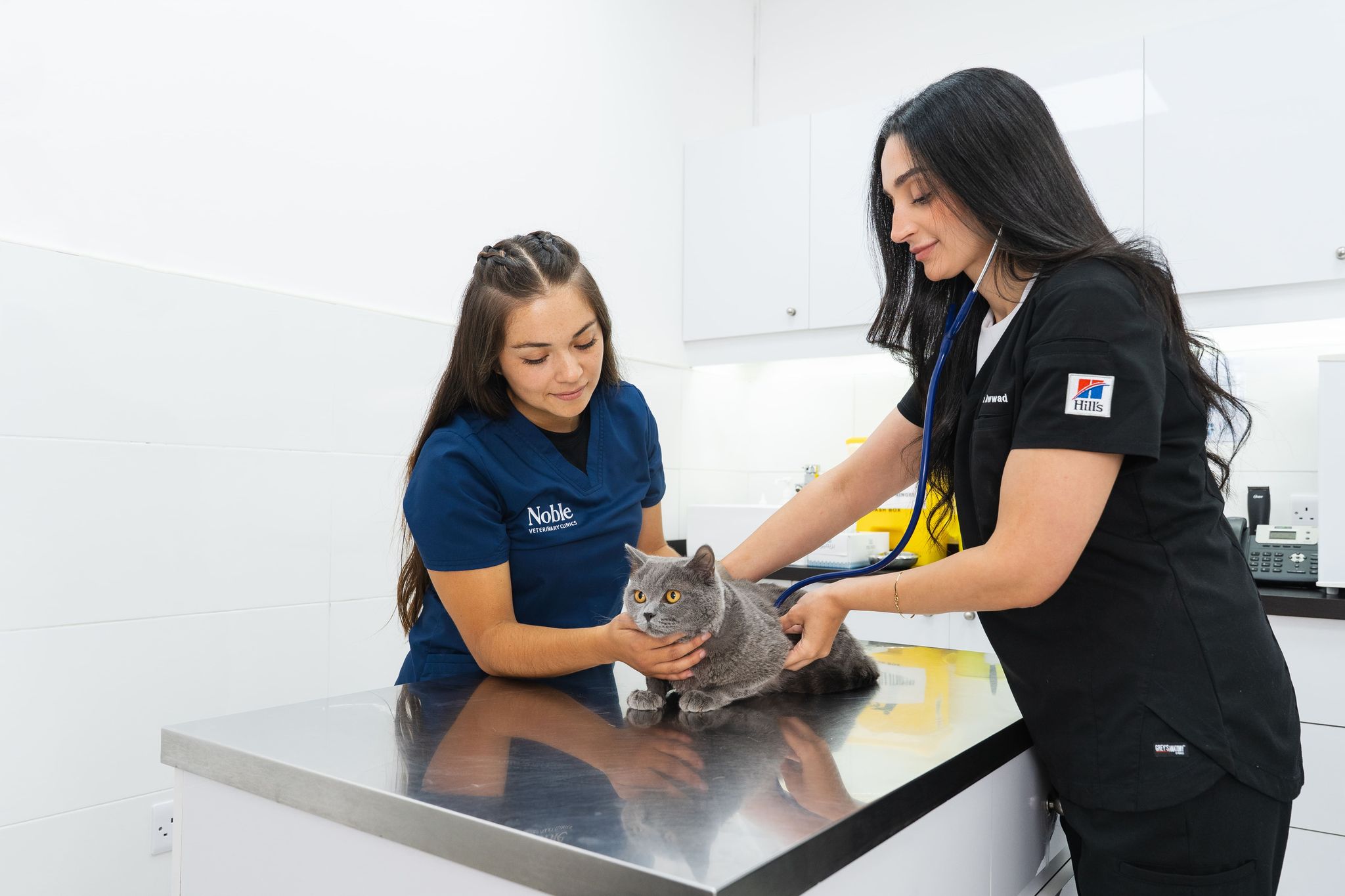
Two veterinarians are preparing to diagnose a cat with FIV.

Can FIV Be Cured?

While FIV in cats cannot be cured, the treatment process will focus on managing the condition. We’ll also work on preventing secondary infections.

  • Antibiotics and Antifungal Medications. These are used to treat common infections such as respiratory illnesses, urinary tract infections, and skin conditions.

  • Antiviral Drugs. Medications such as Zidovudine can also be prescribed. However, these are only reserved for specific cases due to the side effects the drug presents. 

  • Pain Relief and Anti-Inflammatories. Cats with dental disease, gingivitis, or mouth ulcers may need pain management to eat comfortably.

  • Supportive Care. A high-quality, well-balanced diet for cats is essential to support the immune system and overall well-being. Regular checkups every 6 months and parasite control are also crucial. 

FIV-positive cats are more susceptible to recurring infections. So, be sure to watch for early signs of illness, such as lethargy, low appetite, or changes in behavior. Consult with us if you need any help.

Recovery and Prevention: How to Protect Your Cat Against FIV?

To help improve your cat’s life, a couple of lifestyle adjustments will make all the difference.

  1. Keep Your Cat Indoors

If your cat has FIV, staying indoors reduces their exposure to other infectious agents. This also significantly avoids any chances of your cat fighting with other potentially infected cats. 

  1. Clean and Safe Home

Maintain a clean home, including food and water bowls, litter boxes, and bedding. Be sure to provide enrichment from toys, scratching posts, and cozy resting areas that keep cats mentally and physically stimulated.

  1. Minimize Stress

Cats with FIV are more susceptible to illness when stressed. A calm, stable environment with predictable routines is key to their health.

  1. Regular Checkups

Wellness exams are essential for monitoring your cat’s FIV condition. Tests such as a complete blood count, urinalysis, and a serum biochemical analysis will be included.

  1. Balanced Nutrition

Providing a nutritious meal helps keep your cat’s immune system strong, preventing any avoidable secondary infections. This means that raw diets should be avoided at all costs. 

  1. Have Your Cat Spayed

We recommend having your cat spayed, as this significantly reduces the urge for cats to roam and fight. In turn, this lowers the likelihood of exposure to FIV and other serious diseases from infected cats.

“Our cats rely on us for love and protection. Showing how much we care starts with how we keep them safe.”

- Dr. Soheyl Simaei

Final Thoughts on FIV in Cats

Feline immunodeficiency virus can be challenging to manage. The virus attacks our cats’ immune systems and makes them vulnerable to other infections and diseases. What’s more, the condition cannot be cured. 

This makes it crucial to prevent this disease and protect our cats from it. By simply keeping your cat home safe, you can significantly reduce the risk. All these make a huge difference in improving your cat’s health and happiness. 

Frequently Asked Questions

What happens if a cat has FIV?

If a cat has FIV, its immune system gradually gets weaker and weaker. This makes it more vulnerable to secondary infections, dental disease, and other health issues that cats with healthy immune systems normally fight off.

How long does a cat live when infected by the virus?

Cats with FIV can live for several years, often with a normal life expectancy. While it’s incurable, many cats remain healthy for years, especially with the right management and care.

How do I know if my cat has FIV?

The only definitive way is through diagnostic tests. However, some of the common signs include frequent infections, weight loss, oral health problems, and swollen lymph nodes.

Should an infected cat get vaccinated?

Yes, even cats with FIV should be vaccinated to protect them from other illnesses. While there’s no vaccine for FIV, there are core vaccines that help protect your cat overall.

Can a cat with FIV live with other cats?

Yes, an FIV-positive cat can live with other cats as long as they do not fight. FIV is mainly spread through deep bite wounds. As long as these cats don't fight, everything should be okay.

Share

Custom Icon
Custom Icon
Custom Icon

Subscribe to Our Newsletter

Sign up for weekly pet health tips and insights from our veterinarians.

Sign up for weekly pet health tips and insights from our veterinarians.

Wellness & Emergency Care

Book Appointment

Worried about your pet?

We’re here for urgent care, wellness checks, or anything in between. 

Get the best Vet care for your pet

© 2006-2026 Noble Veterinary Clinics

Your veterinary practice, always here

© 2006-2026 Noble Veterinary Clinics

© 2006-2026 Noble Veterinary Clinics