Cat Diarrhea: What It Means, What Causes It, and How to Help

Cat Diarrhea: What It Means, What Causes It, and How to Help

Cat Diarrhea: What It Means, What Causes It, and How to Help

Dr. Rokas Proscevicius

Published Date

Published Date

10 minutes

10 minutes

Custom Icon
Custom Icon
Custom Icon

Cleaning your cat’s litter box every day is one of your responsibilities as a cat owner. This allows you to clean your cat’s safe spaces and keep them comfortable. However, it can also be a way to check for any health problems. 
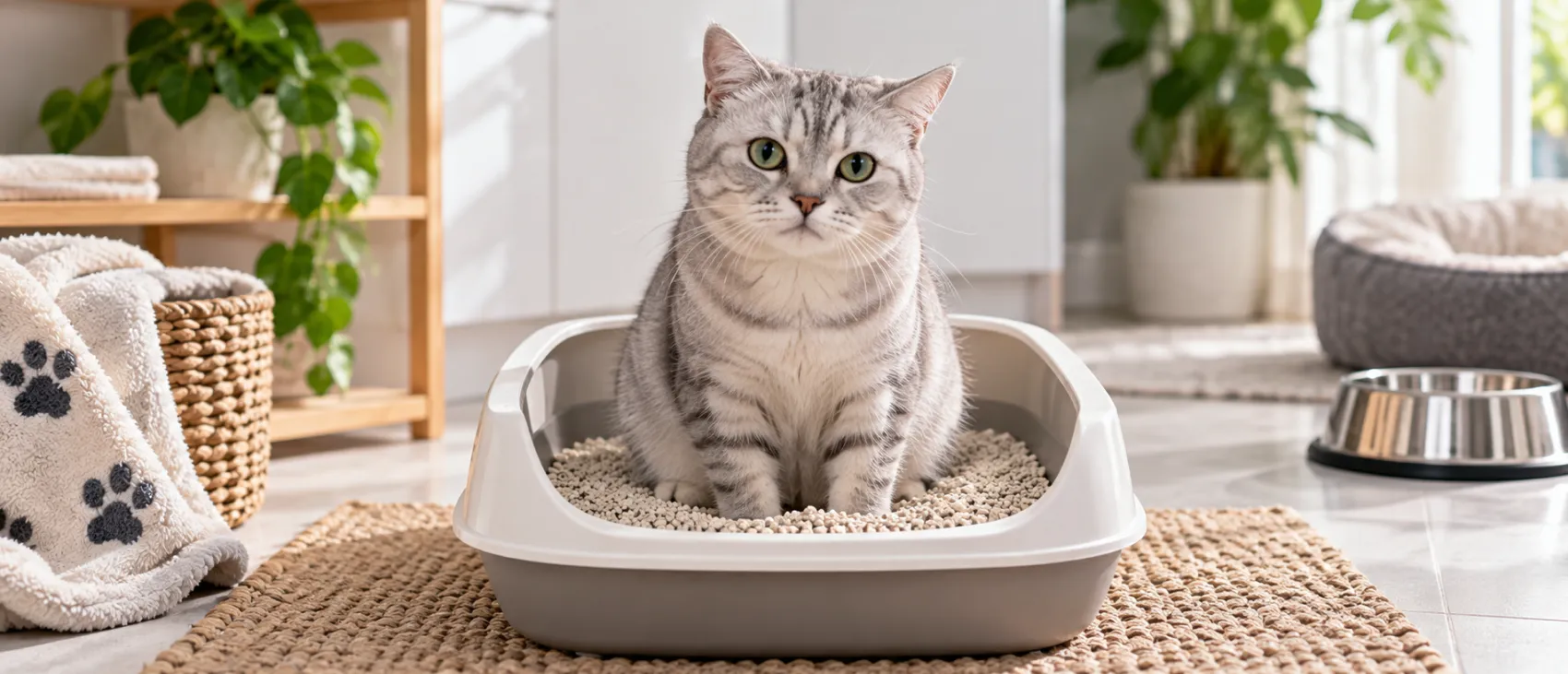
A pet owner is sitting down with her cat on her lap inside the vet clinic.

Your cat’s stool tells you so much about their current health. Normally, stool is solid, neither too hard nor too soft. If this appears different for a long time, then it raises a concern we must look into. 

One concern is diarrhea, a symptom that is often overlooked but can signal a much deeper issue. 

Key Takeaways

Your cat’s stool color can indicate serious conditions. Brown is healthy, while black, yellow, green, white, and red should be given attention.

Cat diarrhea is often caused by dietary issues, infections, parasites, toxins, stress and anxiety, and chronic diseases.

Treatment will consist of specific methods tailored to the underlying issue, which may include dietary changes, medical management, and lifestyle adjustments.

What Is Diarrhea in Cats?

Feline diarrhea is the frequent passage of loose and watery stool, which is different from normal stool. It can happen suddenly or for a long period of time. Acute cases last about two weeks while chronic cases take longer. 

Diarrhea is a symptom of many different health issues, which means that it’s often accompanied by other related symptoms.

How to Tell if Your Cat Has Diarrhea?

If your cat has diarrhea, then there will be signs. Here are the common indicators:

Change in Stool Appearance

The first sign of cat diarrhea is a change in stool appearance. A healthy cat will have a firm, brown stool. It should be firm enough to hold shape but not too hard or dry. 

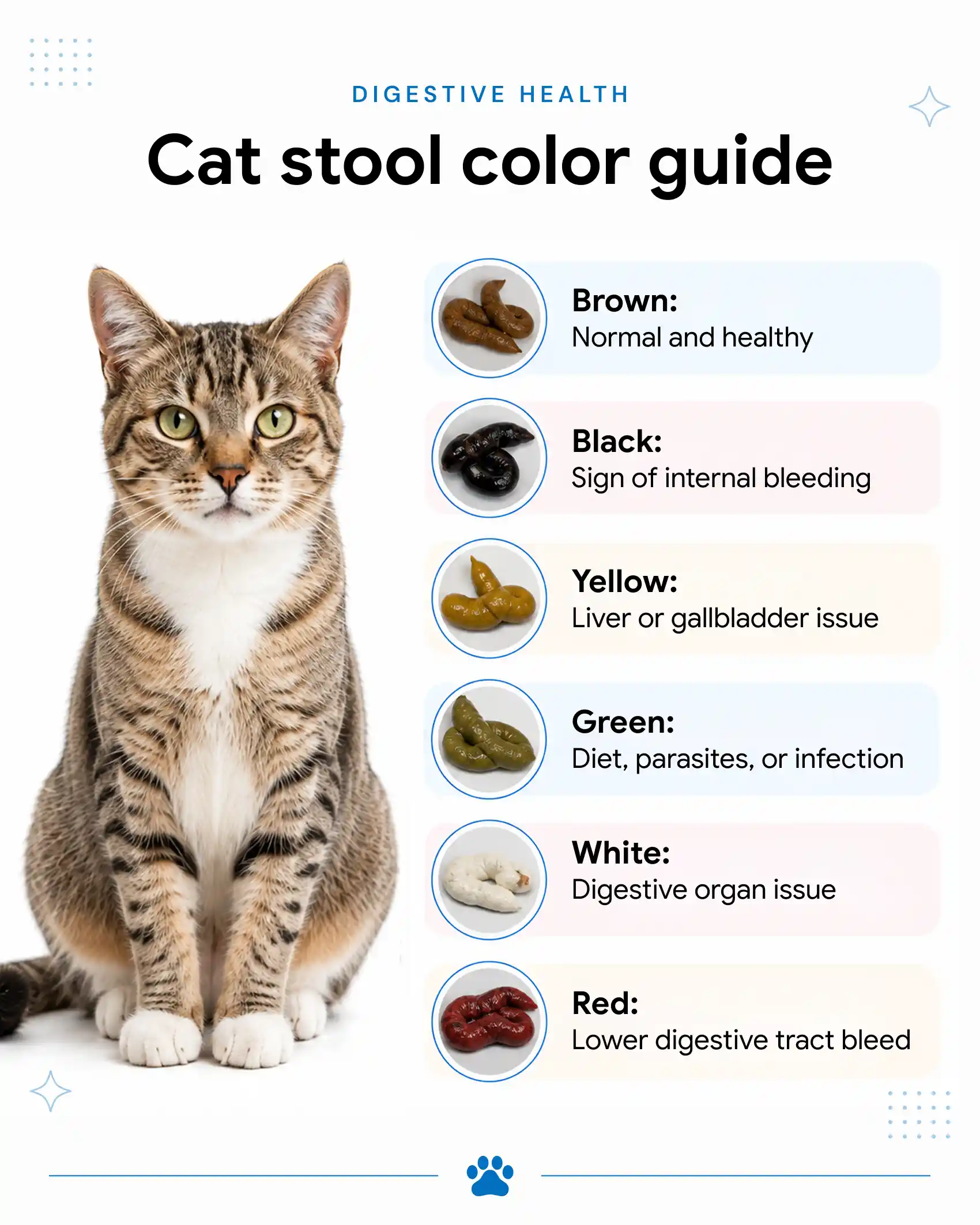
When your cat’s stool becomes watery or loose, it’s a sign of diarrhea. The color of your cat’s stool also says a lot. Here’s a closer look.

  • Brown. This is a healthy and normal color for cat stool. 

  • Black. It can be a sign of bleeding in the digestive tract.

  • Yellow. Yellow diarrhea in cats often indicates a problem with the liver, gallbladder, or a specific infection. 

  • Green. Similarly, green diarrhea can indicate liver or gallbladder issues, infections, parasites, and dietary changes. It can also happen when cats eat grass. 

  • White. This is an unnatural stool color and could indicate bile duct obstruction and liver dysfunction. 

  • Red. Red diarrhea is caused by internal bleeding, usually within the digestive tract. 
Increased Bowel Movements

If you notice your cat taking too many trips to the litter box, it could be another sign of diarrhea. A healthy cat will defecate once or twice a day. When it becomes more than that, it could be a sign of dietary issues or a concerning health issue. 

Accidents Outside the Litter Box

Even well-trained cats can fall victim to diarrhea, and accidents outside of a litter box can happen while they’re dealing with this issue. So, if you notice wet stool around the house, even in the litter box, your cat might have gastrointestinal distress. 

Other Symptoms to Watch For

In addition to changes in stool appearance and defecation behavior, you must keep an eye out for other signs.

  • Vomiting and abdominal pain. Along with diarrhea, vomiting is a common companion that usually stems from gastrointestinal stress.

  • Weakness or lethargy. Cats will appear tired and lethargic, opting to rest and lie down for most of the day. 

  • Change in appetite. Loss of appetite is also possible due to the significant stress and discomfort.  

  • Straining to defecate. Some cats with diarrhea will strain because their intestines are irritated or inflamed. 

  • Sudden weight loss. Due to poor nutrient absorption and loss of appetite, affected cats may lose significant weight. 
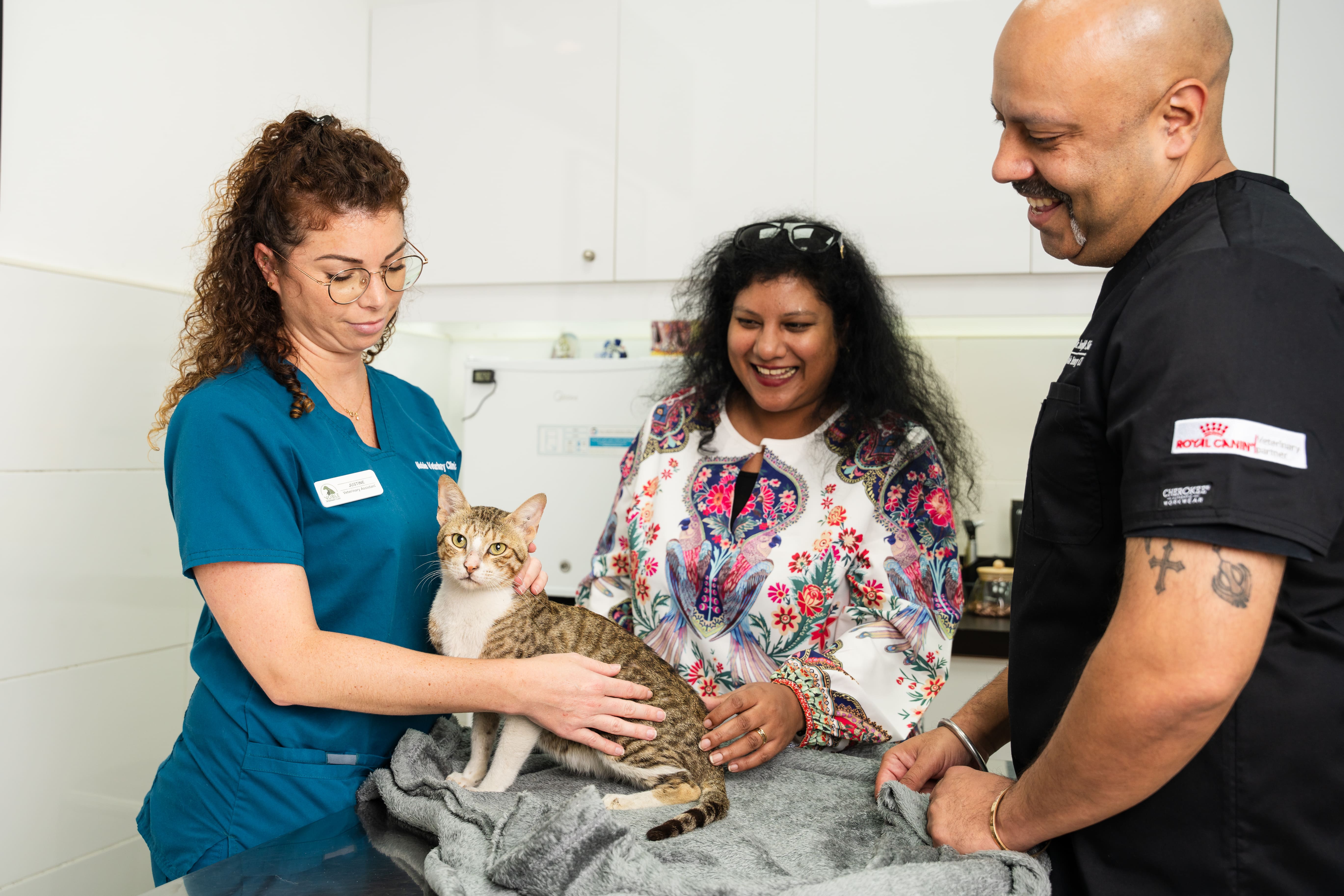
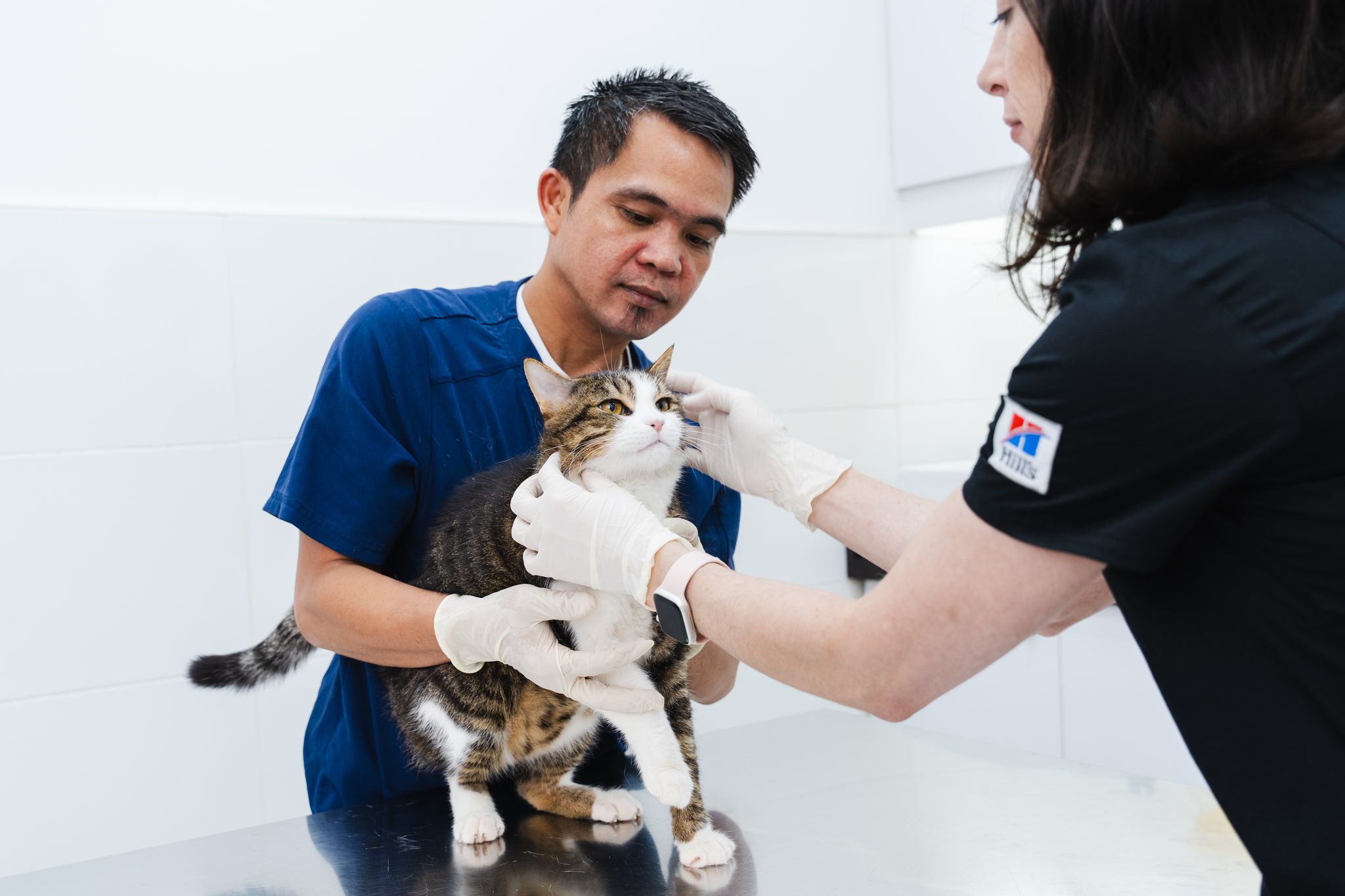
Two veterinarians are examining a cat with diarrhea while talking to the pet owner.

What Are the Common Causes of Cat Diarrhea?

Your cat’s diarrhea can stem from a couple of different reasons, from something as simple as their diet to severe health issues. Here are the common ones: 

Dietary Problems

The most common reason for cat diarrhea is diet. Cats have sensitive stomachs, so anything they eat can affect their digestive systems. 

  • Food Intolerances and Allergies. Cats with food allergies, intolerances, and sensitivities may also experience diarrhea when eating specific foods. Common examples include milk, chicken, eggs, and beef. 

  • Toxic Foods. Foods toxic to cats, such as chocolate, grapes, raisins, onions, and garlic, can cause diarrhea. These foods should generally be avoided, as they can do more damage to the cat’s body. 

  • Abrupt Changes in Food. Some cats may also experience diarrhea when their food is changed abruptly. This is why transition is important when switching food, even if it’s just the brand. 

  • Table Scraps or Spoiled Food. These are always bad for cats, as they can easily trigger digestive upset, causing diarrhea and vomiting in the process. 

Infections

Bacteria and viruses that cause infections can also be the reason for diarrhea. Some bacterial infections, particularly those from Salmonella and E. coli, can result in this symptom. Among viruses, feline parvovirus is the most notorious cause of feline diarrhea. 

Parasites

Internal and intestinal parasites are one of the most common causes of diarrhea in cats. Parasites such as hookworms, roundworms, tapeworms, and Giardia are among them. These parasites irritate and damage the lining of the gastrointestinal tract. 

This results in infection, inflammation, and disrupted nutrient absorption. 

Toxins and Poison

Cats may also experience diarrhea when they ingest toxins, poisons, human medication, and household cleaners. Plus, they can cause more than just diarrhea, which is why keeping these chemicals out of your cat's reach is crucial. 

Aside from chemicals, there are also different types of plants toxic to cats. We recommend checking our list first, so you’ll know which kinds to buy and which to avoid. 

Stress and Anxiety

Stress and anxiety in cats can also cause feline diarrhea. Cats have a direct link between their nervous system and digestive tract, where emotional distress can manifest as a physical symptom, namely gastrointestinal distress. 

Chronic Diseases

Usually, feline diarrhea is caused by various chronic health issues. These include: 

  • Pancreatitis. Feline pancreatitis is inflammation of the pancreas, leading to nutrient malabsorption and loose stools due to a lack of digestive enzymes. 

  • Inflammatory Bowel Disease. IBD is a chronic condition in which the immune system attacks the intestinal lining, causing inflammation and impaired nutrient absorption.

  • Liver Disease. Liver dysfunction will affect bile production. As a result, cats can develop diarrhea and other digestive issues.

  • Hyperthyroidism. Excessive thyroid hormone production will increase metabolism, resulting in frequent stools. 

  • Cancer. Tumors or growths along the gastrointestinal tract can cause obstructions, interfering with the normal structure and function. 

Need help with your cat's diarrhea?

Need help with your cat's diarrhea?

Let's have a quick chat.

Let's have a quick chat.

How Do Vets Diagnose Diarrhea in Cats?

Once you bring your pet to the clinic, we’ll start diagnosing the cause of your cat’s diarrhea through a few tests. Here’s what we’ll do: 

  • Physical Examination. We’ll perform an exam to assess your cat’s health, hydration levels, and other related factors. 

  • Fecal Tests. These tests, which can include a fecal flotation, fecal antigen testing, fecal cytology, and fecal culture, all allow us to identify the specific parasite or pathogen responsible for your cat’s diarrhea. 

  • Blood Tests. This method checks for infections, systemic diseases, and overall health.

  • Dietary Trials. This technique determines if your cat has food intolerances or food allergies.

  • Thyroxine (T4) Test. A T4 test is used to rule out hyperthyroidism in cats.

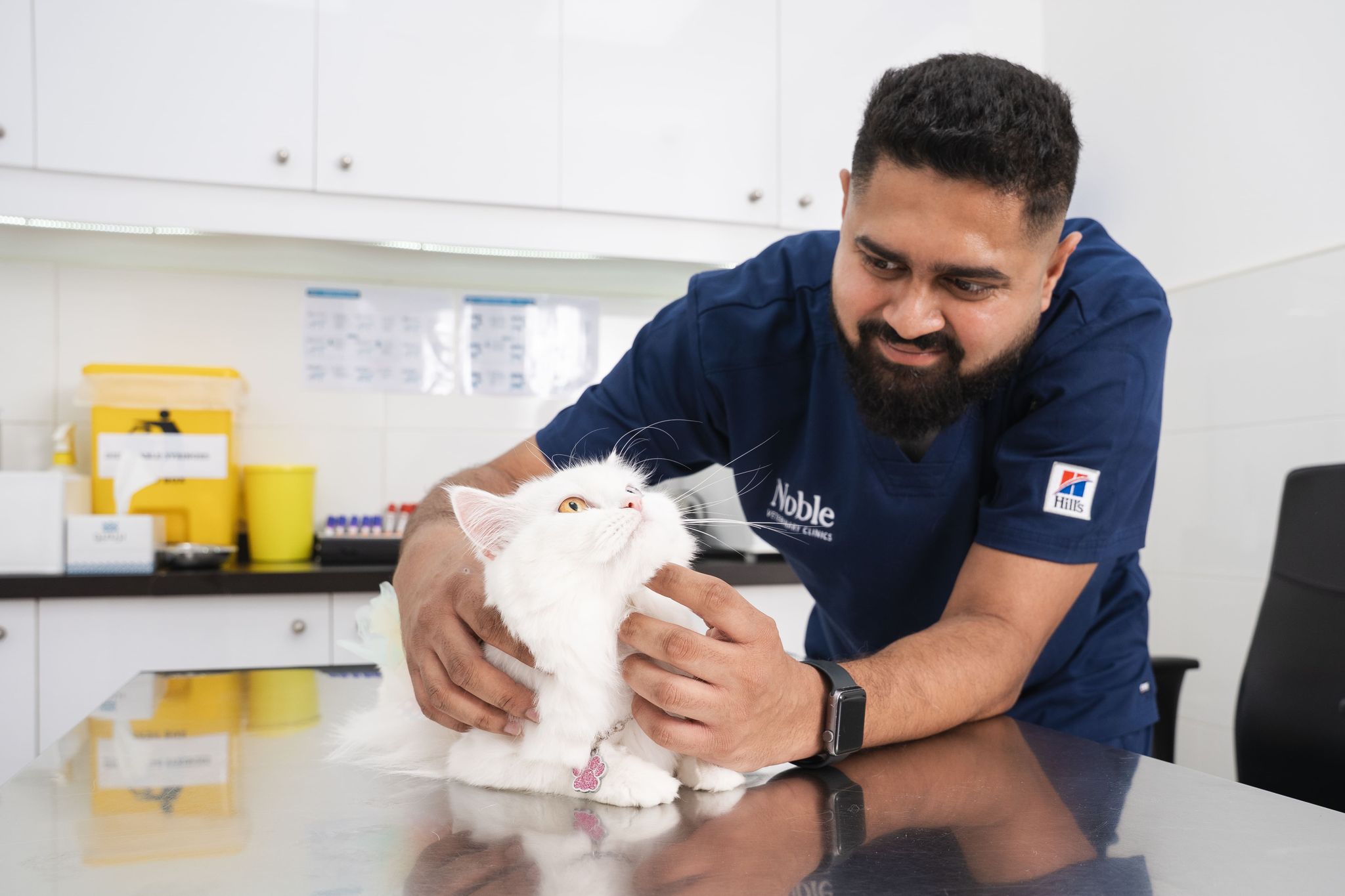
A veterinarian is petting white cat lying down on a metal table.

How to Treat Diarrhea in Cats?

Depending on the cause of your cat’s diarrhea, our vets may prescribe medications, treatments, or various approaches that can help eliminate this bowel issue in your cat.

Dietary Adjustments

If food sensitivities or allergies cause your cat’s diarrhea, we may recommend a bland diet in the meantime. This may help soothe your cat’s digestive system. We may also prescribe specific probiotics to help your cat’s gut health and recovery.

Medications

Medications can also be prescribed, such as anti-diarrhea medicines, to help manage the symptoms. Specific ones will be prescribed based on the underlying condition causing the diarrhea. 

For example, bacterial infections will be treated with antibiotics, while parasites will be treated with dewormers. Once the diagnosis is complete, we’ll get the medications your pet needs right at our vet pharmacy. We’ll administer them and guide you on how to apply them at home. 

Specific Treatments

For other conditions, such as feline parvo, pancreatitis, liver disease, and other acute and chronic causes of cat diarrhea, specific treatment methods will be provided. Supportive care therapy will be done as needed, which may include IV fluids, oxygen therapy, monitoring, and nutritional support.

Recovery Timeline

Recovery for cats with diarrhea will include maintaining hydration, feeding a bland or prescription diet, and using probiotics to support gut health. A 12 to 24-hour fast may be recommended for adult cats. 

Rest is especially crucial, so provide a comfortable space with easy access to their litter box. Most cats may recover from mild diarrhea within 24-48 hours. Those with serious cases may take 3-5 days to fully recover. Chronic cases may take several weeks. 

Two veterinarians are examining a cat with diarrhea inside the clinic.

Vet Tips: How to Prevent Diarrhea in Cats?

Preventing feline diarrhea doesn’t require too much from cat owners. It’s all about taking small steps to support your cat’s health. 

  1. Feed a Consistent, High-Quality Diet

Avoid sudden changes and always choose foods that are low in fat and carbohydrates. Stick to the options we recommend for your cat’s nutrition, including high-protein foods. 

If you need to switch things up, gradually increase the new food and slowly decrease the old food. Do this for 7-10 days until the new food has completely replaced the old one. 

  1. Keep Parasites Under Control

Regular deworming treatments work to eliminate any parasites and prevent any more from causing problems within your cat’s body. Doing so ensures your cat’s digestive system is healthy and protected from any issues. 

  1. Avoid Table Scraps and Unsafe Food

Human food is generally not recommended for cats, even as treats. These may contain ingredients like chocolate, garlic, and onions. Always make sure to give your cat the food they need.

  1. Visit the Vets 

We always recommend scheduling regular wellness checks so we can catch issues early before they worsen. When we do, treatment becomes much faster, easier, and smoother. We’ll also suggest recommendations based on your cat’s current health condition. 

“A healthy gut is the heart of a happy cat. Let’s do everything we can to keep it that way.”

- Dr. Rokas Proscevicius

Final Thoughts

Cat diarrhea can be a preventable problem with proper pet care and proactive veterinary intervention. As a cat owner, it’s important to monitor your cat’s health, which includes checking its stool appearance and behavior regularly.

Frequently Asked Questions

Can wet food cause diarrhea in cats?

Yes, this can happen when it’s transitioned in too quickly or when it contains ingredients that cats are allergic to or intolerant of. Plus, wet food spoils faster, which can also cause diarrhea.

Can wet food cause diarrhea in cats?

Yes, this can happen when it’s transitioned in too quickly or when it contains ingredients that cats are allergic to or intolerant of. Plus, wet food spoils faster, which can also cause diarrhea.

What should I feed my cat for this?

Offer a bland diet or a vet-recommended cat food that is easy on the digestive system. Feed in small, but frequent meals to control the pace. One common example is boiled chicken and rice. Always provide fresh water.

What should I feed my cat for this?

Offer a bland diet or a vet-recommended cat food that is easy on the digestive system. Feed in small, but frequent meals to control the pace. One common example is boiled chicken and rice. Always provide fresh water.

Can cat diarrhea resolve on its own?

Mild diarrhea caused by diet or stress often resolves in a day or two. But if it goes beyond the 48-hour mark, it’s less likely to resolve on its own. Since diarrhea can indicate several issues, both mild and severe, we recommend always keeping an eye on your cat.

Can cat diarrhea resolve on its own?

Mild diarrhea caused by diet or stress often resolves in a day or two. But if it goes beyond the 48-hour mark, it’s less likely to resolve on its own. Since diarrhea can indicate several issues, both mild and severe, we recommend always keeping an eye on your cat.

How long does this usually last?

Cats with mild diarrhea may recover within 24-48 hours. However, those with chronic conditions may take longer, even weeks. These require veterinary treatment.

How long does this usually last?

Cats with mild diarrhea may recover within 24-48 hours. However, those with chronic conditions may take longer, even weeks. These require veterinary treatment.

Is diarrhea in kittens dangerous?

Yes, a kitten with diarrhea should be treated urgently. Because they are small, they can become severely dehydrated and malnourished, potentially leading to life-threatening situations.

Is diarrhea in kittens dangerous?

Yes, a kitten with diarrhea should be treated urgently. Because they are small, they can become severely dehydrated and malnourished, potentially leading to life-threatening situations.

Share

Share

Custom Icon
Custom Icon
Custom Icon

Subscribe to Our Newsletter

Sign up for weekly pet health tips and insights from our veterinarians.

Sign up for weekly pet health tips and insights from our veterinarians.

Wellness & Emergency Care

Book Appointment

Worried about your pet?

We’re here for urgent care, wellness checks, or anything in between. 

Get the best Vet care for your pet

We’re Hiring! Let’s transform the future of veterinary care together.

We’re Hiring! Let’s transform the future of veterinary care together.

We’re Hiring! Let’s transform the future of veterinary care together.

We’re Hiring!

© 2006-2026 Noble Veterinary Clinics

Your veterinary practice, always here

© 2006-2026 Noble Veterinary Clinics

Policies

Contact Us

DIP - 8am to 9pm
JLT - 10am to 7pm

Jumeirah -

Mon-Fri: 8am to 8pm

Sat-Sun: 9am to 6pm

© 2006-2026 Noble Veterinary Clinics