What Do Cats Eat? A Guide on Feline Nutrition


What Do Cats Eat? A Guide on Feline Nutrition

What Do Cats Eat? A Guide on Feline Nutrition

Dr. Paulina Czerska

Published Date

Published Date

10 minutes

10 minutes

Custom Icon
Custom Icon
Custom Icon

Like humans and many other animals, cats need the right set of nutrients. Food provides the building blocks for growth and development. When something essential is lacking or something unnecessary is abundant, then it becomes a problem.
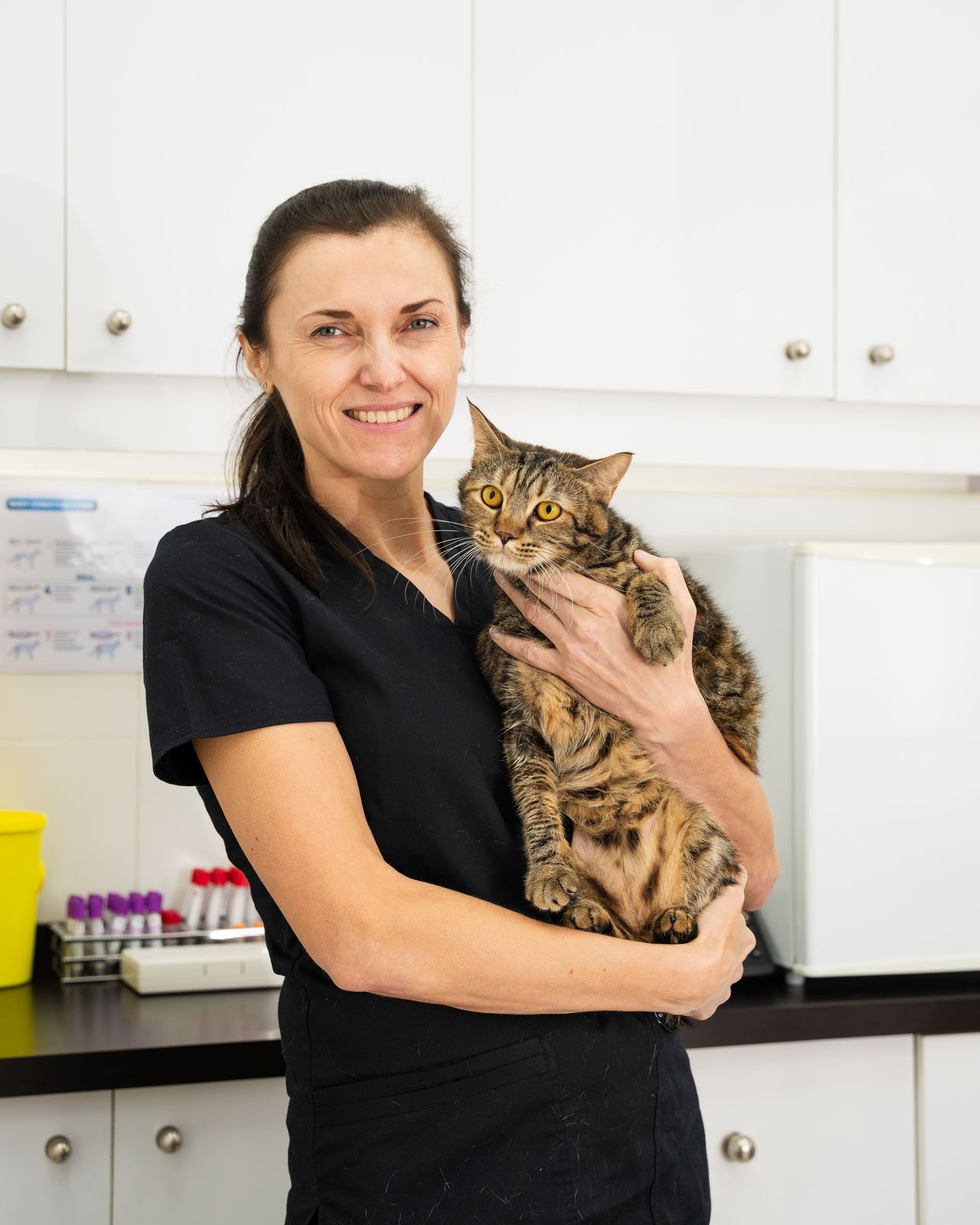
A veterinarian in a black shirt is keeping a cat calm before the checkup.

But what do cats eat? Is there anything specific they need for their nutrition? 

Cats are obligate carnivores, which means they are designed to have a diet that comprises animal meat. They also can’t process the nutrients found in plants, which means animal protein is the best food source for them. 

In this guide, we’re going to cover what cats can eat and what you can feed them. We’ll share the needed nutrients so you can have a better understanding of your cat’s nutrition.

What Nutrients Do Cats Need?

The most important thing to consider when it comes to what cats eat is the nutrients. Focus on protein, fats, vitamins, and minerals.

Protein

Protein is the main component of a cat’s diet. When cats eat meat, it gives them essential amino acids that are important for protection, development, and maintaining good skin and fur. It’s also the primary source of energy for cats.

Animal-based proteins are the most suitable sources for cats as they provide the most efficient building blocks for your cat’s growth. Cats need 11 essential amino acids for their diet. They are listed below.

Amino Acid

Benefits 

Arginine

Arginine supports ammonia detoxification, the immune system, circulation, and heart health.

Histidine

Histidine is necessary for tissue growth and repair, blood health, and metabolic processes.

Taurine

Taurine helps with vision, heart function, digestion, reproduction, and immune system function.

Isoleucine

Isoleucine supports muscle growth and repair, energy production, and skin and coat health.

Leucine

Leucine is involved in muscle maintenance and growth, tissue repair, energy, metabolism, and immune system support.

Lysine

Lysine helps fight FHV-1, supports muscles, blood, and bones, and provides nutritional support. 

Methionine

Methionine is important for skin and coat health, liver support, urinary health, and antioxidant support.

Phenylalanine

Phenylalanine supports protein synthesis, produces neurotransmitters, and helps manage pain.

Threonine

Threonine is for muscle growth, immune support, gastrointestinal health, and metabolism.

Tryptophan

Tryptophan improves a cat’s mood, reduces stress, and promotes good sleep.

Valine

Valine helps with muscle growth and repair, energy production, tissue repair, and nervous system function.

Fat

Fats are a crucial energy source for cats. Cats eat fats since they play an important role in helping your cat absorb vitamins A, D, E, and K. Healthy fatty acids help break down essential vitamins that your cat needs for its growth and development.

Additionally, omega-3 and omega-6 fatty acids can improve skin and coat health. This leads to a shinier coat, better wound healing, and an improved response to inflammation. Fish oil is a good source of healthy fats for cats. 

So, when planning what to feed your cat, take note of healthy fats. 

Vitamins

Here are some of the vitamins your cat needs in their food:

Vitamin

Benefits

A

Vitamin A is an essential provider of good vision and skin health. The vitamin supports healthy eyesight, especially during the night. It also helps your cat improve its immune system function, which improves its skin and coat health. 

B

B vitamins provide a multitude of benefits, including: 

  • Metabolism

  • Nerve function

  • Skin health

  • Red blood cell production

  • Energy production

D

Vitamin D helps boost your cat's bone health and formation. It’s a good vitamin that helps absorb crucial amounts of calcium and phosphorus. Vitamin D also helps keep your cat's nerve and muscle function up and running.

E

Vitamin E is another good nutrient that helps keep your cat’s overall health in good shape. It provides healthy skin and coats, improved muscular function, and good cardiovascular health. 

K

Vitamin K is an essential component needed for blood clotting. It’s also useful for maintaining the cat’s bone health. 

Minerals

Below are the minerals cats need for their health.

Mineral

Benefits

Calcium

Calcium is an excellent nutrient for keeping your cat’s teeth, muscles, and bones in good condition. By having good amounts of calcium, your cat’s nerve and muscle function will be greatly improved.

Phosphorus

Phosphorus works closely with calcium to support a cat’s bone and teeth health. It’s also useful for energy production, muscle function, and nerve activity. 

Magnesium

While an excessive amount can be unhealthy, a balanced amount of magnesium can improve your cat's bone health, muscle function, and nerve transmission.

Potassium

Potassium is a crucial mineral for muscle function and coordination. It also helps in keeping a cat’s nerves functioning properly and its fluid balance at a good level.

Need help with your cat's nutrition?

Need help with your cat's nutrition?

Ask our vets for a personalized guide.

Ask our vets for a personalized guide.

What Do Cats Eat?

Cats can eat meat, commercial cat food, homemade treats, and specialized supplements, as long as high-quality protein is the focus.

Meat

The best component of a cat’s diet is animal meat. Cats can eat meat choices such as chicken, beef, lamb, and fish, which are good sources of protein for your cat.

Cats can also eat raw meat, provided that this is prepared correctly. When done well, this can be highly beneficial for cats. A raw diet for cats consists of raw meat, organs, and bones. 

However, there are risks of bacteria and pathogens, nutritional imbalances, physical injuries from bones, and cross-contamination during preparation. If you’re considering this option, be sure to prepare raw diets correctly.

Commercial Cat Food

Cat food produced commercially offers a convenient way to give cats the nutrients they need.

Dry Food

Dry commercial cat food is popular among cat owners for its convenience. It has a long shelf life and can easily be stored for long periods of time. They provide all the nutrients cats need, with fresh water to complement the entire meal. 

Wet Food

Wet food is a popular option because it has a high moisture content, which is especially useful for cats who don’t drink enough water. 

It often contains higher levels of animal-based proteins and fewer carbohydrates compared to dry food. Wet food can feel more appealing to cats because of its soft texture. It may also help prevent urinary tract issues due to its moisture content.

Treats and Supplements

Treats can be a good addition to your cat's diet, but they should be given in moderation. Look for treats that are high in protein and low in fillers and artificial additives. Popular treats include cooked eggs, blueberries, and watermelon cubes. 

Supplements can also be necessary for cats with specific health conditions or dietary deficiencies.

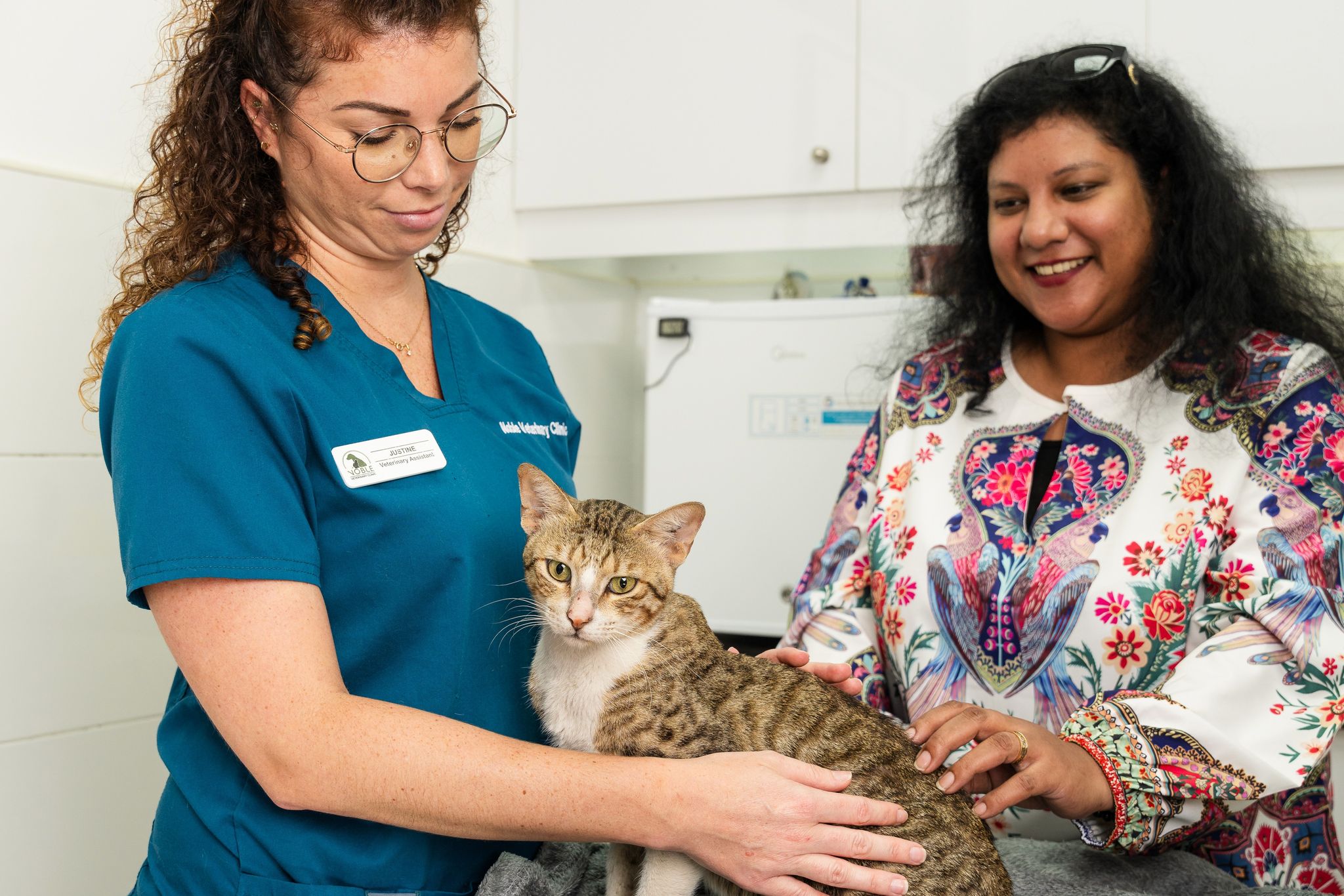
A vet is holding a cat and talking to the pet owner but the cat's nutrition.

What Can Kitties Eat?

Kittens require a specific diet to support their growing needs and development. Their diets should be focused on high-quality protein, fat, and taurine. Plus, they must have more frequent meals. Here’s a general guideline: 

  • 0-4 Weeks: Mother’s milk or specialized kitten milk replacer

  • 4-8 Weeks: Kitten milk replacer and wet food

  • 8+ Weeks: High-quality kitten kibble or wet food 

They can also benefit from smaller portions of plain chicken, turkey, beef, or lamb. Fish can be given, but only occasionally. Just remember that these foods shouldn’t have any seasonings or additives. Keep them plain.

What Foods Should Cats Not Eat?

Some types of food can be dangerous for a cat’s health. Below are the common ones you should never feed a cat.

  • Onions and Garlic. These can cause anemia by damaging red blood cells. Even small amounts can be toxic to your cats. 

  • Chocolate. Chocolate is highly toxic to cats because it contains caffeine and theobromine. These substances can cause vomiting, diarrhea, and seizures.

  • Grapes and Raisins. Grapes and raisins can cause kidney problems for your cats. The small seeds can also pose a choking hazard.

  • Dairy Products.  Products such as milk and cheese aren't good for cats, as they can't process the lactose present. Consuming them can only lead to vomiting, diarrhea, and stomachaches.

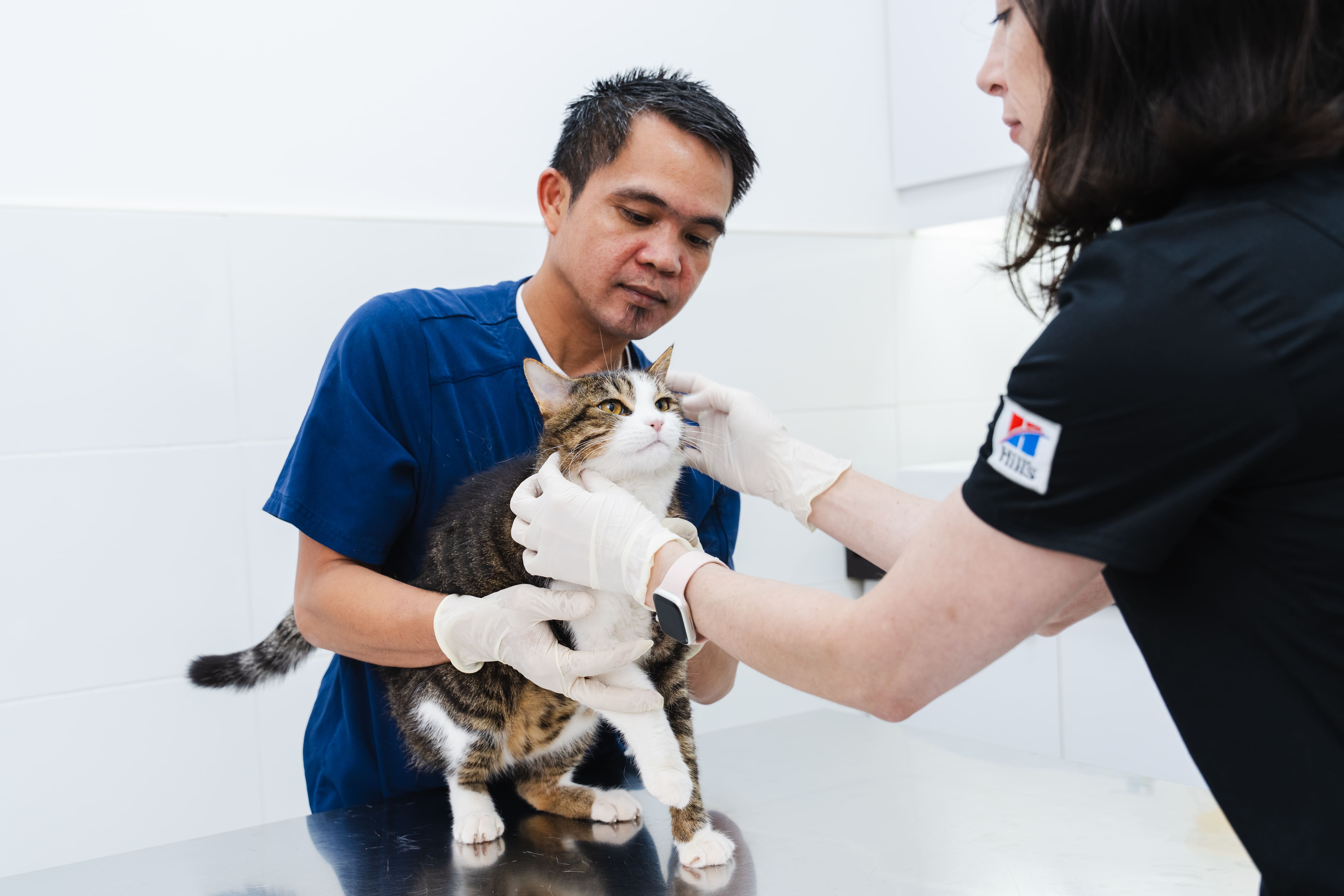
Two veterinarians are checking a cat and its physical condition.

Vet Tips: How to Serve Your Cat's Food

Feeding your cat means knowing their needs and preferences. Here are 7 tips you can easily follow. 

  1. Control Portions and Pace

Giving too much food at a time can contribute to obesity and other health issues in the long run. Be sure to follow the guidelines from the package or our vets’ recommendations. The portions of what your cat can eat will depend on their age, size, and breed.

  1. Adjust the Frequency of Meals

Kittens typically need to eat more frequently than adult cats. Kittens should eat three to four small meals a day, while adult cats should eat two meals a day. For seniors, strive to serve smaller, but more frequent meals. 

  1. Have a Consistent Feeding Routine

Feed your cat at the same time each day so their bodies can adjust, and they can get used to this routine. This will help regulate digestion and prevent overeating.

  1. Create a Comfortable Experience

Keep your cat comfortable by providing a quiet space for its meals. Make sure the area is free from loud noises that could be stressful during mealtime. Keep the area clean and free from potential contaminants.

  1. Warm Up the Food

Warming up the food will make it more enticing for most cats, as it enhances the aroma and makes the texture more appealing for them. It all depends on what your cat prefers, so try it out first with canned wet food. 

  1. Store the Food Properly

Always keep your cat's food in a cool, dry place. You can use airtight containers to keep them fresh. Canned food should be secured and refrigerated. Always check the expiration dates. 

When serving up homemade meals or raw meats, make sure the ingredients are stored properly according to the standards for each. 

  1. Provide Fresh Water

Since cats aren't always the most enthusiastic water drinkers, encouraging them becomes even more important. Consider using a water fountain to make the water more appealing for them, and always replace the water daily.

“The food you give your cat is the foundation for its health and happiness.”

- Dr. Paulina Czerska

Final Thoughts

Knowing what cats can eat helps us understand more about our cats’ nutrition. What we feed our cats determines their growth and development. If we provide the food that builds and nourishes them, our cats will thank us. 

Frequently Asked Questions

What are the foods that cats can eat?

Cats can eat a variety of foods, as long as they are prepared well. Aside from the occasional cat food, they can also eat cooked and unseasoned meats, vegetables, and fruits. Popular options include turkey, chicken, fish, eggs, carrots, spinach, blueberries, and strawberries.

What can I feed my cat if I don't have any cat food?

If you don’t have any cat food, then you can give small amounts of plain and cooked meat. This can be chicken, turkey, fish, or beef. You can also add some boiled eggs. When feeding meals other than commercial cat food, make sure these don’t have any additives such as salt, oil, or garlic.

Can I boil chicken for their food?

Yes, you can boil chicken for your cat. Boiled chicken is a good choice as it provides a lot of protein and is easy to prepare. However, the boiled chicken must be free from additives, and the bones and skin should be removed.

What to do if they are not eating?

Try offering smelly, wet food that is gently warmed up. Monitor them all throughout to check for any signs of pain or illness. If there are any severe signs or if they haven’t eaten in 24 hours, bring them over to the clinic for emergency treatment.

How long can a cat go without food?

Technically, healthy adult cats can survive about 1 to 2 weeks without food as long as they have access to clean drinking water. However, they shouldn’t go more than 24 hours without food, as the risk of hepatic lipidosis increases.

Share

Custom Icon
Custom Icon
Custom Icon

Subscribe to Our Newsletter

Sign up for weekly pet health tips and insights from our veterinarians.

Sign up for weekly pet health tips and insights from our veterinarians.

Wellness & Emergency Care

Book Appointment

Worried about your pet?

We’re here for urgent care, wellness checks, or anything in between. 

Get the best Vet care for your pet

© 2006-2026 Noble Veterinary Clinics

Your veterinary practice, always here

© 2006-2026 Noble Veterinary Clinics

© 2006-2026 Noble Veterinary Clinics