Cat Asthma: Causes, Symptoms, and Treatment


Cat Asthma: Causes, Symptoms, and Treatment

Cat Asthma: Causes, Symptoms, and Treatment

Dr. Nenad Misura

Published Date

Published Date

10 minutes

10 minutes

Custom Icon
Custom Icon
Custom Icon

Cats go through a lot in their lives. From simple diseases to more complex conditions, they need help with every aspect of their health. Some can be fixed with a definite cure, while others need long-term management. One of these conditions is cat asthma. 
A veterinarian is using a stethoscope to listen to check if a cat has asthma.

In this guide, we’re going to walk you through everything there is to know about asthma in cats, including the main causes and symptoms, as well as the treatment options. 

What Is Cat Asthma?

Asthma in a cat is a respiratory condition caused by chronic irritation and inflammation of the airways. This will lead to respiratory problems such as constriction, mucus buildup, and breathing problems. 

Normally, cats take in oxygen and expel carbon dioxide. The air passes through the nose or mouth and proceeds to the trachea. It then reaches the lungs through the bronchi and bronchioles. 

In a cat asthma attack, the bronchi and bronchioles become inflamed, becoming narrower. Along with increased mucus buildup, affected cats will have difficulty breathing and other respiratory symptoms. 

What Causes Asthma in Cats?

The irritation and inflammation of the airways are generally caused by several factors. These include: 

Environmental Factors and Irritants 

Environmental allergens are among the main causes of asthma in cats. These particles can irritate the lining of the airways, causing an allergic reaction. Common examples of these include: 

  • Pollen. Especially prevalent during the spring and summer months.

  • Dust and Dust Mites. Found in carpets, furniture, and bedding.

  • Tobacco Smoke. The smoke from the cigarettes themselves is a common irritant.

  • Perfumes and Aerosols. Strong scents from sprays, cleaners, or air fresheners.

  • Cat Litter Dust. Non-clumping or scented litters often produce fine particles that irritate the lungs.

Cats who live in areas with poor air quality, pollution, and moldy environments will have an increased risk of asthma.

Respiratory Infections

Respiratory infections, such as cat flu, can also contribute to asthma in cats. The pathogen can cause inflammation and irritation along the airways, narrowing them and making it hard for cats to breathe.

Genetics

Certain breeds, such as Himalayan and Siamese cats, have a higher risk of feline asthma. This is primarily because of their developmental features and increased risk of triggers. 

They might have inherited a more sensitive immune system or structural differences in the airways, which make them more susceptible to inflammation.

Other Factors

Other factors include age, stress, and obesity. Although cat asthma can manifest at any age, it is most commonly diagnosed in cats between the ages of 2 and 8. Additionally, stressed cats often have worse cases of asthma. 

Obesity is also another risk factor for asthma in cats. Obese cats tend to put more strain on their respiratory systems, which can pave the way for this condition.
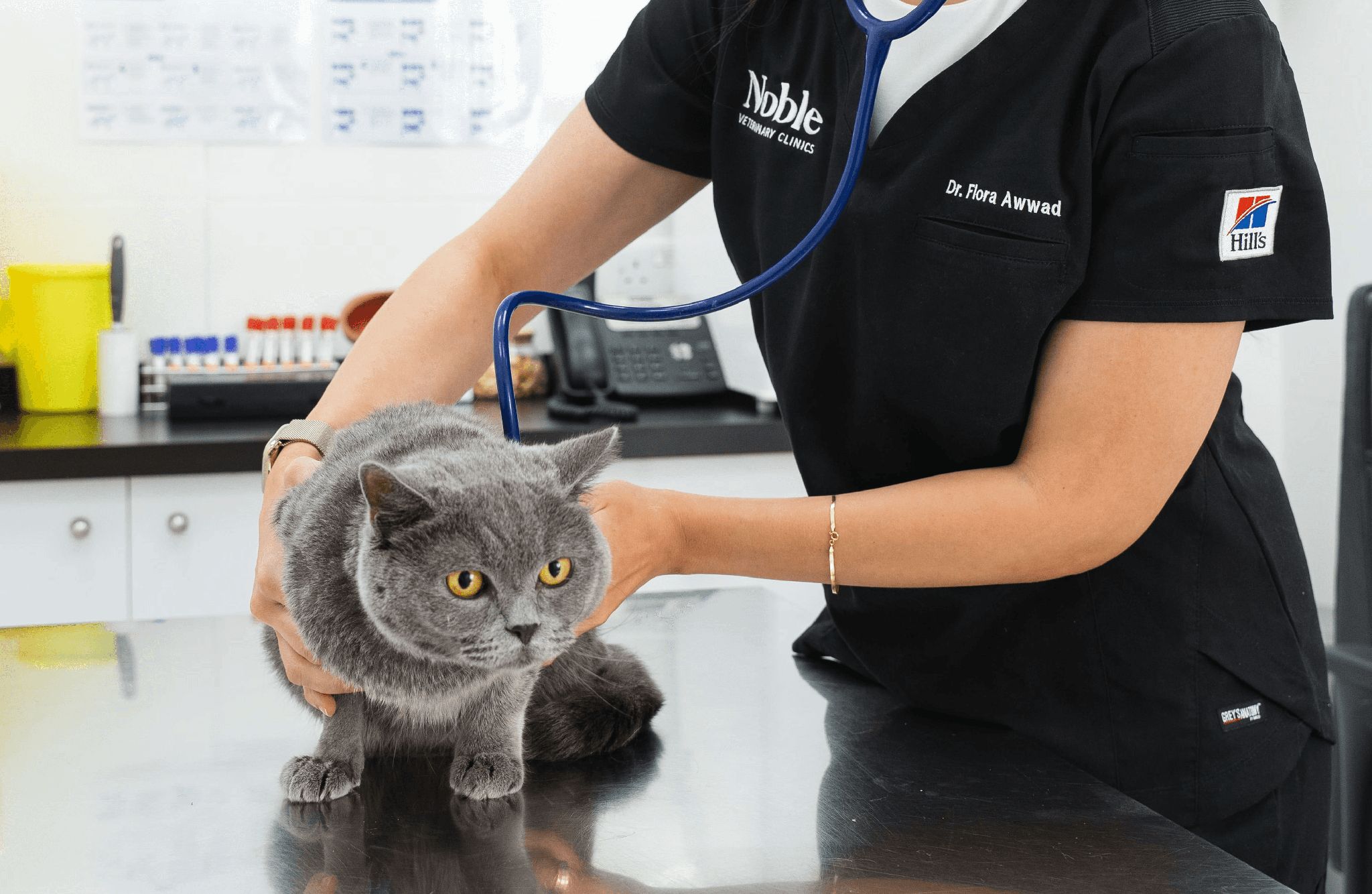
A veterinarian is checking a gray cat's breathing for symptoms of asthma.

How Do I Know if My Cat Has Asthma?

Cats may show respiratory signs such as coughing and wheezing, as well as other general signs. These include: 

  • Coughing. A dry and persistent cat cough is usually the most common symptom of feline asthma. It's often mistaken for a hairball cough, as some cats may gag as well. 

  • Wheezing. A high-pitched sound is heard when the cat has an airway problem. It comes from the sound the air makes when the cat breathes through swollen or constricted airways. Wheezing is usually present when the cat is exposed to irritants.

  • Open-Mouth and Labored Breathing. Your cat may open their mouth to breathe, with a noticeable increase in respiratory effort. 

  • Hunched Posture. Some cats may adopt a hunched posture, extending their necks and heads to help them with breathing. 

  • Lethargy. A cat with asthma may appear unusually tired and less active. They'll prefer to lie down and rest more often than engage in physical activity.

  • Reduced Appetite and Weight Loss. Cat asthma may lead to a loss of appetite. Breathing difficulties can cause discomfort, making it less enticing for your cat to eat. This results in significant weight loss. 

  • Bluish Gums or Lips. These symptoms indicate a lack of oxygen.
Need help managing your cat's asthma?

Need help managing your cat's asthma?

Let our vets help you out.

Let our vets help you out.

How Is Cat Asthma Diagnosed?

We’ll do a vet exam and a few diagnostic tests so we can diagnose your cat’s asthma. 

Veterinary Examination

A physical examination is the first step. With your input, we'll review your cat's symptoms and living conditions. We use a stethoscope to assess your cat’s breathing. This serves as an initial assessment of the lungs. 

Diagnostic Tests

If we think your cat has asthma, and to rule out other conditions, other diagnostic tests will be used.

  • Imaging Techniques. Tools such as a chest X-ray will be helpful in evaluating the cat's lungs and airways. This includes finding issues such as swelling in the airways.

  • Bronchoscopy. In more complex cases, a bronchoscopy may be performed. We do this by inserting a small tube with a tiny camera to inspect your cat’s airways. This will be done under anesthesia.

  • Tracheal or Bronchoalveolar Lavage. This process involves obtaining a sample from your cat's airways by flushing a sterile solution and then collecting the fluid for microscoping examination. If there's a significant number of eosinophils, a type of white blood cell, we can confirm asthma.

How Is Asthma in Cats Treated?

Once we have successfully diagnosed asthma in a cat, we’ll proceed to plan the steps to manage this condition. While you can’t fully cure feline asthma, it can be managed effectively. 

Medication mostly aims to help manage cat asthma, with the goal of reducing airway inflammation and easing breathing.

Corticosteroids

Corticosteroids are anti-inflammatory drugs that help reduce airway swelling, inflammation, and mucus production. They can be administered in various forms: oral, injectable, and inhaled. 

Although there are three main options, inhaled forms are typically the one most vets recommend because of their minimal side effects relative to the others. Devices like a metered-dose inhaler will provide the accurate amounts your cat needs.

Corticosteroid inhalers should be applied every 12 hours or as advised. 

Bronchodilators

These medications are often used for cat asthma attacks since they can be easily administered and work effectively. They work by relaxing and opening up the muscles in the airways, helping a cat breathe.

Inhalation Therapy and Devices

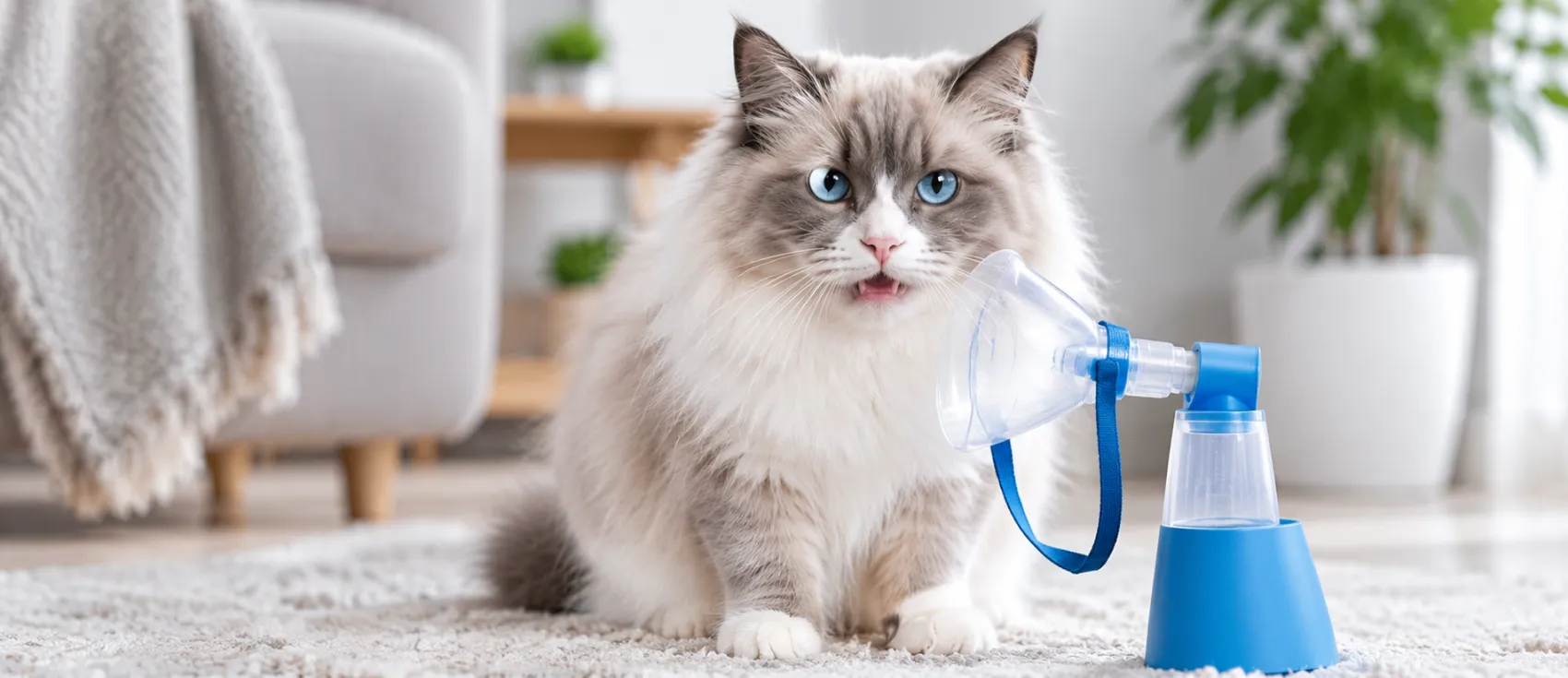
Inhalation devices are the most convenient way to administer cat asthma medications. Plus, they're safe and easy to use. Cats may need some time to adjust to the inhaler, but they can benefit from it with patience. 

Check out popular devices, such as the AeroKat Inhaler, which efficiently delivers medication to the lungs.

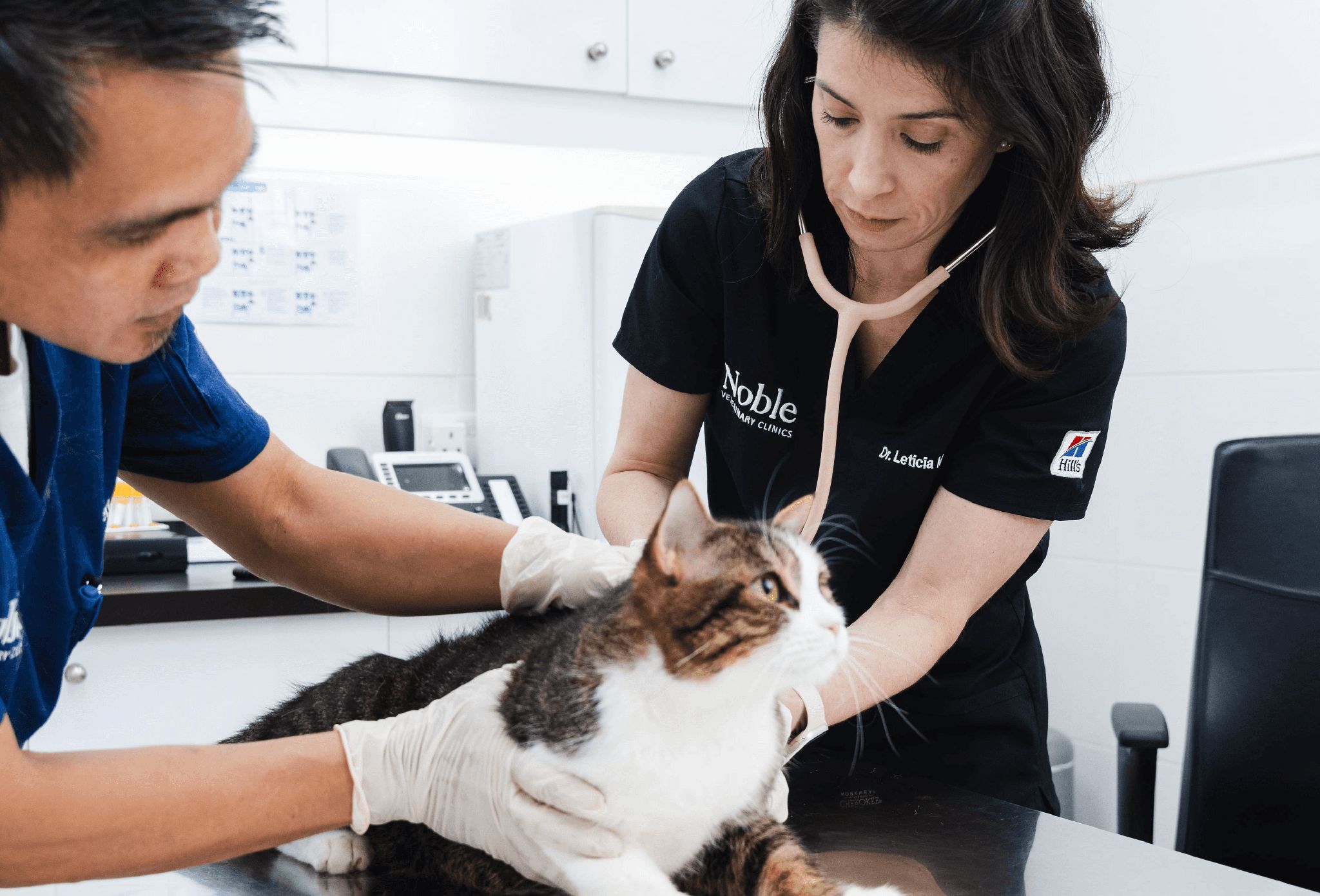
Two veterinarians are checking a cat's breathing to see if it has asthma.

Home Remedies for Cat Asthma​

Managing your cat’s asthma and preventing major triggers is important to help them live a normal life. Below are useful tips you can easily follow. 

  1. Switch to a Low-Dust Cat Litter

Start with your cat's litter box, as it's a hotspot for irritants that can trigger asthma. Use natural options that use wood and paper, or try low-dust, unscented options. This can prevent irritation. 

  1. Use Air Purifiers

Air purifiers are essential for improving the air quality at home. These devices can effectively reduce airborne allergens, making the air they breathe much cleaner. The HEPA filter in the air purifier captures these irritants and keeps the air clean and crisp. 

  1. Clean Your Home

Cleaning your home helps a lot in avoiding asthma and helping your cat recover. Wash your cat's bedding and vacuum furniture, carpets, and rugs around the house. Avoid using strong chemicals and detergents.

What if Cat Asthma Is Left Untreated?

If asthma in cats is left untreated, the inflammation of the airways can worsen over time, making it more difficult to breathe. As a result, the lungs can get permanent damage, and your cat’s quality of life will be reduced. In severe cases, untreated cat asthma can become life-threatening.

“Helping our cats breathe allows them to experience the peaceful and happy life they deserve.”

- Dr. Nenad Misura

Final Thoughts

While cat asthma is concerning, the condition can be managed with the right care. All your cat needs is proper care, consistent medication, and your complete dedication. With all of these and more, your cat can live happily and breathe freely. 

Frequently Asked Questions

How long do cats with asthma live?

Even cats with asthma can live full and comfortable lives. The condition can easily be managed at home with regular medication, routine checkups, and proper home care.

What worsens it?

Cat asthma can be worsened by dust, smoke, pollen, strong scents, and mold. These are common triggers and are usually present in outdoor environments where you can’t control the irritants.

Can cat litter dust cause asthma?

Yes, dusty cat litter or those with strong scents can contribute to the progression of feline asthma. Also, poorly maintained litter boxes can have a higher chance of having irritants that could trigger cat asthma.

Can a cat asthma attack be dangerous?

Yes, they can be dangerous if they become severe or prolonged. During the episode, a cat may struggle to breathe because of the narrowed airways. This can deprive the body of oxygen if left untreated, which may lead to collapse.

Is this contagious to other pets?

No, cat asthma is not contagious. It’s an inflammatory condition rather than an infectious disease. Other pets cannot catch asthma from the affected cat. Although environmental triggers may affect multiple pets in the same household.

Share

Custom Icon
Custom Icon
Custom Icon

Subscribe to Our Newsletter

Sign up for weekly pet health tips and insights from our veterinarians.

Sign up for weekly pet health tips and insights from our veterinarians.

Wellness & Emergency Care

Book Appointment

Worried about your pet?

We’re here for urgent care, wellness checks, or anything in between. 

Get the best Vet care for your pet

© 2006-2026 Noble Veterinary Clinics

Your veterinary practice, always here

© 2006-2026 Noble Veterinary Clinics

© 2006-2026 Noble Veterinary Clinics