Cataracts in Cats: What Causes Them and How They’re Treated

Cataracts in Cats: What Causes Them and How They’re Treated
Cataracts in Cats: What Causes Them and How They’re Treated

Dr. Nenad Misura

Published Date

Published Date

10 minutes

10 minutes

Custom Icon
Custom Icon
Custom Icon

Cats can experience a variety of different eye conditions, and cataracts are one of them. Feline cataracts are a condition characterized by clouding of the lens, making it difficult for cats to see. 

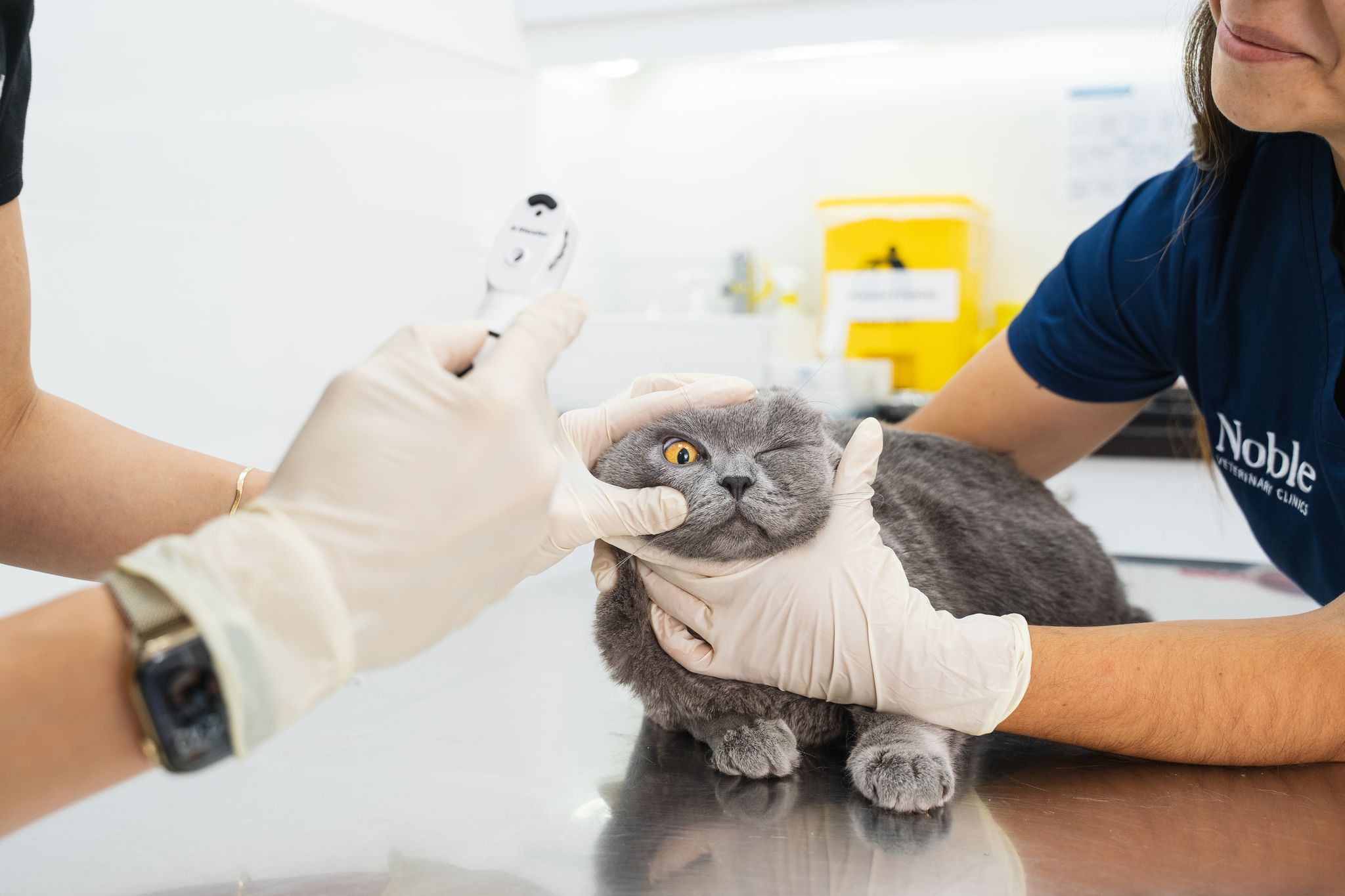
A veterinarian is examining a cat on a metal table inside the vet clinic.

In the early stages, cataracts may only affect a small part of the lens and have little impact on your cat’s vision. But when left untreated, this condition can progress to complete blindness. 

With that, we’ll share everything you need to know about cataracts in cats, from the causes to how we can prevent them.

Key Takeaways

Cataracts in cats are cloudy obstructions in the eye lens, often composed of water and altered proteins.

These can be caused by genetics, uveitis, eye injuries or trauma, health issues, age, nutritional deficiencies, and toxins.

Phacoemulsification is the definitive treatment for cataracts in cats. 

What Are the Symptoms of Cataracts in Cats?

The usual signs our veterinarians observe are cloudy eyes, poor navigation, behavioral changes, squinting, and light sensitivity. 

  • Cloudy or Opaque Eyes. One of the most common symptoms of cataracts in cats is the cloudy or hazy appearance. This can appear in one or both of the eyes. 

  • Poor Navigation. If you notice your cat bumping into furniture or having trouble navigating around your home, this might be a sign. Feline cataracts block light from entering the retina, resulting in poor vision. 

  • Changes in Behavior. Your cat may appear more cautious, clingy, or even more easily startled in new environments. Some may also be more hesitant to move around.

  • Squinting or Pawing at the Eyes. Cat cataracts themselves aren’t typically painful, but they’re often associated with other eye issues, such as inflammation or irritation.

  • Sensitivity to Light. Cats with cataracts may avoid brightly lit areas and rooms. They may also choose to hide under sofas and stay in dimly lit rooms. 

What Causes Cat Cataracts?

Feline cataracts can be caused by genetics, eye inflammation, eye injuries or trauma, health issues, age, nutritional deficiencies, and toxins. 

Genetic and Breed Predisposition

Some cats are born with a higher risk of developing cataracts due to their genetics. This includes breeds such as:

Uveitis

Uveitis induces chronic inflammation by allowing inflammatory cells and proteins to enter the aqueous humor, thereby damaging the lens epithelium and its metabolic processes. This causes the lens fibers to become opaque. 

Injuries or Trauma

Direct injuries and trauma to the cat’s eyes can cause cataracts. This breaks the lens capsule, causing fluid to accumulate within the lens and leading to rapid cataract formation. Common examples include a direct blow, penetrating injuries, and sharp objects. 

Health Issues

Health problems, such as diabetes and high blood pressure, can contribute to the development of cataracts in cats. Elevated blood sugar levels increase sorbitol, a compound that attracts water in the lens. When this happens, the eyes swell. 

High blood pressure, on the other hand, causes cataracts in cats by damaging the blood vessels of the eyes. This leads to bleeding and fluid buildup inside the eyes, resulting in cataracts. 

Aging

As cats age, the lens proteins can break down or clump together due to natural wear and tear. This reduces transparency, making the lens cloudy or opaque, blocking light from entering. 

Nutritional Deficiencies

Nutritional deficiencies in a cat can hinder proper protein synthesis in the lens, leading to structural changes and lens clouding. This can happen in kittens with improper diets or imbalanced milk replacer formulas. 

Exposure to Toxins or Radiation

Cats that come into contact with harmful chemicals or toxins may develop cataracts as a result of lens damage. Radiation exposure can also damage the lens, resulting in the cloudy appearance of the eyes.

A veterinarian is petting a white cat after a cataract checkup.

What’s the Difference Between Cataracts and Nuclear Sclerosis in Cats?

Nuclear sclerosis, also known as lenticular sclerosis, is a normal change in the lens of the eye caused by age. Cat cataracts, on the other hand, are more of an actual clouding that blocks light from reaching the retina rather than just a change in color.

Features

Cataracts

Nuclear Sclerosis

Appearance

Solid white, opaque, or dense spots that can form anywhere in the lens.

Faint, blue-gray, and often translucent, located in the center of the pupil

Impact on Vision

Mild to complete blindness

Minimal vision loss

Causes

Genetics, uveitis, trauma, health issues, nutritional deficiencies, age, toxins

Age

These eye conditions are often confused with each other because they both result in a similar bluish-to-grayish hue on the lens.

Worried about your cat’s cloudy eyes or changes in vision?

Worried about your cat’s cloudy eyes or changes in vision?

Book a checkup with our eye experts.

Book a checkup with our eye experts.

How Do Vets Diagnose Cataracts in Cats?

Our team focuses on an eye exam and several diagnostic tests to diagnose the cause and condition.

Ocular Exam and Ophthalmoscopy

The first step is a general physical and eye examination. Our pet ophthalmologists will assess your cat’s eyes for any visible cloudiness, changes in pupil size, and other abnormalities. We’ll also ask you about your cat’s medical history and overall health.

This will also include an ophthalmoscopy. We’ll use an ophthalmoscope to assess the eye’s internal structures, including the lens, retina, and optic nerve. Our team will also shine a light into the eye, and if there’s a shadow on the retina, then cataracts are likely. 

If more information is needed, we will do a slit lamp exam. Through this, we can determine the location, type, and extent of the opacity. 

Other Tests  

To help us reach an accurate diagnosis, we will perform other specific tests. These will be used to rule out conditions like diabetes, uveitis, and high blood pressure.

Two veterinarians are talking to a pet owner about her cat's cataracts.

How Are Cat Cataracts Treated?

Feline cataracts are generally treated with surgery and medical management to restore normal vision. 

Surgery

Phacoemulsification is the most effective treatment for cataracts in cats. It works by making a small incision to break up and remove the lens, then replacing it with an artificial intraocular lens. This restores vision to the cat.

Medications

If surgery is not an option, we may recommend medical management. This includes anti-inflammatory and pain medications to alleviate the symptoms and manage the inflammation. These do not completely treat the condition.

Specific Treatments

For feline cataracts caused by underlying health issues, we may provide targeted treatments that address the underlying disease.

Recovery and Prognosis

Cats generally recover from the surgery within 4-8 weeks, with functional vision returning within 24 hours to a few days. This will require strict rest and recovery for about 2-3 weeks, including E-collar use, restricted activity, and medical management. 

Untreated cataracts can lead to more complications, including feline glaucoma. Cataract surgery has a high success rate, around 90%. This offers an excellent prognosis for restoring vision. 

Vet Tips: How to Prevent Cataracts in Cats

Follow these simple tips to significantly reduce the risk. 

  1. Schedule Eye Exams 

Regular eye examinations and checkups will help identify common eye issues in cats. Through these, we can diagnose conditions early on and find an effective treatment option. 

  1. Promote Balanced Nutrition

Improving your cat’s diet also helps keep their eyes healthy. Foods rich in taurine, vitamin A, and omega-3 fatty acids can benefit eye health. These include salmon, eggs, and high-quality cat food. If you need any personalized help, our nutritionists can assist. 

  1. Monitor Your Cat’s Eyes

In addition to routine eye exams, your cat’s eyes should be checked and cleaned regularly. Always look out for their eyes and keep an eye out for discharge, debris, and dirt. If you notice any, use a soft, damp cloth and wipe outward. 

"A cat’s eyes don’t just reflect light, they reflect their health, well-being, and happiness."

- Dr. Nenad Misura

Final Thoughts

Your cat relies on you to notice the signs and take action when something seems off. The causes of cataracts in cats can’t be fully avoided, but you can take steps to take good care of their eyes. Let’s help our cats enjoy a brighter and clearer future. 

Frequently Asked Questions

How fast do cataracts progress in cats?

Feline cataracts may progress slowly over several months or years, or rapidly over a few weeks. It generally depends on the underlying cause. Acute inflammation and injury cause them to progress faster.

How fast do cataracts progress in cats?

Feline cataracts may progress slowly over several months or years, or rapidly over a few weeks. It generally depends on the underlying cause. Acute inflammation and injury cause them to progress faster.

Is this painful for cats?

Cataracts are generally not painful, though they may cause discomfort due to vision loss. They may also lead to other painful eye conditions, such as glaucoma.

Is this painful for cats?

Cataracts are generally not painful, though they may cause discomfort due to vision loss. They may also lead to other painful eye conditions, such as glaucoma.

Can cataracts in cats be reversed without surgery?

No, this eye condition cannot be reversed or cured without surgery. Phacoemulsification is the only definitive way to restore functional vision to affected cats.

Can cataracts in cats be reversed without surgery?

No, this eye condition cannot be reversed or cured without surgery. Phacoemulsification is the only definitive way to restore functional vision to affected cats.

Can a cat live with cloudy eyes?

Cats may live with cloudy eyes, but their quality of life will decline. Some will appear less playful and more hesitant to move.

Can a cat live with cloudy eyes?

Cats may live with cloudy eyes, but their quality of life will decline. Some will appear less playful and more hesitant to move.

Will cat cataracts resolve on their own?

No, these won’t resolve on their own. Once a cat’s lens becomes cloudy or opaque, the condition will only progress and worsen.

Will cat cataracts resolve on their own?

No, these won’t resolve on their own. Once a cat’s lens becomes cloudy or opaque, the condition will only progress and worsen.

Share

Custom Icon
Custom Icon
Custom Icon

Subscribe to Our Newsletter

Sign up for weekly pet health tips and insights from our veterinarians.

Sign up for weekly pet health tips and insights from our veterinarians.

Wellness & Emergency Care

Book Appointment

Worried about your pet?

We’re here for urgent care, wellness checks, or anything in between. 

Get the best Vet care for your pet

We’re Hiring! Let’s transform the future of veterinary care together.

We’re Hiring! Let’s transform the future of veterinary care together.

We’re Hiring! Let’s transform the future of veterinary care together.

We’re Hiring!

Your veterinary practice, always here

© 2006-2026 Noble Veterinary Clinics