Keeping our cats’ eyes safe is part of our duties as pet owners. So, if you’ve noticed your cat squinting or pawing at its eyes, something like entropion might be the one causing trouble.
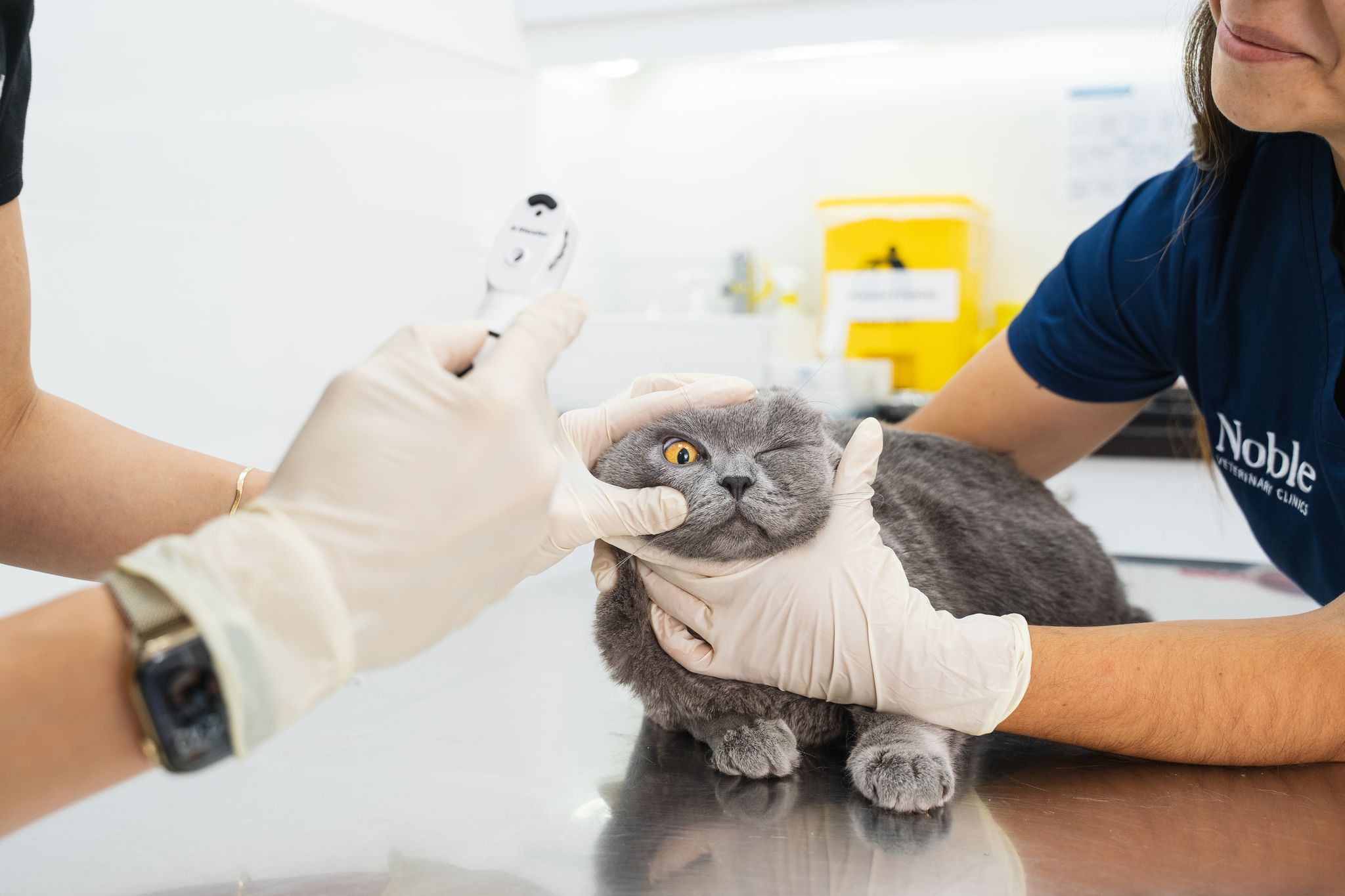
Entropion in cats is a condition characterized by the eyelid rolling inward. This causes the cat’s fur and eyelashes to rub against its eyes.
While entropion is more commonly associated with dogs, it can also affect cats, especially in certain breeds. This eye condition can be painful and lead to serious eye damage if left untreated.
The good news is that a cat’s entropion can be managed and corrected. Most cats affected by this condition recover well and live comfortable lives. But before that, let’s know more about entropion and how it affects our cats.
Key Takeaways
Feline entropion is caused by genetics, chronic conditions, infections, trauma, and age.
Common symptoms include excessive squinting, tearing, redness, and pawing at the eye.
The primary treatment method for entropion in cats is surgical correction.
What Causes Entropion in Cats?
Entropion experienced by cats can have numerous causes, including:
Breed-Related Factors
Brachycephalic breeds like Persians, Himalayans, and Burmese cats are genetically predisposed to entropion because of their unique facial features. These features include prominent eyes, flat faces, and heavy skin folds.
Chronic Irritation or Infection
Long-term irritation or infection may also cause entropion in cats. This happens when the condition causes cats to squint excessively due to pain, causing the eyelids to roll inward.
Other inflammatory diseases, such as feline herpesvirus, can also cause long-term inflammation and irritation, pulling the eyelid margin inward.
Trauma or Injury
Physical trauma or injuries to the face may affect the cat’s eyelids, potentially resulting in scarring. This scarring distorts the eyelid edges, causing them to turn inward and leading to the condition.
Age
Older cats may start to lose fat around the eyes, making them sink into the socket. This means less support for the eyelids, letting them roll inward as a result.
What Are the Symptoms of Entropion in Cats?
Cats are masters at masking and hiding pain, so it’s good to take note of the common symptoms of entropion.
Frequent squinting or blinking. You might notice your cat keeping one or two of its eyes closed because the inward-rolled eyelid is causing irritation. Squinting is its way of dealing with the discomfort.
Excessive tearing. If you notice your cat’s eyes constantly watering, it could be a sign that their eyelashes or fur are rubbing against the cornea. Tear stains on their fur are also common, especially near the inner corners of the eyes.
Redness and irritation. The constant friction from the eyelid rolling inward can cause inflammation, making the eye look red and swollen. This irritation can worsen over time if the condition isn’t treated.
Mucus or pus-like discharge. If an infection develops due to the irritation, you may notice yellow or green discharge around your cat’s eye. This is a sign that bacteria have taken advantage of the damaged eye surface.
Pawing at the eye. Cats with entropion often rub their eyes with their paws or against furniture to try to relieve discomfort. Unfortunately, this can make things worse by introducing bacteria or causing damage to the eye.
Cloudiness or changes in the cornea. As time goes on, entropion can lead to corneal ulcers and injuries in cats, making the surface of the eye look cloudy or dull. If left untreated, this can eventually impact vision.
Third eyelid protrusion. You might notice your cat’s third eyelid becoming more visible. This usually happens when the eye is irritated and trying to protect itself.
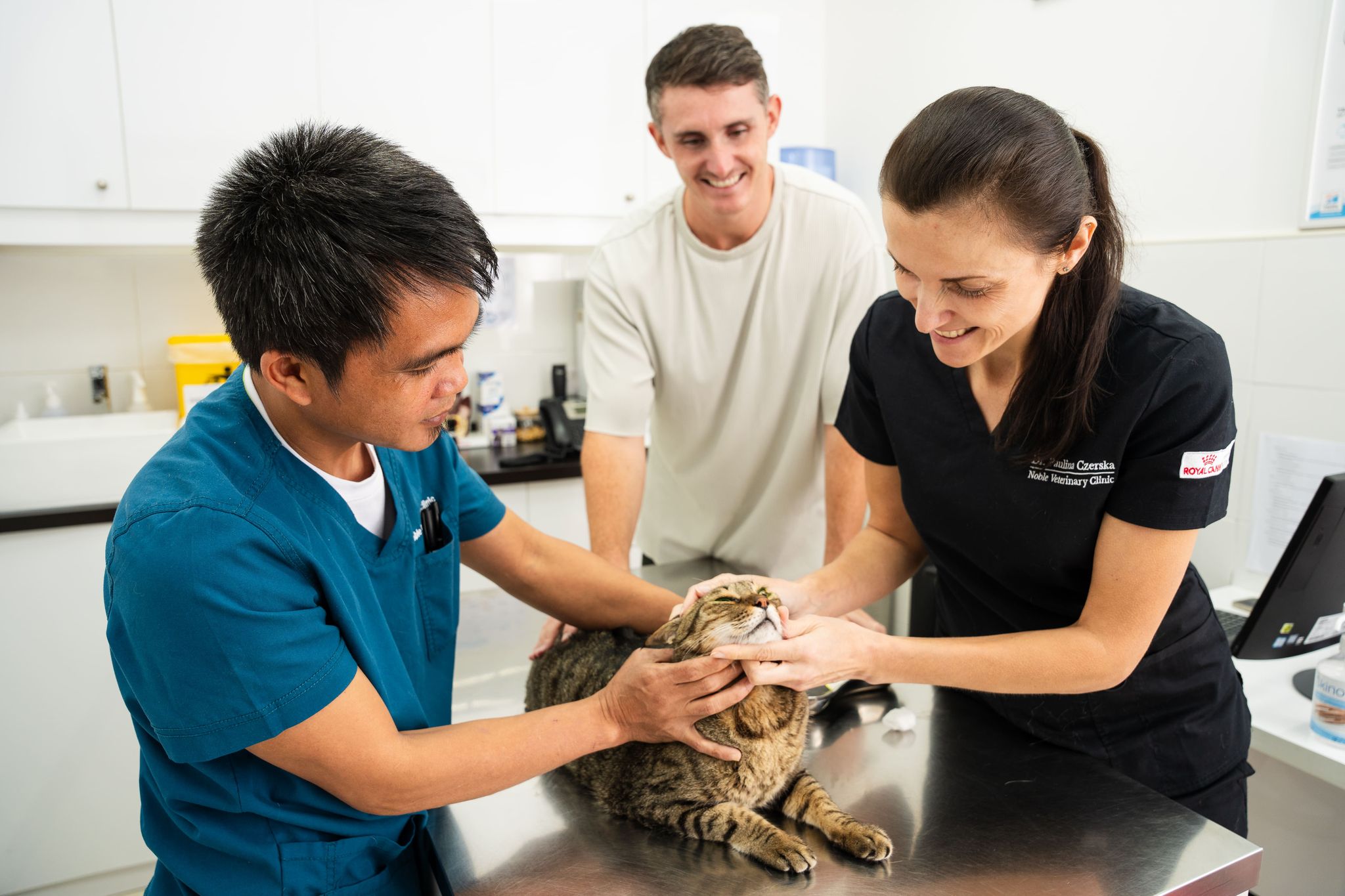
How Is Entropion Diagnosed in Cats?
Diagnosing feline entropion starts with an ocular exam, an eye stain test, and a Schirmer tear test.
Ocular Examination
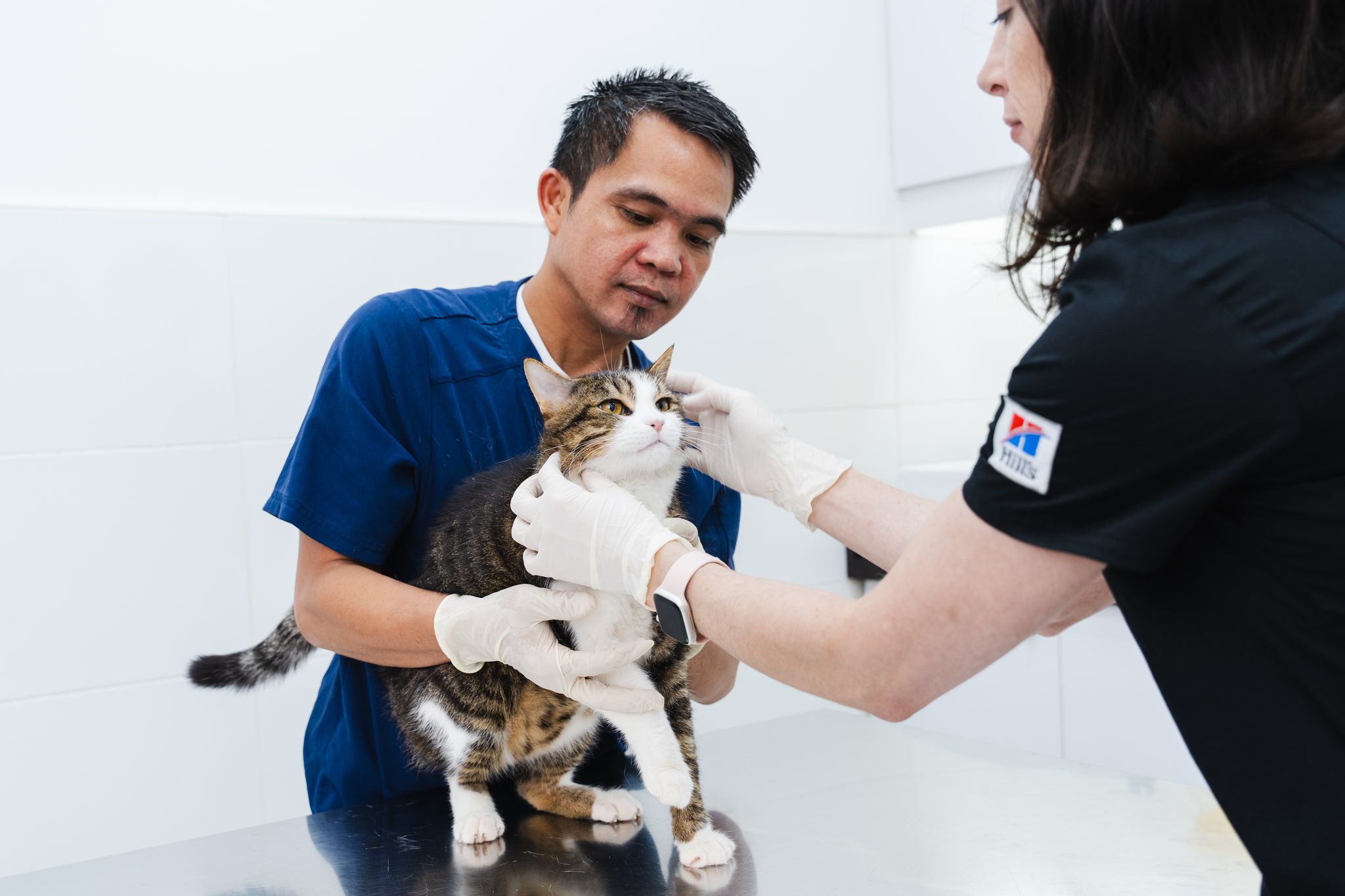
The first step is always a physical examination of the eyes. Our vets will look out for any signs, such as redness, excessive tearing, and inward-rolled eyelids. Any notable eye behavior, such as squinting and blinking, will also be noted.
Eye Stain Test
Fluorescein staining will be used to check for corneal damage. The dye is completely harmless, as it just lets us see if there are any ulcers or scratches on your cat’s cornea. These areas will be highlighted once we introduce a blue light.
Schirmer Tear Test
Another test we’ll use is a Schirmer tear test. In this test, our vets will measure your cat’s tear production. This will help us rule out any dry eye issues.

How to Treat Entropion in Cats?
The main treatment options include surgical correction, medical treatment, and a hyaluronic acid filler.
Surgery
The primary mode of treatment that delivers permanent results is surgical correction. In this procedure, a small elliptical section of skin and fur will be removed from below the affected eyelid. By doing so, the eyelid can naturally roll downward.
After the surgery, recovery will be an important step. This will make use of an E-collar, eye drops, and regular vet checkups to ensure the process goes smoothly. Fortunately, the success rate of this surgery is high, with most cats returning to their normal routines.
Medications
These may be used to provide relief, alleviate symptoms, and treat secondary infections.
Eye lubricants. These lubricants help temporarily protect the eyes from irritation.
Antibiotic eye drops. Antibiotics in the form of eye drops will be used for a bacterial infection that is involved in your cat’s entropion.
Pain relief medications. Pain medications can also be administered to help your cat feel more comfortable during treatment.
Hyaluronic Acid Filler
This is a non-surgical technique that’s often used for young or older cats. It works by injecting hyaluronic acid filler into the cat’s eyelid, helping plump the tissue and making it roll away from the eye.
How to Prevent Entropion in Cats?
While entropion itself cannot be fully prevented, it’s still important to protect your cat’s eyes.
Clean your cat’s eyes
You can do this at home by regularly cleaning your cat’s eyes at least once a week, more if your cat frequents the outdoors. Use a clean, damp cloth and wipe outward. You should also include eye care whenever you have your cat professionally groomed.
Clean the house
Keep your house clean and free from anything that can injure your cat’s eyes. Get rid of any sharp objects or dangerous items that may damage, scratch, or pierce their eyes.
Supervise your cat
Monitor your cat if they are spending time outside. If you notice any symptoms, be sure to bring your cat to the clinic immediately. Regular checkups are also helpful for your cat’s long-term eye care.
"Protecting our cats’ vision is one way to show our love and appreciation for them."
- Dr. Soheyl Simaei
Final Thoughts
Entropion can cause trouble for cats and disrupt their normal routines. The condition can constantly cause a lot of pain and discomfort, especially when it’s left untreated. So, if you notice any of the signs of entropion, it’s best to bring your cat to the clinic.
Frequently Asked Questions
Is entropion painful for cats?
Yes, this is an extremely painful eye condition for cats because the eyelashes and fur constantly rub against the surface of the eye.
What happens if it’s left untreated?
Untreated entropion can lead to chronic and severe pain, corneal ulcers, and even potential blindness because of the constant irritation.
Can this be resolved on its own?
No, entropion rarely resolves on its own without veterinary treatment. It requires surgical correction for a permanent cure.
Is entropion common in cats?
It’s generally uncommon compared to dogs. Breeds such as Persians, Himalayans, and Burmese cats may be at higher risk for this condition.
How long do cats recover after eye surgery?
Cats may generally recover in 10-14 days after surgery. This will include medications, restricted activity, E-collars, and daily monitoring.
Share
Subscribe to Our Newsletter
Worried about your pet?
We’re here for urgent care, wellness checks, or anything in between.