Giardia in Dogs: Symptoms, Transmission, and Treatment


Giardia in Dogs: Symptoms, Transmission, and Treatment

Giardia in Dogs: Symptoms, Transmission, and Treatment

Dr. Mafalda Sardinha

Published Date

Published Date

10 minutes

10 minutes

Custom Icon
Custom Icon
Custom Icon

When it comes to our dogs’ health, we do our best to protect them from what we see. However, some threats are invisible dangers that cause real pain and damage. One of these is Giardia in dogs.  
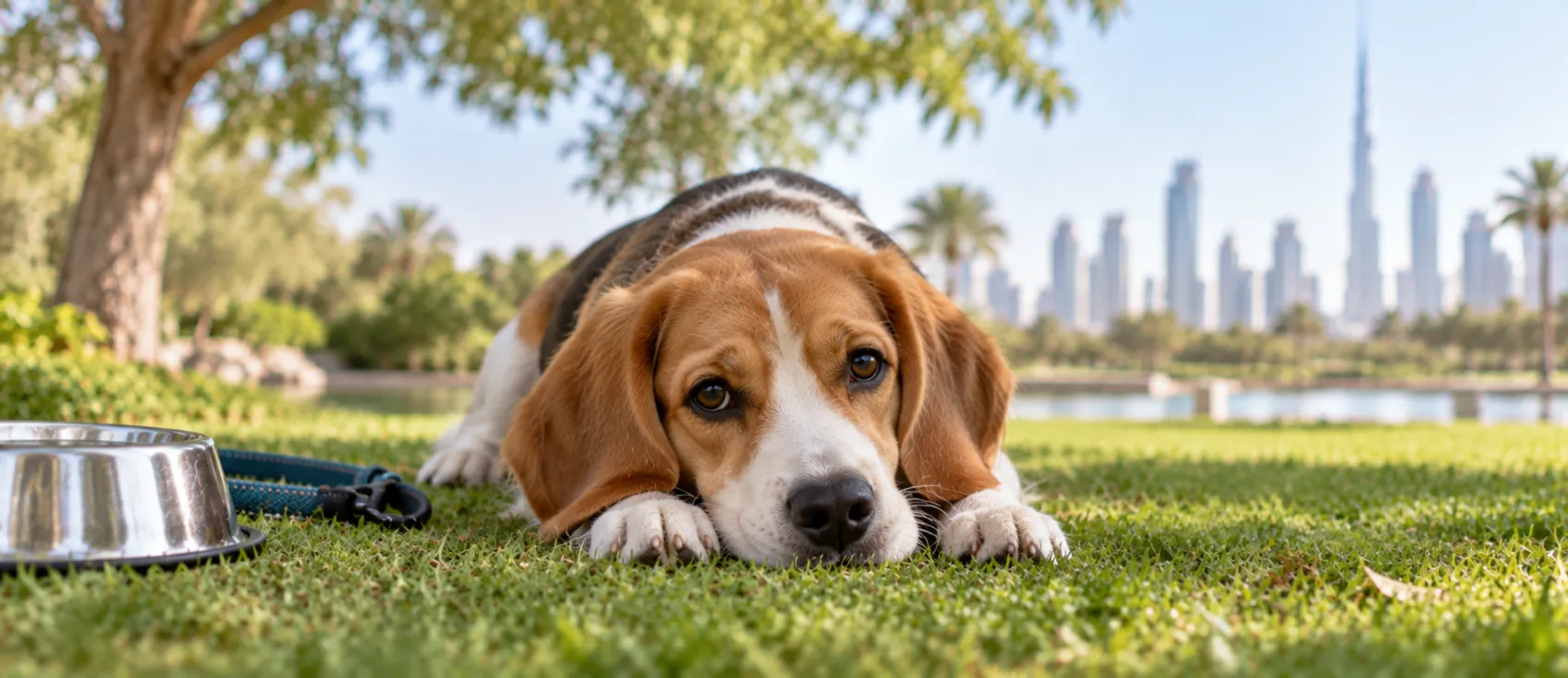
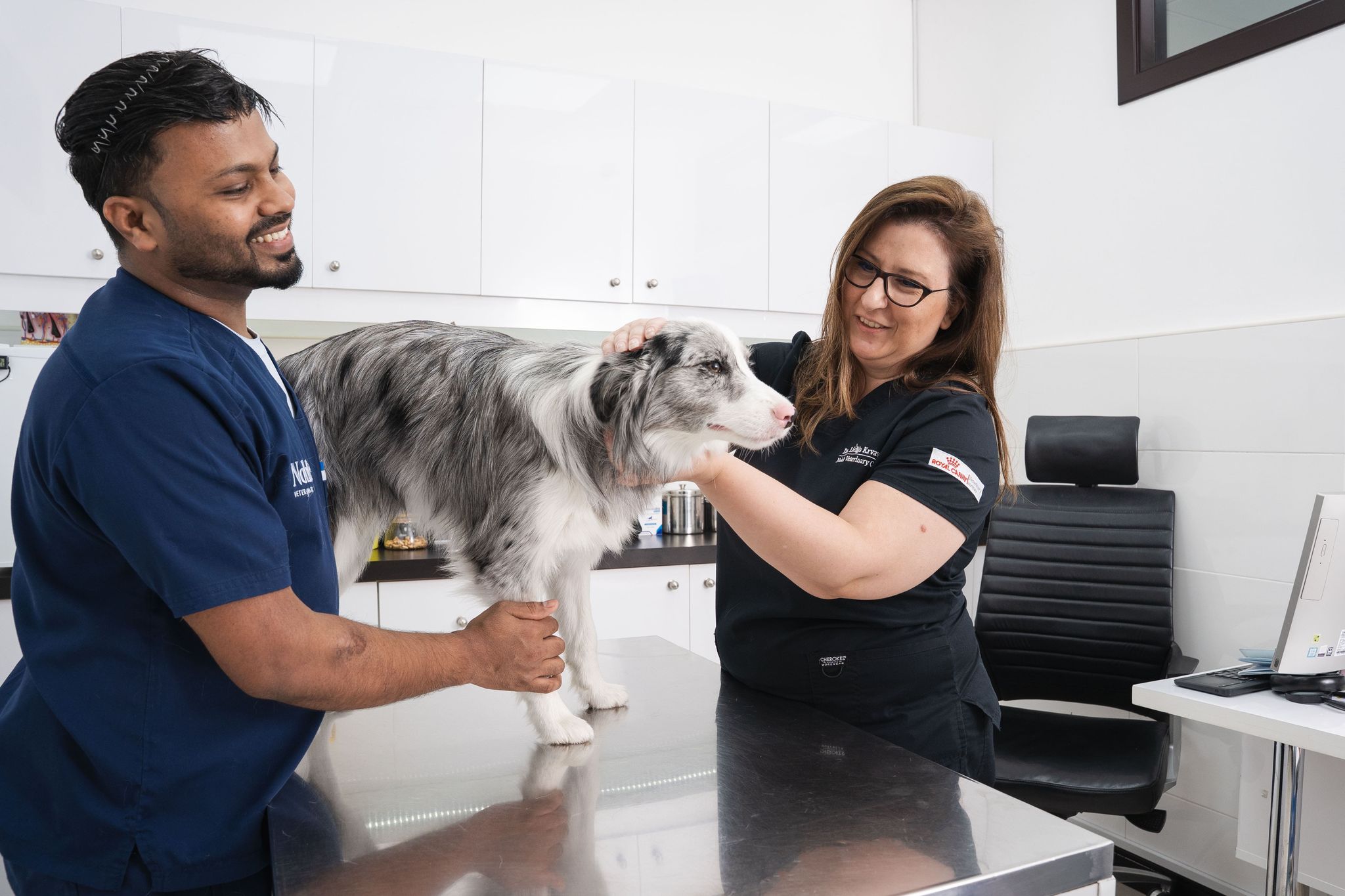
Dog being evaluated by a veterinarian for possible Giardia in dogs.

The parasite is more common than most people think. Giardiasis a serious condition that causes extreme discomfort for dogs and can be dangerous for puppies and senior dogs. When left untreated, the situation can get out of hand. 

In this guide, we’re going to share everything there is to know about Giardia in dogs, from what it is to how it’s prevented.

What Is Giardia in Dogs?

Giardia is a microscopic protozoan that infects a dog’s intestines, causing a condition known as giardiasis. Unlike worms, which are larger and often visible in a dog's stool, Giardia is too small to see without a microscope. 

This parasite exists in two forms:

  • Trophozoites. These live in the intestines and feed on nutrients, multiplying rapidly.

  • Cysts. These infectious trophozoites are shed in the dog's feces. They can survive in the environment for weeks to months.

When the parasites enter the dog’s body, they attach to the intestinal walls and start reproducing. From here, they can cause several digestive issues. 

Giardiasis is a widespread condition that can affect dogs of all ages. Puppies, seniors, and dogs with compromised immune systems are vulnerable. 

What Are the Symptoms of Giardia in Dogs?

The symptoms of Giardia in dogs include general signs and gastrointestinal distress.

  • Diarrhea. The most common symptom of this disease in dogs is diarrhea. Canine diarrhea resulting from giardiasis often has a soft, watery, or greasy consistency. It may also contain mucus. The stool may also have an unusually strong, foul odor.

  • Weight Loss. Because Giardia interferes with nutrient absorption, infected dogs may experience gradual weight loss despite eating normally. This is a major concern in puppies because they need proper nutrition for growth and development.

  • Vomiting. Some dogs may experience occasional vomiting, though this is less common than diarrhea. When it occurs, nausea, lip-smacking, or drooling may accompany the condition.

  • Dehydration. Frequent diarrhea can almost always lead to dehydration, particularly in puppies, old dogs, or dogs with weaker immune systems. The common indicators of dehydration include dry gums, excessive panting, and loss of skin elasticity.

  • Lethargy. Dogs with giardiasis may become less active and more tired than usual. Dehydration, nutrient loss, or the body's immune response to the Giardia infection can cause lethargy.

  • Abdominal Discomfort. Some dogs may exhibit signs of stomach pain or discomfort. This can be seen as whining, restlessness, or a hunched posture. Dogs can also experience bloating and gas.

  • Poor Coat Quality. Chronic giardiasis can cause a dull, rough, or thinning coat. This happens because of malnutrition and poor health.
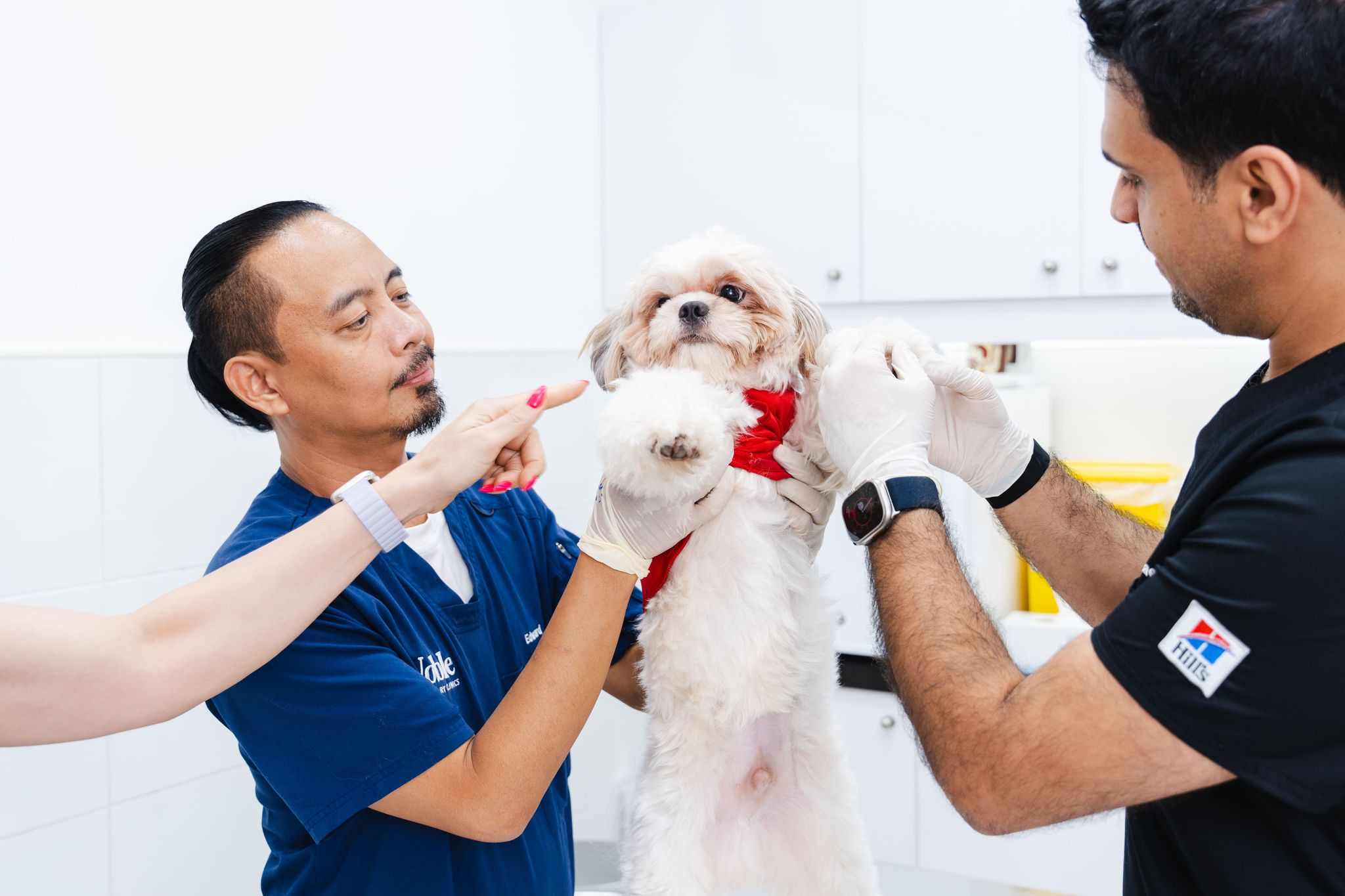
Veterinarian checking a dog’s health while assessing for the Giardia parasite, highlighting Giardia in dogs.

How Does a Dog Get Giardia?

Dogs get the parasite mainly through contaminated water, stool, environments, and fur. 

Drinking Contaminated Water

When dogs drink water from stagnant sources such as puddles and streams, they’re at risk of contracting Giardia and other parasites. The cysts enter the dog’s digestive system. Once inside, they can multiply and cause infection. 

Ingesting Infected Stool

Dogs may also get infected with Giardia by ingesting the stool from an infected animal. This can happen when they sniff, lick, or eat the feces while exploring outdoors.  

Contact With Contaminated Environments

Areas such as unhygienic kennels, shelters, and dog parks may harbor Giardia cysts left behind on soil, grass, and other surfaces. When dogs walk, play, or sniff these areas, they may pick up the parasites on their paws, fur, and mouth. 

Self-Grooming

When the Giardia cysts are present on the body after contact with contaminated water, soil, feces, or environments, a dog can get infected when it grooms itself.
Notice any of the signs?

Notice any of the signs?

Let's have your dog checked right away.

Let's have your dog checked right away.

How Is Giardia in Dogs Diagnosed?

We’ll start by examining your dog and reviewing their symptoms and medical history. From here, we’ll proceed to a few laboratory tests

  • Fecal ELISA Antigen Test. This highly sensitive test detects the specific Giardia proteins, even when the cysts are not visible under a microscope. 

  • Direct Smear. Our experts place a small sample of fresh stool on a slide and examine it under a microscope for this parasite. This test works best with exceptionally fresh samples but is not always conclusive.

  • Fecal Flotation Test. A standard fecal examination involves mixing a stool sample with a solution that helps separate parasite cysts. We then examine the sample under a microscope. However, since Giardia cysts are not always present in every sample, a single test may miss an infection.

  • PCR Testing. These tests can detect the parasite's DNA in your dog's stool sample. It’s considered one of the most accurate methods to confirm a Giardia infection in dogs. However, it does come at a higher cost. 

What Is the Giardia Treatment in Dogs?

The treatment plan will revolve around pet medications, environmental control, and supportive care.

Medications for Giardia

Our vets typically recommend two options: fenbendazole and metronidazole. Fenbendazole is one of the most commonly prescribed medications for Giardia in dogs. It’s generally well-tolerated and accepted by dogs, especially puppies. 

The second option is metronidazole. It’s another medication for Giardia, but some strains have been shown to be resistant to it. This is why fenbendazole is often the first choice for giardiasis. 

Supportive Care and Management

Because Giardia causes diarrhea and other symptoms, we’ll also help you manage these. Here are the important parts:

  • Hydration. We will administer IV fluids at the clinic to help your dog recover from dehydration. In mild cases, encouraging your dog to drink water at home will be enough. 

  • Digestive Support. A bland diet with no additives will also be recommended. This can be simple boiled chicken and rice. Probiotics for dogs can also support gut health and restore beneficial bacteria.

  • Home Cleaning. Sanitize the house and make sure to wash your dog's bedding, pillows, bowls, and toys in hot water with soap and pet-safe disinfectants. Also, bathe your dog regularly, especially at the rear end.

A follow-up fecal test will be scheduled around 4 to 7 days after finishing treatment. This helps us confirm that the infection is gone. 

Vet examining a dog for signs of the Giardia parasite during a Giardia in dogs health check.

Vet Tips: How to Prevent Giardia in Dogs?

Protecting your dog from Giardia starts by providing clean water, maintaining good hygiene, keeping the house clean, limiting exposure, and scheduling regular checkups. 

  1. Provide Clean Drinking Water

Give your dog plenty of fresh water at home. Don’t let them drink from puddles or standing water outside. These are hot spots for parasites. 

  1. Maintain Good Hygiene

In shared spaces, make sure to dispose of feces immediately. Clean your dog’s bowls daily with hot water and pet-safe disinfectants. Bathe your dog regularly, or you can have them professionally groomed.

  1. Keep Living Areas Clean

Regularly wash your dog’s beds, toys, and crates with hot water and pet-safe disinfectants. This reduces the chances of Giardia from the environment. 

  1. Be Cautious in High-Risk Areas

Unhygienic dog parks, kennels, and shelters are common places where the parasite spreads. If your dog spends time in these places, limit contact with other pets.

  1. Regular Checkups

Our wellness exams include fecal tests to detect parasites early, including Giardia. This is very helpful for puppies and dogs living with other pets at home. 

"A healthy dog starts with a strong gut, body, and smile."

- Dr. Mafalda Sardinha

Final Thoughts

Fortunately, Giardia in dogs can be managed and treated. It just takes immediate action and care. Since the protozoan spreads easily, proper cleaning and hygiene are just as important as medication to prevent reinfection. The best way to protect your dog from Giardia is through prevention.

Frequently Asked Questions

Can Giardia in dogs go away on its own?

Giardia infections may resolve on their own, but it's not guaranteed. Healthy dogs with strong immune systems may be able to recover on their own. Still, the disease causes symptoms such as dehydration, which requires vet care.

Can humans get this disease from dogs?

Yes, but the risk is relatively low. Giardia is transmitted by ingesting contaminated water and feces. Practicing good hygiene will significantly reduce the risk of infection.

How long does the parasite last in dogs?

Giardia infections in dogs will last 5 to 10 days with proper treatment. However, the parasite cysts may still be shed by the affected dog for weeks, increasing the risk of recurring infections.

How often should a dog bathe with Giardia?

Generally, dogs with Giardia will need a bath 1-3 times per week. This is important to remove the infectious cysts from the fur. Daily cleaning of the rear end and paws is also a great way to prevent reinfections.

Is there a specific diet for dogs affected by the parasite?

We recommend feeding a simple diet of boiled chicken and rice. This can fill them up without causing unnecessary digestive stress. You can also provide probiotics, plain pumpkin, and fresh water.

Share

Custom Icon
Custom Icon
Custom Icon

Subscribe to Our Newsletter

Sign up for weekly pet health tips and insights from our veterinarians.

Sign up for weekly pet health tips and insights from our veterinarians.

Wellness & Emergency Care

Book Appointment

Worried about your pet?

We’re here for urgent care, wellness checks, or anything in between. 

Get the best Vet care for your pet

© 2006-2026 Noble Veterinary Clinics

Your veterinary practice, always here

© 2006-2026 Noble Veterinary Clinics

© 2006-2026 Noble Veterinary Clinics