Rabies in Cats: Transmission, Stages, and Prevention


Rabies in Cats: Transmission, Stages, and Prevention

Rabies in Cats: Transmission, Stages, and Prevention

Updated Date

Updated Date

8 minutes

8 minutes

Dr. Lidija Krvavac

This article has been reviewed by Dr. Soheyl Simaei on May 26, 2026.

Do Cats Have Rabies? Symptoms and Prevention

In This Article

In This Article

Key Takeaways

Rabies in cats is a highly contagious viral disease with no definitive cure, making vaccination crucial for prevention.

The virus presents with clinical signs between 10 days and 1 year, with 3-8 weeks being common. Death is expected 3-10 days after symptom onset. 

Only a direct fluorescent antibody test is capable of accurately diagnosing rabies in cats, but it can only be performed post-mortem.

Summary

Rabies is a deadly disease that affects the nervous system and is nearly 100% fatal once the symptoms appear. The virus is highly contagious and fatal within 3-10 days of symptom onset. 

As the disease progresses, cats may experience significant behavioral changes, excessive drooling, weakness, and paralysis.

How do cats get a rabies infection?

Cats exclusively contract rabies through infected animal bites. The virus is active in saliva, and when your cat is bitten, it can easily enter their body. An infected animal's saliva can also cause rabies when it comes into contact with broken skin, open wounds, and mucous membranes.

The rabies virus travels along nerves to the spinal cord and brain. Here, it causes substantial damage to the central nervous system before spreading to other parts of the body. Rabies transmission is an extreme risk for cats and humans.

Prevalence in the UAE

In the United Arab Emirates, reported cases of rabies in domestic cats are rare, largely due to strict pet import laws, widespread vaccination campaigns, and effective municipal control over stray animal populations.

However, the risk is still not zero. Occasional outbreaks involving stray and domestic animals, especially unvaccinated cats and dogs, have prompted local authorities to issue reminders about the importance of keeping pets vaccinated.

Several countries have been declared rabies-free through sustained vaccination and control programs. To support this global cause, it's essential to ensure your cat's rabies vaccination is always up to date.
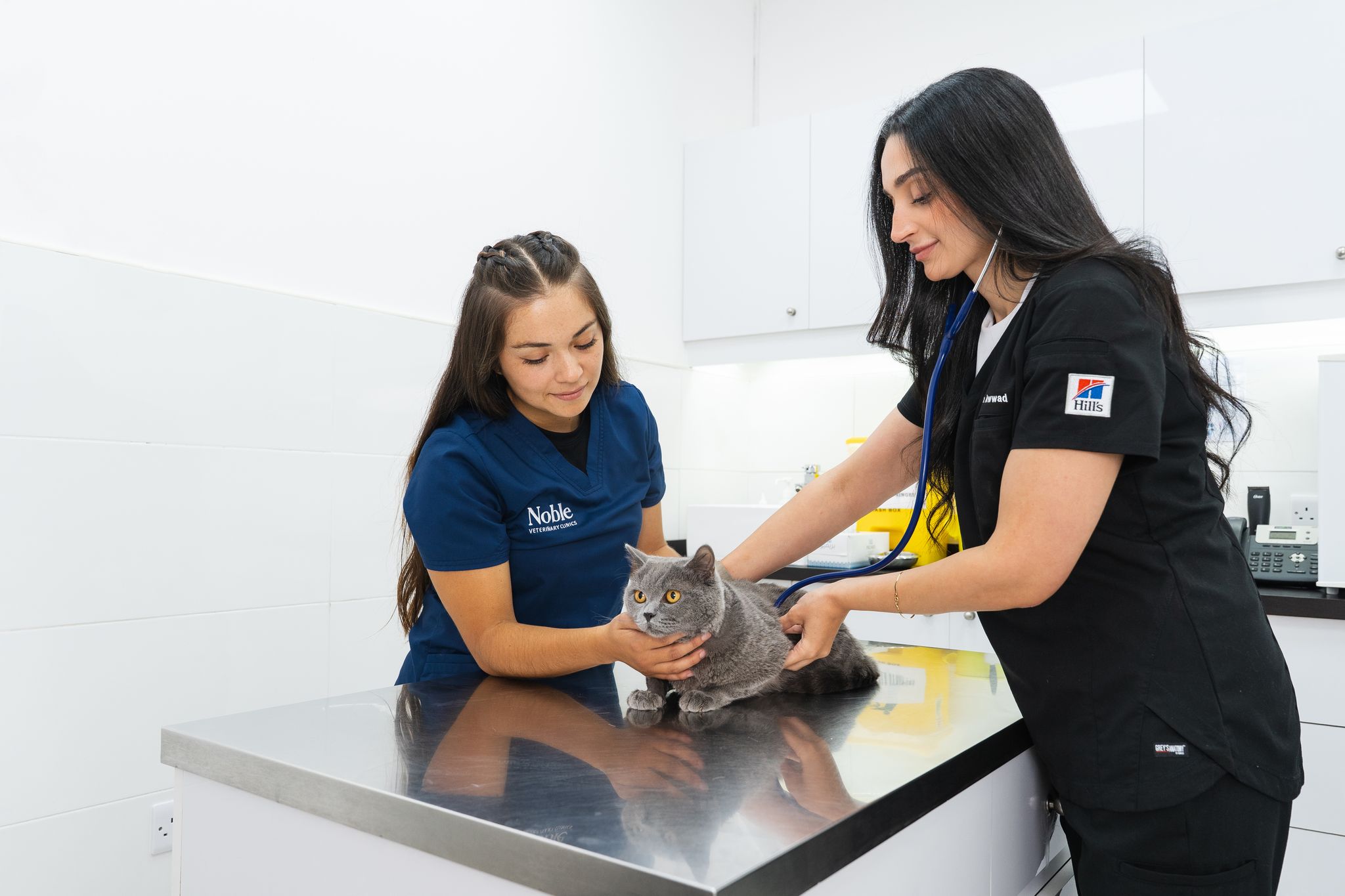
Two veterinarians are evaluating a cat's symptoms for rabies.

Clinical signs of rabies in cats

After exposure to the rabies virus, there will be an incubation period. This is the time before the symptoms begin to show. For cats, it's typically 3-8 weeks. In rare cases, symptoms may appear as early as 10 days or take several months to develop.

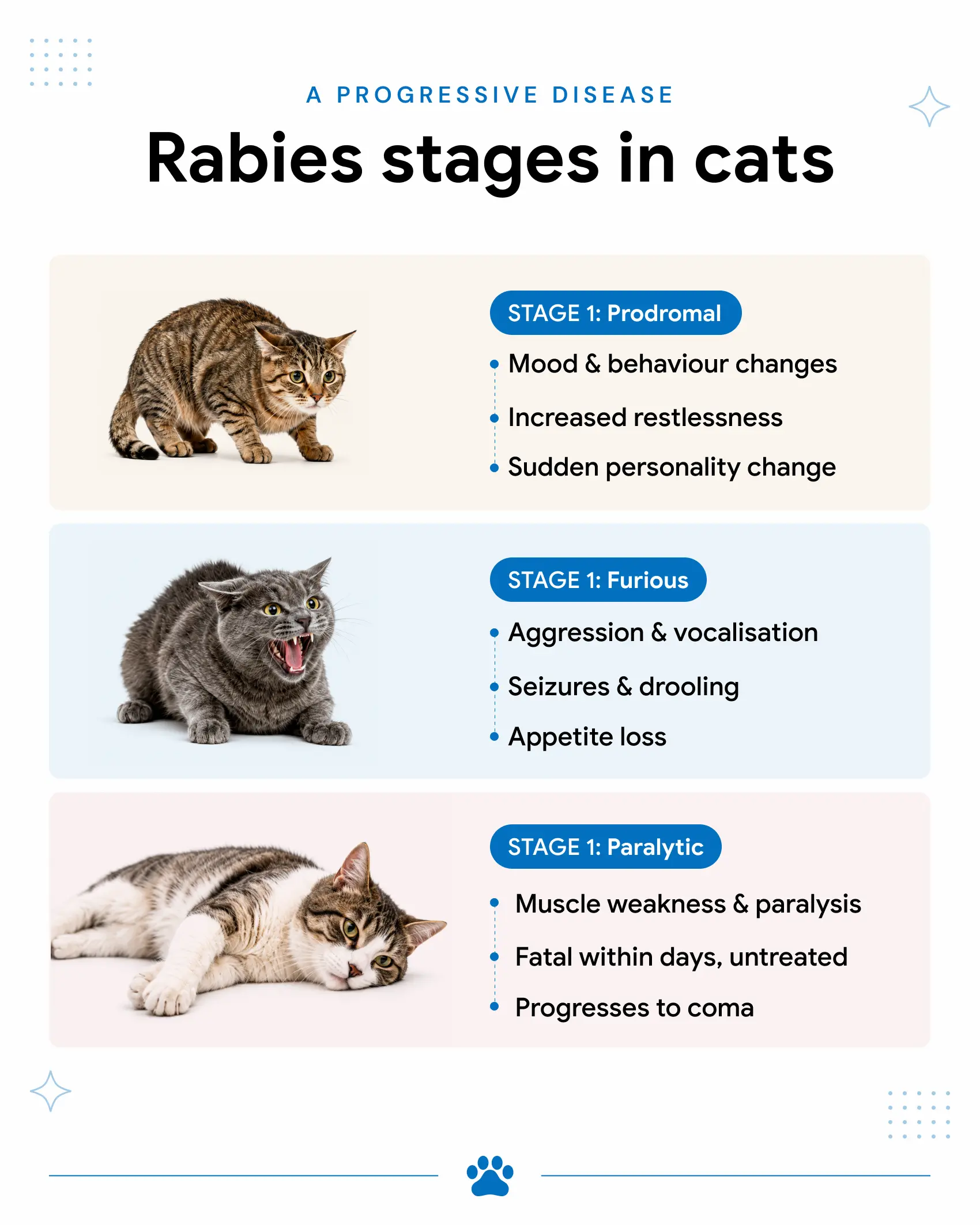
Rabies in cats progresses in stages. Here's an overview explained by Dr. Soheyl:

1. Prodromal Stage (1-3 days)

This is the initial stage of a rabies infection in cats, which typically lasts for about 1-3 days. The prodromal stage is characterized by small and subtle changes in your cat’s behavior. Common examples include:

  • Originally shy cats may appear aggressive, while outgoing cats may become withdrawn

  • Cats may fixate on their wounds and start licking, scratching, or biting them

  • Persistent or uncharacteristic changes in meowing

  • Heightened reactions to light, sound, or even touch

  • General signs such as loss of appetite, fever, and lethargy

2. Furious Stage (1-7 days)

The second stage of the rabies virus's progression. This stage lasts 1-7 days and is the period with the most extreme symptoms and clinical signs, hence the nickname "mad dog" stage. Symptoms include:

  • Extreme aggression and unprovoked attacks, such as biting and scratching

  • Hypersensitivity to any form of stimulus, such as light, loud noises, or touch

  • Attacking invisible objects or getting confused about surroundings

  • Abnormal vocalizations such as hissing, growling, and yowling

  • Dilated pupils, excessive drooling or foaming at the mouth, and an anxious posture

  • Physical convulsions or muscle tremors

3. Paralytic Stage (2-4 days)

In the final stage of the symptoms, which generally lasts 2-4 days, the cat infected with rabies will get progressively weaker until it becomes paralyzed. This is why it's also known as the "dumb stage."

At this time, the rabies transmitted has completely altered the brain and continues to spread throughout the cat’s body. The main symptoms are:

  • The lower jaw hangs open, appearing like a yawn

  • Weakness starts in the hind legs and progresses to other parts

  • Labored breaths, choking, and respiratory failure due to paralysis of the muscles

  • Unresponsiveness and death

An infographic showing the progression of rabies in cats.

Looking to protect your cat from rabies?

Looking to protect your cat from rabies?

Book a consultation today.

Book a consultation today.

Diagnosing Rabies in Cats

Rabies diagnosis is challenging because the virus is evaluated based on symptoms alone, and the early signs often overlap with other diseases. If an infection is suspected, it's crucial to bring your cat to the clinic for an evaluation by our veterinarians.

Direct fluorescent antibody test

The definitive way to diagnose rabies is by performing a post-mortem brain exam using the direct fluorescent antibody (DFA) test. The virus cannot be diagnosed in a living animal.

Having your cat's brain examined is crucial. It's done by collecting a sample of brain tissue, specifically from the brainstem, hippocampus, and cerebellum, because this is where the rabies virus concentrates.

This sample is pressed onto glass slides to create a smear, which is then fixed in cold acetone. Next, it's incubated with fluorescently labeled anti-rabies antibodies. If the virus is present, the antibodies bind to the viral antigens and appear "apple-green" under a fluorescence microscope.

Veterinarian examination

At the clinic, our veterinarians will identify the classic clinical signs of rabies in cats, such as behavioral changes, weakness, and drooling. If a cat is suspected of exposure, we'll notify MOCCAE. 

Since rabies is incurable and fatal, this may lead to quarantine or humane euthanasia to protect the community and public safety.

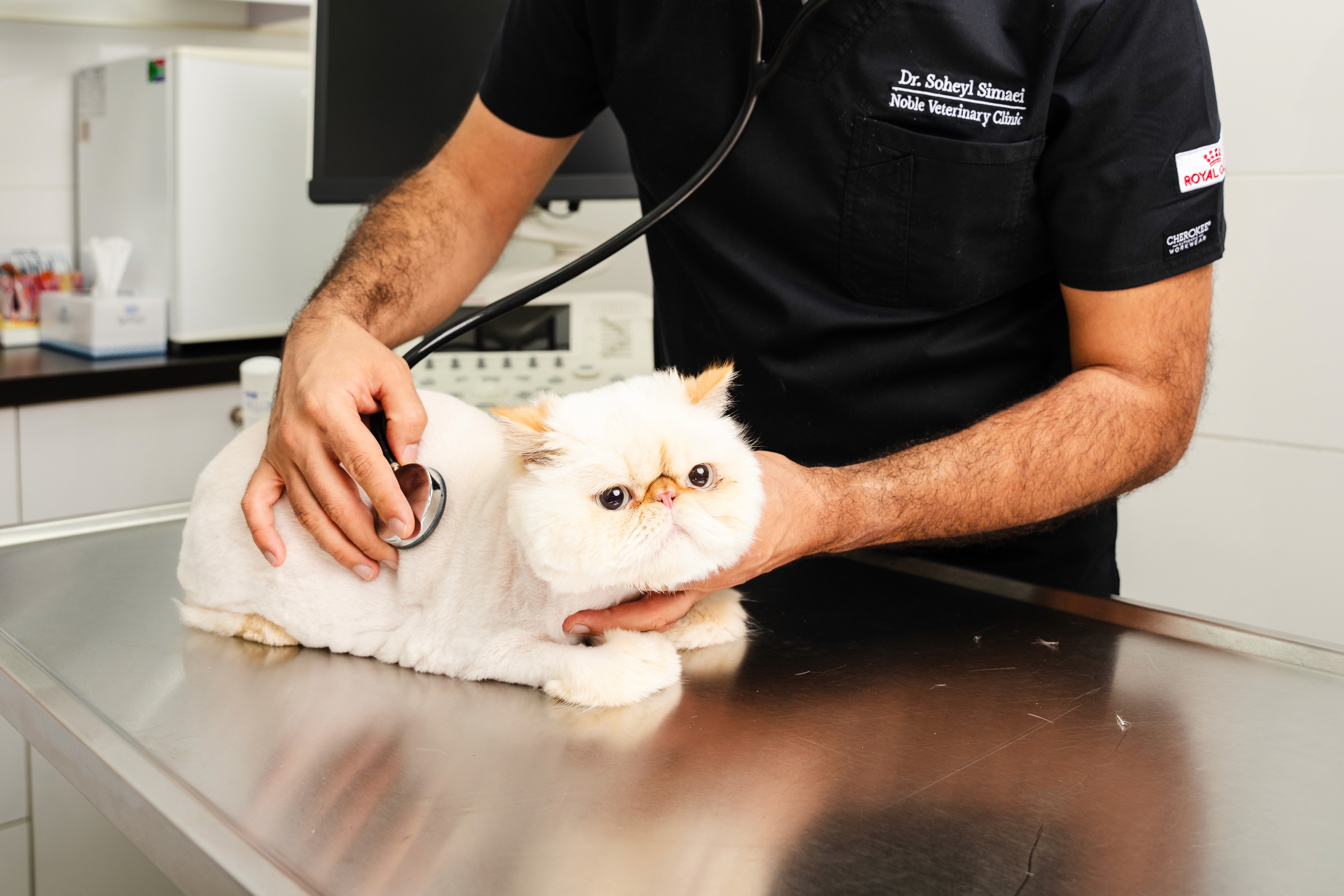
A veterinarian is examining a cat inside the clinic before the rabies vaccination procedure.

Treatment

Unfortunately, there is no effective treatment once clinical signs appear. It's crucial to seek immediate care if you notice bites, scratches, or any changes in your cat's body.

If your cat is vaccinated but has been exposed, then our vets may administer an additional booster shot to prompt the immune system to fight the virus. The rabies vaccine is an effective preventive measure against the virus. However, it's not a definite treatment option after rabies exposure.

Unvaccinated cats exposed to the virus must undergo strict quarantine for up to six months under the supervision of local authorities. If your cat has been bitten by a wild animal or even a domestic pet, contact our vets immediately.

Euthanasia of a Rabid Cat

For cases where cats have been exposed and are showing symptoms, they will be humanely euthanized to protect public health and avoid significant health risks to other pets.

Humane euthanasia is done by sedating the cat to safely render it free of pain or stress. Once the cat is asleep or unconscious, a lethal dose of barbiturate anesthetic is injected intravenously. This helps cats peacefully pass away.

How to prevent feline rabies?

Animal rabies prevention is crucial to avoid exposure. It's done by scheduling your cat's vaccinations early on. Cats should get vaccinated against rabies when they are between 12 and 16 weeks of age. A booster vaccine is essential one year later, followed by annual boosters for routine care.

Due to the severity of rabies and the limited sources of treatment, vaccination is required by law in most countries, including the UAE. This significantly helps reduce cases of the viral disease and prevents further complications before it is too late.

Additionally, keeping your cat indoors can help prevent and control rabies by avoiding interactions with stray cats and wild animals. Never approach or attempt to handle stray animals, even if they seem friendly.

It's also a good idea to have your cat spayed or neutered to reduce their urge to roam outside, decreasing their chance of encountering infected animals.

“Rabies is one of the most heartbreaking and preventable diseases we see. A single vaccine can mean the difference between life and irreversible loss. We urge all cat parents to stay proactive.”

- Dr. Lidija Krvavac

Rabies prevention is not just for cats but for the entire community. It's best to stay prepared and keep your cat protected from this viral disease. With consistent vaccination and routine care, you'll effectively safeguard the health and happiness of your feline companion.

Frequently Asked Questions

How likely is a cat to have rabies?

The overall risk is low, especially in countries with strict vaccination laws, such as the UAE. However, it’s not impossible. Cats that roam outdoors, especially in areas with stray or wild animals, are at higher risk if they are not vaccinated. Routine vaccination significantly reduces the chances of rabies in domestic cats.

How likely is a cat to have rabies?

The overall risk is low, especially in countries with strict vaccination laws, such as the UAE. However, it’s not impossible. Cats that roam outdoors, especially in areas with stray or wild animals, are at higher risk if they are not vaccinated. Routine vaccination significantly reduces the chances of rabies in domestic cats.

How long are infected cats in quarantine for?

If an unvaccinated cat is exposed to a rabid animal, strict quarantine will be required for up to six months. If a vaccinated cat is exposed, then a booster vaccine will be administered along with strict isolation for 45 days.

How long are infected cats in quarantine for?

If an unvaccinated cat is exposed to a rabid animal, strict quarantine will be required for up to six months. If a vaccinated cat is exposed, then a booster vaccine will be administered along with strict isolation for 45 days.

What should I do if I get bitten by a cat with rabies?

Wash the wound immediately with soap and running water for at least 15 minutes. Go to the nearest animal bite center for a medical evaluation. Cat bites are deep puncture wounds, which is why the risk is high.

What should I do if I get bitten by a cat with rabies?

Wash the wound immediately with soap and running water for at least 15 minutes. Go to the nearest animal bite center for a medical evaluation. Cat bites are deep puncture wounds, which is why the risk is high.

What should I do if I think my cat was exposed to the virus?

Wear protective gloves and long sleeves before handling them. Isolate them in a secure room or carrier to prevent attacks on family members or other pets. Next, call our veterinarians as soon as possible for a medical evaluation. Be sure to use a secure carrier when transporting your cat.

What should I do if I think my cat was exposed to the virus?

Wear protective gloves and long sleeves before handling them. Isolate them in a secure room or carrier to prevent attacks on family members or other pets. Next, call our veterinarians as soon as possible for a medical evaluation. Be sure to use a secure carrier when transporting your cat.

Are there side effects to the vaccine?

Yes, the vaccine may cause side effects, but they are minimal and will resolve within 24-48 hours. Common side effects include mild fever, lethargy, and slight soreness at the injection site. In very rare cases, facial swelling, hives, vomiting, difficulty breathing, and sudden collapse are possible.

Are there side effects to the vaccine?

Yes, the vaccine may cause side effects, but they are minimal and will resolve within 24-48 hours. Common side effects include mild fever, lethargy, and slight soreness at the injection site. In very rare cases, facial swelling, hives, vomiting, difficulty breathing, and sudden collapse are possible.

Share

Share

Custom Icon
Custom Icon
Custom Icon

Subscribe to Our Newsletter

Sign up for weekly pet health tips and insights from our veterinarians.

Sign up for weekly pet health tips and insights from our veterinarians.

Wellness & Emergency Care

Book Appointment

Worried about your pet?

We’re here for urgent care, wellness checks, or anything in between. 

At Noble Vet Clinic, we support lifelong pet wellness and the relationships that make it meaningful.

We’re Hiring! Let’s transform the future of veterinary care together.

We’re Hiring! Let’s transform the future of veterinary care together.

We’re Hiring! Let’s transform the future of veterinary care together.

We’re Hiring!

© 2006-2026 Noble Veterinary Clinics

Noble Vet Clinics logo
Your veterinary practice, always here
Instagram icon
Facebook icon
LinkedIn icon
TikTok icon

© 2006-2026 Noble Veterinary Clinics

Noble Vet Clinics logo

Policies

Contact Us

DIP - 8am to 9pm
JLT - 10am to 7pm

Jumeirah -

Mon-Fri: 8am to 8pm

Sat-Sun: 9am to 6pm

© 2006-2026 Noble Veterinary Clinics