Worms in Cats: Common Types, Symptoms, and How to Treat Them


Worms in Cats: Common Types, Symptoms, and How to Treat Them

Worms in Cats: Common Types, Symptoms, and How to Treat Them

Dr. Mafalda Sardinha

Published Date

Published Date

10 minutes

10 minutes

Custom Icon
Custom Icon
Custom Icon

Parasites are always bad news for our pets, and they’re more common than many people think. Even cats who stay entirely indoors are at risk. These parasites can show up in your cat’s poop, cause stomach problems, or just make your cat feel off.
A veterinarian is holding a white cat on a metal table before a checkup for worms.

So, if you’ve noticed your best friend acting strangely or showing even the subtlest signs of discomfort, worms might be the problem. 

In this guide, we’ll show you the basics. From the types of worms cats can expect, all the way to how to prevent them. 

What Are the Types of Worms in Cats?

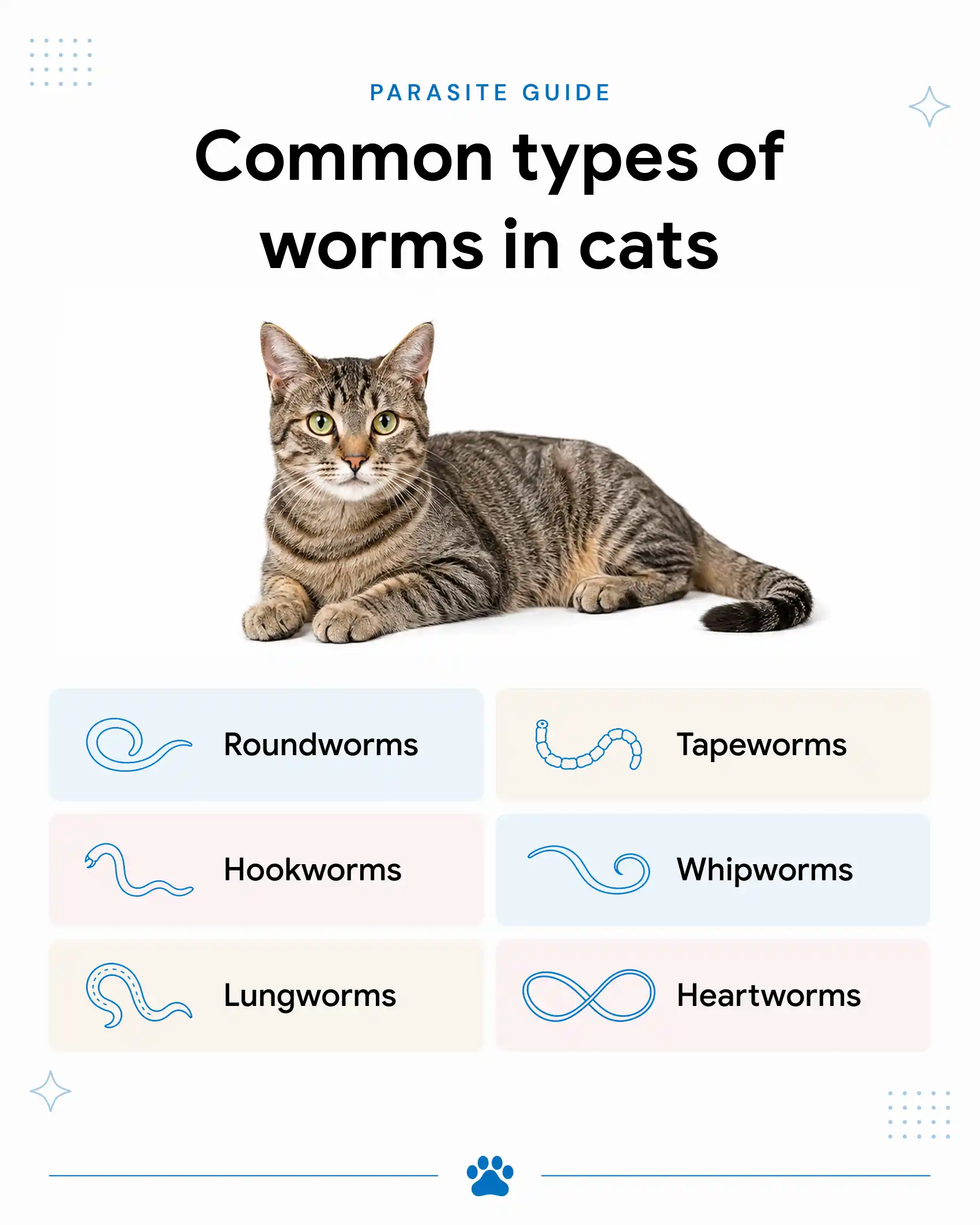
Worms are parasites that live inside a cat’s body. They feed off your cat’s nutrients and can cause diseases. Along with this, they can cause irritation and organ damage, which is a severe complication. Here are the common types of worms in cats

Roundworms

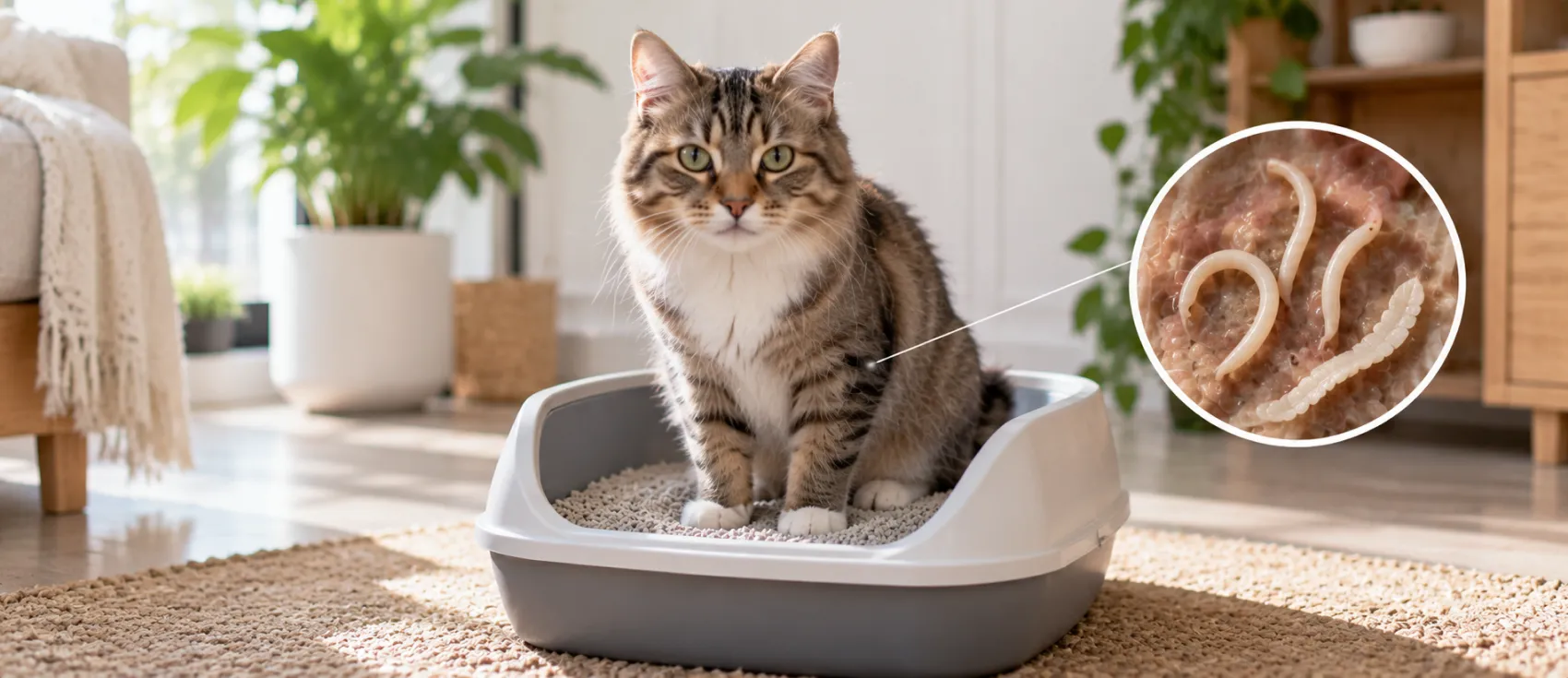
Roundworms are the most common parasitic worms in cats. The worms themselves look like long, white, spaghetti-like parasites. They are about 3 to 5 inches long. 

These worms live in the cat’s intestines, where they steal nutrients. They are particularly prevalent in kittens, mostly because of their underdeveloped immune systems. Since they interfere with nutrient absorption, they can also get in the way of a cat’s growth and energy levels. 

Cats can get roundworms by ingesting the eggs from contaminated environments, such as soil, feces, and organic matter. They can also get them from eating infected prey, which can be a concern if your cat frequently goes outside. 

Additionally, infected mothers can pass the larvae to their kittens through their milk during nursing.

The usual symptoms of roundworms in cats are: 

  • Bloated or swollen belly

  • Vomiting and diarrhea

  • Lethargy and weight loss

  • Poor coat condition

  • Visible worms in the stool

Tapeworms

Tapeworms are also a common parasite in cats. They are flat, segmented worms that attach to the walls of the small intestine. While they can grow long, the multiple segments, called proglottids, can break off. These look like grains of rice and are often seen in your cat’s feces. 

Because they reside within the cat’s small intestines, they pose a significant problem for growth and development. So, even though your cat is eating normally, they can still lose a considerable amount of weight and energy. 

Cats can get tapeworms by swallowing fleas while grooming themselves. They can also get these parasites by eating infected raw meat and prey. Mother cats can also pass tapeworms through the placenta or milk. 

The signs of a tapeworm infection in cats include:

  • Small, white segments in poop or near the anus

  • Scooting or licking of the rear

  • Increased appetite without weight gain

  • Mild gastrointestinal issues

  • Restlessness and discomfort

Hookworms

Hookworms are another type of worm in cats. These are small and thin worms, just about half an inch. They attach to the cat’s intestinal lining by using their signature hook-like mouthparts. Unlike other types, these worms feed on your cat’s blood. Hookworms are also common in kittens.

Because these parasitic worms in cats feed on blood, they are extremely dangerous. When untreated, this can result in significant blood loss and anemia. 

Cats can get hookworms mainly by ingesting them in the environment. Since the eggs are shed in the feces, contaminated water, soil, and feces are huge concerns. A cat can get infected by walking into contaminated spaces and then grooming itself.

Cats can also get these parasites by consuming infected animals. Plus, hookworms can also be transmitted through the milk of their mothers.

Common signs include: 

  • Pale gums or tongue

  • Bloody or dark stool

  • Weight loss despite normal appetite

  • Weakness, low energy, and lethargy

  • Poor coat condition

Whipworms

Whipworms are thin, whip-shaped worms that live in the large intestine and cecum. The cecum is essentially the area where the small and large intestines meet. 

These worms in cats cause inflammation and irritation, leading to chronic gastrointestinal issues. They aren't that prevalent compared to other cat worms, but they're still dangerous. 

The main way cats can get whipworms is by ingesting their eggs through contaminated water, feces, and soil. Also, another mode of transmission is when they groom themselves after their bodies have been exposed to these elements. 

Whipworm eggs are hardy and can survive in the environment for long periods of time, which means cleaning your home regularly will be an important preventive routine.

The signs of whipworms in cats include:

  • Vomiting and discomfort

  • Diarrhea with mucus or blood

  • Abdominal pain

  • Dehydration

  • Anemia and lethargy

Lungworms

These worms in cats target the respiratory system, causing damage deep in the lung tissue, windpipe, and bronchi. Common types include Aelurostrongylus abstrusus and Capillaria aerophilus

Cats can get lungworms when they ingest the larvae from the environment, most commonly from hunting and eating infected prey. This includes rodents, birds, lizards, and frogs. They can also get infected by lungworms when they swallow snails, slugs, earthworms, or water that carries the parasite. 

Once the lungworms get into the cat, they travel from the intestinal tract to the bloodstream, where they settle in the lungs. This is where they develop into adults and start causing issues within.

Common signs of lungworms in cats include: 

  • Persistent coughing

  • Breathing problems

  • Sneezing and nasal discharge

  • Reduced activity and lethargy

  • Poor appetite

Heartworms

Heartworms are parasitic worms in cats that look like spaghetti. While cats are often less ideal hosts compared to dogs, they can also be affected. Hearworms cause serious respiratory disease, heart failure, and even sudden death. 

Transmission begins when a mosquito bites an infected animal and picks up the larvae. Once they reach a cat and start feeding on the blood, they transmit the larva to the cat. Cats are also resistant hosts, so most worms do not survive adulthood. 

Instead, they may die in the lungs, causing heartworm-associated respiratory disease. If they survive, they reside in the heart and lungs, causing severe organ damage.

Common signs include: 

  • Chronic coughing, gagging, or open-mouth breathing

  • Lethargy and weight loss

  • Fainting and seizures

  • Intermittent vomiting

  • Sudden collapse or death

A veterinarian in a is petting a white cat after a checkup for worms.

Can Kittens Get Worms?

Yes, kittens can most certainly get worms, and they’re even more prone than adult cats. This is because their immune systems are still developing. Plus, they still haven’t received the routine deworming medications they need. 

Another factor is their mother. If a mother cat is infected, her kittens can get worms through the placenta or the milk itself.
Do you notice any of the signs?

Do you notice any of the signs?

Let's get your cat treated right away.

Let's get your cat treated right away.

How Do Vets Check for Worms in Cats?

The only way to know for sure if your cat has worms is to test for them. 

Fecal Exam

In most cases, this means a trip to the clinic and a few fecal exams. Since the worms reside in the intestinal area, their eggs will be shed in the feces. 

The sample can be collected at home or during the physical exam at the clinic. The most common method vets use is a fecal flotation test. Here, your cat’s stool sample will be mixed with a special solution that lets the eggs of the worms float up to the surface. 

This works since the solution is denser than the parasite’s eggs. A coverslip is then placed to collect the eggs. This is examined under a microscope. While there are other methods, this is the most straightforward test to determine parasitic worms in cats. It’s also highly reliable and effective.

Baermann Technique

This method is an accurate method for diagnosing infections caused by lungworms. It works by isolating the live larvae from the fresh feces. This happens when the warm water causes the parasites to sink, making them easy to collect from the bottom and identify microscopically. 

Diagnostic Imaging

Technologies such as ultrasound and X-rays may be used to assess lung damage and cardiac changes, and to directly visualize the worms. This is useful for diagnosing heartworms in cats.

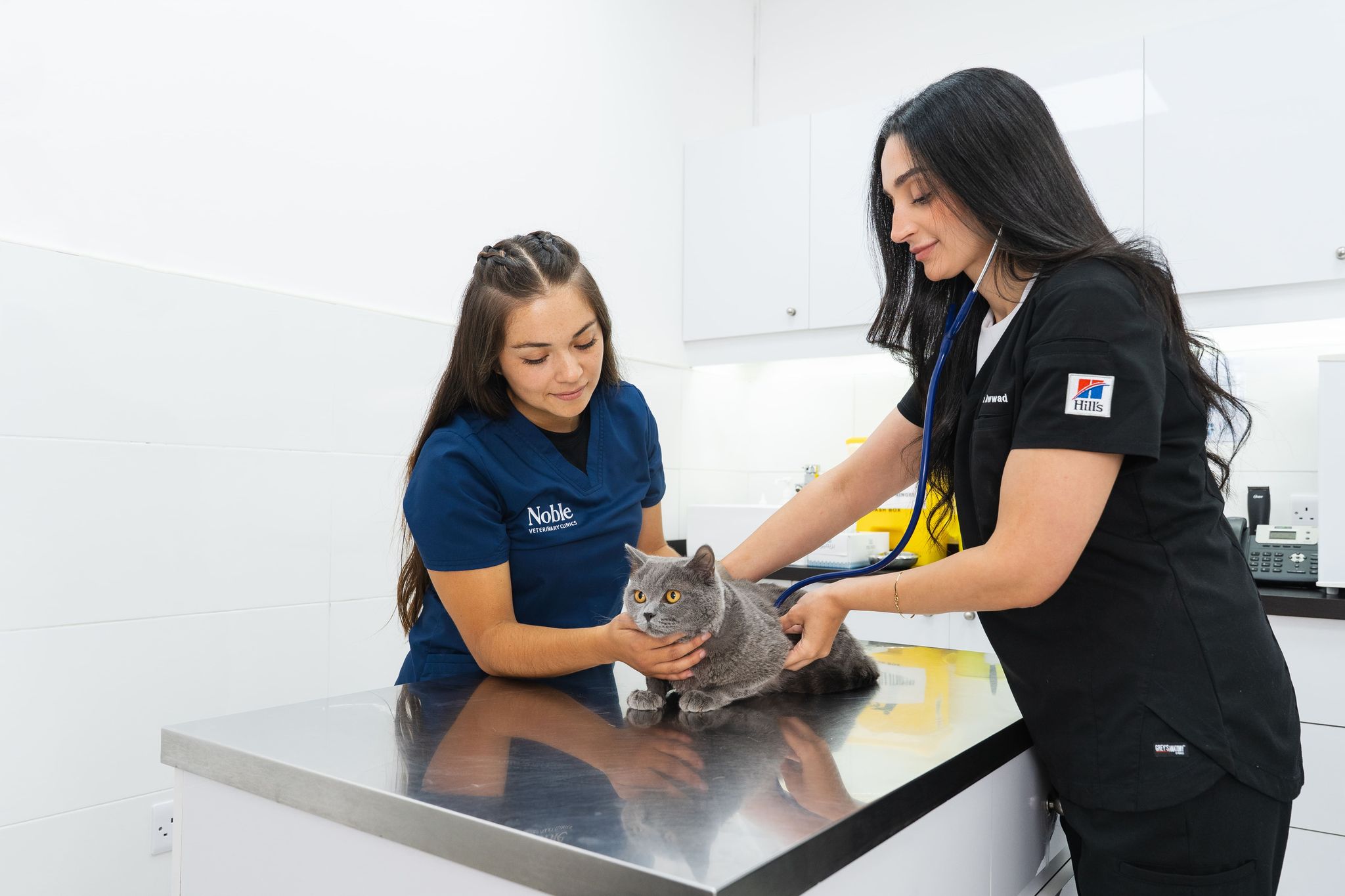
Two veterinarians are holding a gray cat and checking its conditon after a worm problem.

How to Treat Worms in Cats?

Once we identify the type of worm your cat has, we can proceed to provide the appropriate treatment option. Medications will mostly be the main option for treating worms in cats. 

Dewormers

Dewormers are safe, effective, and reliable. These are great as they can be given orally, topically, or through injections. 

Pyrantel pamoate is a commonly used oral deworming medication for roundworms and hookworms. This medication works by paralyzing the worms. By doing so, they can be easily flushed out when your cat poops. Pyrantel pamoate has chewable and liquid forms.

Tapeworms require a different medication, called praziquantel. This dewormer damages the tapeworm’s outer layer, disintegrating and eventually eliminating it. It’s available in oral and topical forms. Epsiprantel is also another medication used to eliminate tapeworms by damaging the parasite. 

While whipworms and lungworms are less common in cats, fenbendazole is the most commonly used medication for them.

Supportive Care

Alongside your cat’s dewormers, we’ll also provide several medications to relieve your cat's symptoms and promote recovery. Usually, this will include anti-inflammatories, pain medicines, and anti-diarrheals.

In some cases, we may need to administer IV fluids to correct dehydration and restore hydration levels. For cats with critical conditions, hospitalization will be advised for further monitoring. 

Supportive care is also the main method of treatment for cats with heartworms, as there is no approved drug for it. 

Home Treatment for Worms in Cats​

While there’s a lot of talk online about several natural remedies, they’re not a replacement for dewormers. The most you can do at home is to make sure your cat recovers smoothly after taking the treatment. 

Provide a Safe Space

Start by providing a safe space for your cat to rest and recover. This area has to be clean and comfortable, with a nearby water bowl.

Nutritional Support

Supporting your cat’s digestive health with probiotics and a balanced diet can also help them recover faster during and after deworming. It’s part of the entire supportive care process. 

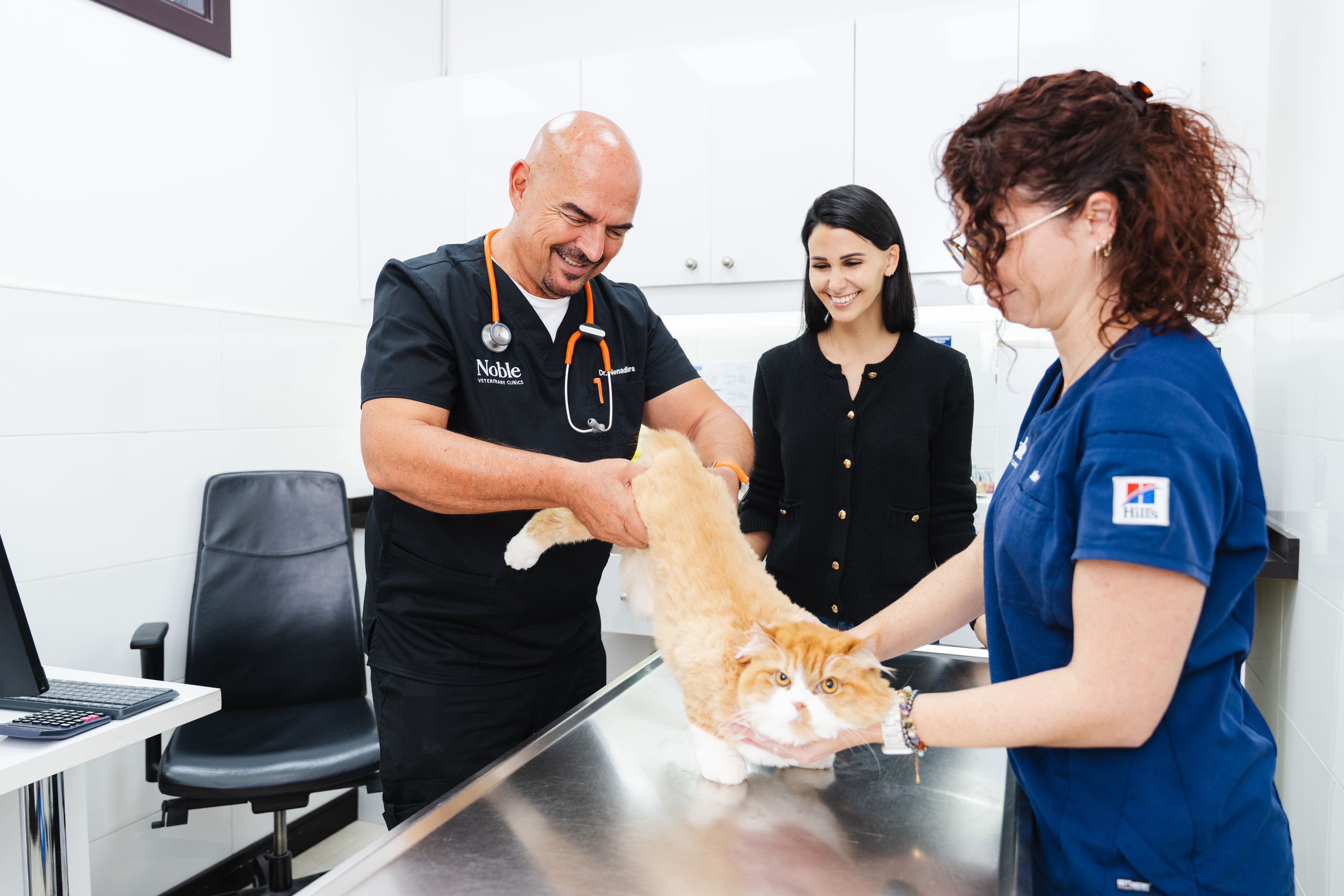
The vets are checking an orange cat's rear for worms. The pet owner is also present and listening to advice.

How Long Can a Cat Live With Worms?

A cat with worms can live for several months, even years. However, their quality of life wouldn’t be that great. Untreated worms in cats can lead to severe health problems. This includes dehydration, anemia, malnutrition, and even death. 

Vet Tips: How to Protect Your Cat From Worms

Worms can be dangerous, and the best way to avoid them is with a good prevention routine. With an efficient strategy, you can prevent the discomfort and pain these parasites cause.

  1. Schedule Regular Deworming 

Regular deworming is a big part of a cat’s routine care and an essential step for kittens. You should get your cat dewormed around the age of 4 weeks. From here, our vets can recommend the most suitable deworming schedule for your cat. 

  1. Use Flea Control

Alongside the treatments for keeping worms at bay, cats should also have regular flea preventives. Fleas are the main way cats get tapeworms, so preventing fleas is a surefire way to protect your cat against these parasites. 

  1. Keep the Home Clean

Always keep the house clean and sanitized. Make sure you focus on the bedding, blankets, and pillows your cat uses. Plus, it's also good to regularly clean your cat's toys, litterboxes, and bowls. 

Steam cleaning is considered one of the most effective ways to remove the worms and their eggs. Plus, it’s a non-toxic method.

  1. Practice Good Hygiene

Regular grooming is also another way to prevent parasites and other diseases. Even if your cat solely stays indoors, you'll still need to stay on top of their hygiene. If you need help, our professional groomers can assist.

  1. Visit the Clinic 

Even if your cat seems healthy, routine exams and stool tests can help catch parasites early before they cause any trouble. Have your cat examined during its deworming appointment to make the most out of your trip.

“Worms may be invisible, but the damage they cause isn’t. Stay ahead with prevention.”

- Dr. Mafalda Sardinha

Final Thoughts

Worms in cats are dangerous, but also easily preventable. Through a regular deworming schedule and a clean home, you can keep your cat safe from these parasites. It only takes a small part of your day to keep your best friend happy for years to come.

Frequently Asked Questions

Are cat worms harmful to humans?

Yes, some types of worms in cats, such as roundworms and hookworms, can be passed to humans through contact with contaminated feces, litter, or fur. This happens when humans handle the contaminated material and touch their mouths.

Can indoor cats get these parasites?

Yes, even cats that live strictly indoors can get worms through fleas, household pests, and even human clothing, items, and shoes.

Can I deworm my cat myself?

Yes, you can deworm your cat by yourself. But you must first visit the clinic to inquire about the most appropriate deworming medications and schedule for your cat. From here, our vets will guide you on what to use and when to administer the medication.

Can I touch my cat if it has worms?

Yes, you can touch your cat even if it has worms. Just avoid putting your hands on your mouth and wash your hands right away after handling them. Always practice good hygiene in these cases.

Will these parasites go away on their own?

No, worms in cats don’t go away on their own. While a cat’s immune system is able to manage the load, they need medical treatment to fully recover.

Share

Custom Icon
Custom Icon
Custom Icon

Subscribe to Our Newsletter

Sign up for weekly pet health tips and insights from our veterinarians.

Sign up for weekly pet health tips and insights from our veterinarians.

Wellness & Emergency Care

Book Appointment

Worried about your pet?

We’re here for urgent care, wellness checks, or anything in between. 

Get the best Vet care for your pet

© 2006-2026 Noble Veterinary Clinics

Your veterinary practice, always here

© 2006-2026 Noble Veterinary Clinics

© 2006-2026 Noble Veterinary Clinics