Cat Ear Infection: The Basics for Pet Owners in Dubai


Cat Ear Infection: The Basics for Pet Owners in Dubai
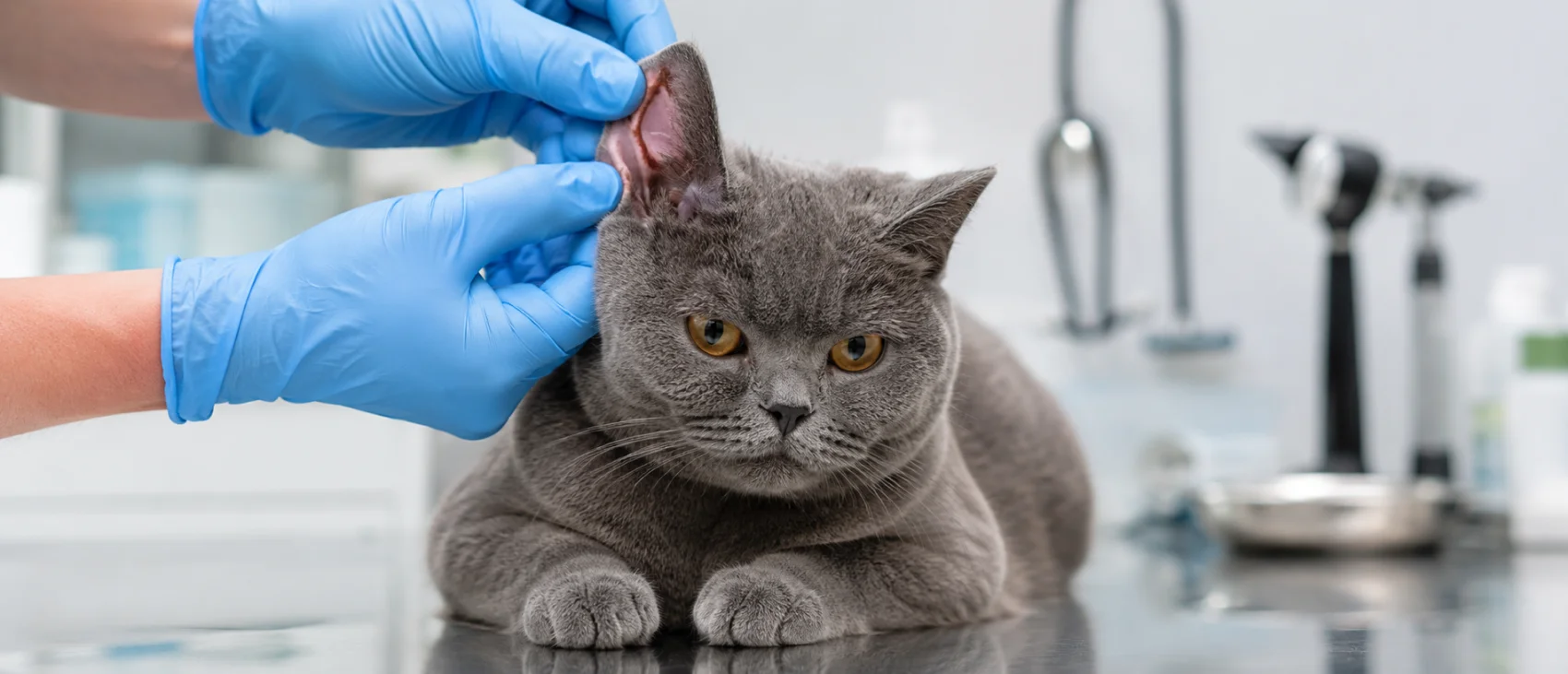
Cat Ear Infection: The Basics for Pet Owners in Dubai

Updated Date

Updated Date

7 minutes

7 minutes

A cat is sitting on the ground while trying to scratch its ears.

Key Takeaways

Treating external ear infections is crucial for preventing their progression to middle and inner ear infections.

Ear mites are the most common cause of cat ear infections.

Prevention includes regular ear checks and cleaning, parasite preventive treatments, and allergy management.

Summary

A cat ear infection, clinically known as otitis, is an inflammation of the ear canal. It may be limited to the outer ear (otitis externa) or affect deeper structures, such as the middle ear (otitis media) or the inner ear (otitis interna).

The deeper the infection travels, the more serious the consequences. While infections in cats are less frequent than in dogs, they're often more complex when they do occur.

Because of Dubai’s local climate and environment, cat ear infections are a serious concern. 

Early Signs

Healthy ears are typically pale pink, while infected cat ears look irritated and dirty.

Cats don't often show signs of pain, which is why we recommend taking a close look at even the smallest of indicators. Common ones include:

  • Frequent head shaking or tilting

  • Scratching at one or both ears

  • Scabbing or hair loss

  • Ear inflammation, redness, warmth, or visible swelling

  • Foul odor emanating from the ear canal

  • Ear discharge (yellow, brown, or black, often waxy or gritty)

  • Sensitivity or pain when touched near the ears

  • Changes in behavior like hiding, irritability, or seeming off

In severe cases, especially during middle and inner ear infections, cats may experience:

  • Ataxia (loss of balance or trouble walking)

  • Nystagmus (involuntary side-to-side eye movements)

  • Uneven pupil size

  • Walking in circles or disorientation

  • Hearing loss

  • Facial paralysis

Seek veterinary care without delay. Painful ear infections can progress quickly and cause ongoing discomfort and chronic problems. Early treatment is crucial.

Types of Ear Infections

Not all types are created equal. In most cases, outer ear infections can progress to middle and inner ear infections when left untreated.

Type

Area Affected

Severity

Otitis Externa

Outer ear canal

Mild to moderate

Otitis Media

Area behind the eardrum

Moderate to Severe

Otitis Interna

Deep inner ear structures

Severe

Common Causes

Ear infections in cats are primarily caused by ear mites, bacteria and yeast, allergies, ear polyps, excessive ear wax, foreign bodies, and underlying diseases.

Ear Mites

Ear mites are the number one cause of cat ear infections. These problematic parasites cause intense itching, present dark, crumbly debris, and can easily spread from one cat to another. Ear mite infestations are common in Dubai, especially in kittens.

Bacterial or Fungal Infections

Cat ear infections develop from bacterial or fungal infections. These often arise when an underlying issue triggers inflammation or excess moisture. They're almost always a secondary reaction to a primary cause.

Allergies

Allergic reactions trigger inflammation in the ear canal, accelerating excess earwax production and creating a moist environment for bacterial and fungal overgrowth. This can come from fleas, food, and environmental allergens.

Allergies are a common concern in Dubai, especially due to the region’s climate, sandy and dusty environment, and year-round use of air conditioning, which brings mold and dust mites.

Ear Polyps

Tumors or growths can obstruct the ear canal, easily trapping moisture and wax that significantly contribute to cat ear infections.

Foreign Bodies or Trauma

Any foreign material, such as blades of grass, small toys, and sharp objects, can get lodged in the ear canal and cause irritation. This leads to swollen tissues, open cuts, and severe infections.

Underlying Conditions

Many systemic conditions, such as diabetes, autoimmune diseases, FeLV, and FIV, can make cats more susceptible to an ear infection. A weak immune system from a more serious underlying cause is a concern.

A white and black cat is sitting down and trying to scratch its ear using its leg.

Which Cats Are at Risk?

Scottish Folds are particularly at risk because of their signature folded ears. They create a narrower canal that can more easily trap wax and moisture, leading to bacterial or fungal overgrowth.

Persians and Himalayan cats are also prone to ear infections because of their flat faces and skin folds.

Other long-haired cats are also at risk because their coat easily traps dirt, allergens, and debris.

Cat ear infections are also common for those with access to gardens, parks, and outdoor spaces.

Young cats, especially rescues or those without regular parasite control, are extremely vulnerable to ear mites, which lead to ear infections.

Additionally, cats with allergies or weakened immune systems are also at risk.

Worried your cat might an ear infection?

Worried your cat might an ear infection?

Book an appointment with us today.

Book an appointment with us today.

Diagnosing Chronic Ear Infections in Cats

Our vets will perform a physical exam to check the affected ear for common symptoms. We'll use an otoscope to look down into the ear canal and eardrum to identify potential issues. This process may require sedation to promote comfort and avoid injury.

We'll collect a swab of the ear debris for microscopic examination, allowing us to identify bacteria, yeast, or ear mites for an accurate diagnosis.

For recurring ear infections, a culture and sensitivity test may be performed. This involves growing the bacteria to identify the exact strain and determine the most appropriate antibiotic for treatment.

Diagnostic imaging is recommended for middle ear infections and severe cases, including ruptured eardrums, deep infections, and balance issues.

Treatment

Ear cleaning is often the first step in treating ear infections, as medications cannot effectively penetrate thick debris. Sedation is often included because the procedure can be painful, especially when cleaning the deep parts of the ear canal.

Depending on the cause, we may use these targeted treatments:

  • Topical or in-ear antiparasitic medications for ear mites

  • Medicated antibiotic or antifungal ear drops for bacteria and yeast, respectively

  • Immunotherapy or elimination diet trial for allergies

  • Surgery for tumors and foreign bodies in the ear canal

  • Corticosteroids to reduce swelling and relieve pain

  • Oral medications or injectable antibiotics for middle and inner ear infections

In standard cat ear infections, it will take 7-14 days for healing and improvements. However, severe cases, such as middle or inner ear infections, may take several weeks to months to resolve. 

The full course of medication for each specific treatment must be followed through to promote healing and prevent recurrence.

How to Prevent Ear Infections in Cats

Check the ears weekly, including your cat's ear canal opening and ear flap. Healthy cat ears should be pale pink, odorless, and have no visible debris. Clean your cat's ears every 2-4 weeks using a vet-approved ear cleaning solution. Make sure to wipe them dry.

We also recommend scheduling parasite preventive treatments to keep your cat safe from ear mites. Managing allergies is also essential to prevent chronic ear issues. Work with our vets on the most effective plan. We can also teach you the proper way to clean your cat's ears.

“Ear infections in cats are often overlooked until they cause severe discomfort. Once you notice subtle symptoms, bring them over so we can detect early signs and secure a speedy recovery."

- Dr. Mafalda Sardinha

Frequently Asked Questions

Can a cat’s ear infection heal on its own?

No, these won't heal on their own. They require veterinary treatment to provide relief, address the underlying issue, and stop the disease's progression.

Are there complications when left untreated?

Yes, cats with severe ear infections often experience aural hematomas, balance issues, and ruptured eardrums. These issues require significant treatment and recovery times.

Should I isolate my cat if they have an ear infection?

If the cause is ear mites, then we recommend keeping your cat away from other pets. However, bacterial and yeast infections aren't generally contagious to other pets.

Are these considered an emergency?

Early-stage infections aren't, but they should be treated as urgent cases. However, infections that have spread to the inner ear are emergencies.

Can indoor cats get ear infections?

Yes. While they are significantly less prone compared to outdoor cats, indoor cats can still develop ear infections through allergic reactions, polyps or tumors, and foreign objects.

We're Glad You're Here

We're Glad You're Here

We're Glad You're Here

Get 150 AED Off Your Pet's First Visit

Share

Share

Custom Icon
Custom Icon
Custom Icon

Subscribe to Our Newsletter

Sign up for weekly pet health tips and insights from our veterinarians.

Sign up for weekly pet health tips and insights from our veterinarians.

Wellness & Emergency Care

Book Appointment

Worried about your pet?

We’re here for urgent care, wellness checks, or anything in between. 

At Noble Vet Clinic, we support lifelong pet wellness and the relationships that make it meaningful.

We’re Hiring! Let’s transform the future of veterinary care together.

We’re Hiring! Let’s transform the future of veterinary care together.

We’re Hiring! Let’s transform the future of veterinary care together.

We’re Hiring!

© 2006-2026 Noble Veterinary Clinics

Noble Vet Clinics logo
Your veterinary practice, always here
Instagram icon
Facebook icon
LinkedIn icon
TikTok icon

© 2006-2026 Noble Veterinary Clinics

Noble Vet Clinics logo

Policies

Contact Us

DIP - 8am to 9pm
JLT - 10am to 7pm

Jumeirah -

Mon-Fri: 8am to 8pm

Sat-Sun: 9am to 6pm

© 2006-2026 Noble Veterinary Clinics