Conjunctivitis in Dogs: A Guide on Dog Pink Eye


Conjunctivitis in Dogs: A Guide on Dog Pink Eye

Conjunctivitis in Dogs: A Guide on Dog Pink Eye

Dr. Nenad Misura

Published Date

Published Date

12 minutes

12 minutes

Custom Icon
Custom Icon
Custom Icon

Conjunctivitis is one of the most common eye problems in dogs, and it won’t be surprising if your best friend has it. It’s also known as pink eye, and it happens when the conjunctiva, the thin layer that spans the white part of the eyeball, gets inflamed. 
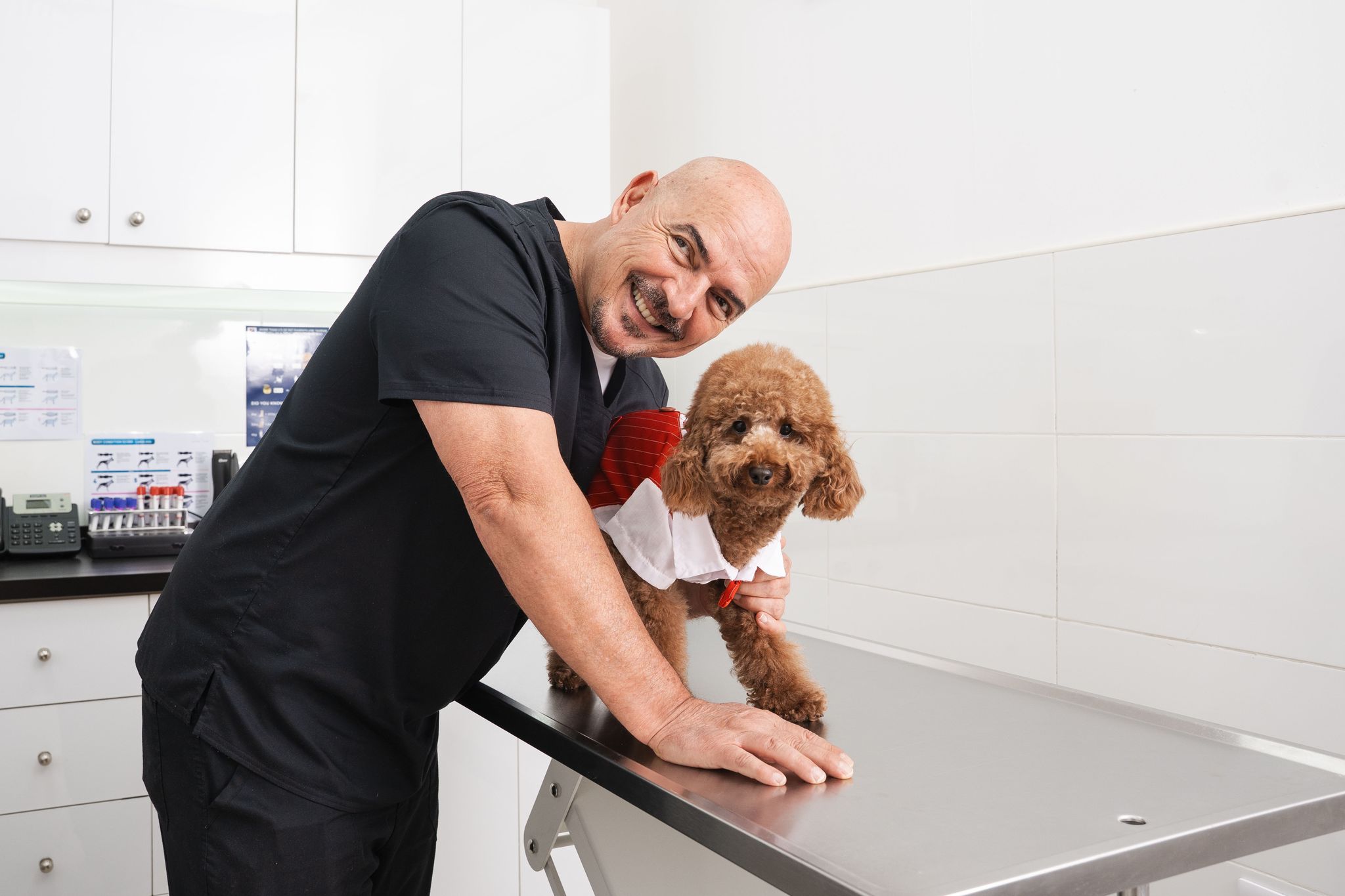
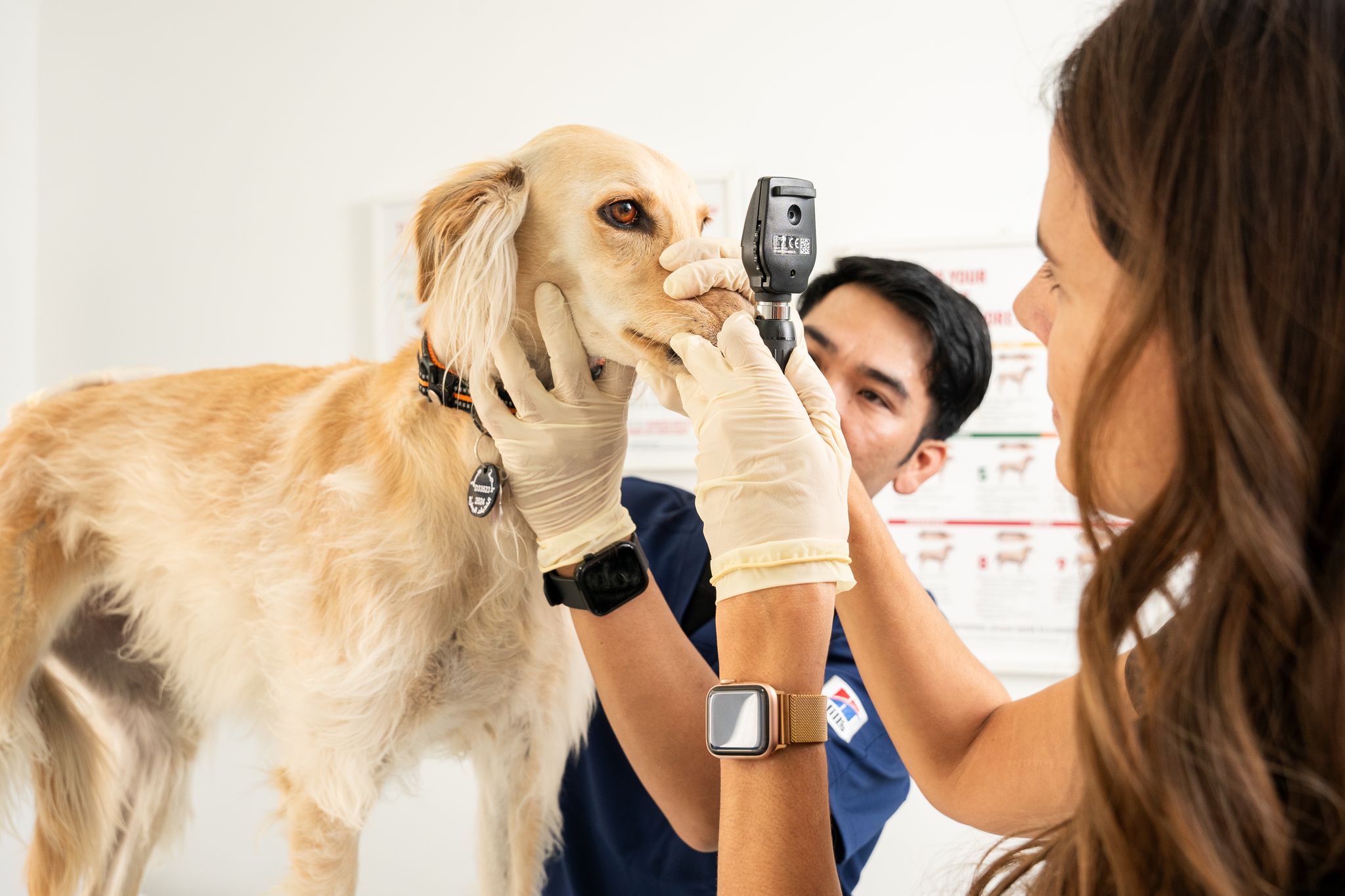
A veterinarian in a black shirt is leaning close to a brown dog before an eye exam.

Generally, healthy eyes look white and normal. But if a dog has conjunctivitis, its eyes will look red and swollen.  To help protect your dog against conjunctivitis, we’ll tell you everything about it, from its causes to how to treat conjunctivitis in dogs and how it’s prevented.

Key Takeaways

Conjunctivitis is the inflammation of the conjunctiva, the thin layer that spans the white part of the dog’s eyes.

It’s generally caused by infectious pathogens and non-infectious causes, including foreign bodies and trauma, allergens and irritants, and several eye conditions.

Pink eye is diagnosed through an ocular exam and several specialized tests. It’s treated with medication and supportive care. 

How Do You Know if Your Dog Has Conjunctivitis?

It can be quite straightforward to tell. Here are the common symptoms our veterinarians observe in dogs with pink eye. 

  • Redness and Swelling. Canine conjunctivitis causes a visibly red appearance due to the inflammation and increased blood flow to the area. Swelling may also appear around the eyes. 

  • Discharge from the Eye. Depending on the cause of conjunctivitis, a dog’s eyes can have discharge. Clear tearing is often from allergies and irritants, while green or yellow mucus suggests a bacterial infection.

  • Crusting Around the Eye. Crust can form around the eyes when the discharge dries up. These can cause increased irritation and make it harder for dogs to open their eyes. 

  • Squinting or Excessive Blinking. Dogs with conjunctivitis will start to squint and blink more frequently in response to the discomfort. 

  • Pawing at the Eye. In addition to frequent squinting, conjunctivitis can cause dogs to paw at their eyes in an attempt to relieve discomfort. However, this can worsen the issue and cause more damage. 

  • Sensitivity to Light. If your dog has conjunctivitis, you might notice them trying to avoid rooms with bright light. Some dogs may even start hiding.
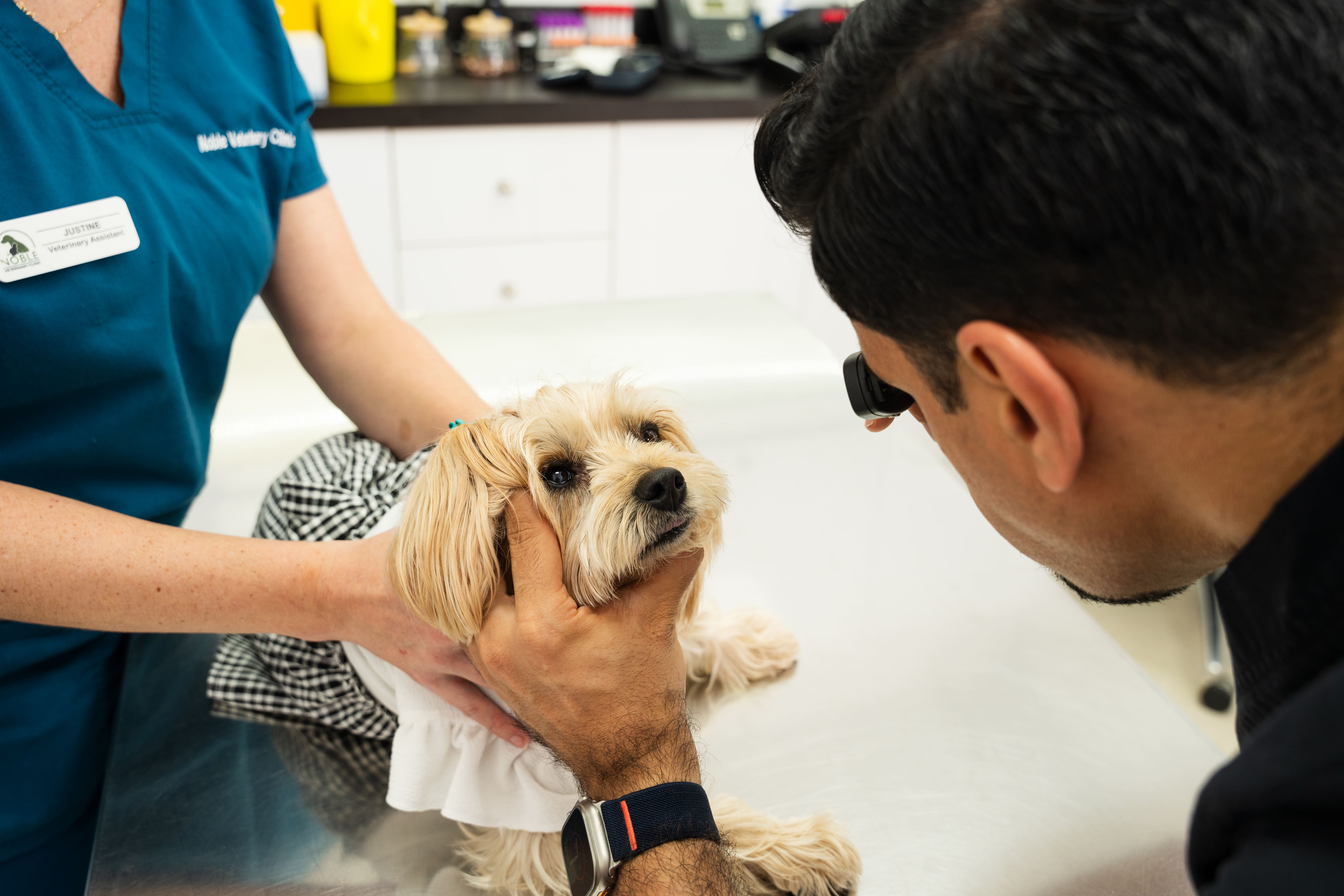
A veterinarian is looking closely at a dog's eyes using a tool. Another vet is holding the dog gently.

What Causes Conjunctivitis in Dogs?

Pink eye in dogs can be caused by infectious pathogens and non-infectious causes such as foreign bodies, trauma, environmental irritants, and several eye conditions. 

Bacteria

Bacterial conjunctivitis in dogs is most often caused by environmental bacteria such as Staphylococcus, Streptococcus, and Pseudomonas. It often occurs and develops as a secondary infection when the dog’s eye’s natural defenses are compromised. 

These bacterial infections can lead to serious clinical signs if untreated.

Viruses

Viruses are a common cause of pink eye in dogs. These infectious agents easily spread between dogs, causing both ocular and respiratory symptoms. Common examples include: 

  • Canine Distemper Virus. CDV is a major cause, often accompanied by other systemic and respiratory symptoms. They are also highly contagious. 

  • Canine Herpesvirus. CHV-1 directly infects the epithelial cells of the conjunctiva, resulting in cellular damage, tissue death, and inflammation. 

  • Canine Adenovirus. Both CAV-1 and CAV-2 can cause conjunctivitis in dogs, often with similar clinical signs.

Allergies and Irritants

Allergens such as pollen, dust, and mold can also be the reasons why your dog has conjunctivitis. Irritants such as smoke and chemicals may also trigger itching and inflammation, which may lead to this eye condition. 

Foreign Bodies and Injuries

Foreign material and trauma may also contribute to conjunctival inflammation through direct irritation and damage. When exposed, the eye easily harbors bacteria that cause secondary infections, leading to pink eye. 

Even something as small as sand and a few scratches can contribute, even potentially causing corneal ulcers.

Eye Conditions

Certain eye conditions may contribute to conjunctivitis by making the eyes more susceptible to infection. Common examples include: 

  • Eyelid Abnormalities. Conditions such as entropion, ectropion, and eyelid tumors may contribute by creating chronic physical irritation and inflaming the conjunctiva. 

  • Dry Eye. Reduced tear production may allow bacteria, allergens, and debris to cause inflammation and irritation. 

  • Uveitis. Inflammation from uveitis dilates the blood vessels in the sclera, making the eyes appear red. 

  • Glaucoma. Increased intraocular pressure restricts normal blood flow and dilates the blood vessels in the sclera, resulting in a red appearance and significant swelling. 

  • Corneal Ulcers. Physical damage irritates the surface of the eye, resulting in a painful and intense inflammation.

Which Dogs Are at Risk of Pink Eye?

Certain breeds are genetically more susceptible to conjunctivitis due to their eye shape. Brachycephalic dogs such as Pugs, Bulldogs, and Shih Tzus have more exposed eyes, making it easier for allergens or foreign objects to cause pink eye.

Breeds with skin folds are more likely to develop skin infections that may lead to conjunctivitis. Some dogs genetically predisposed to eye conditions may also be at higher risk.

Want to know how to protect your dog's eyes?

Want to know how to protect your dog's eyes?

Have a chat with one of our vets.

Have a chat with one of our vets.

How Do Vets Diagnose Conjunctivitis in Dogs?

To identify the condition, we will need to run a few tests and check for a few symptoms. Our pet eye specialists will handle everything. 

Physical Eye Examination

The first step is always an eye exam. Here, we examine your dog's eyes, eyelids, and the surrounding tissue. Our team will look for possible signs, such as swelling, discharge, or redness. Next, we can proceed to a few laboratory tests.

Eye Staining Test

An eye staining test, which uses orange dye and a special blue light, can help locate scratches or corneal ulcers on the surface of the eye. Any damage will be highlighted in bright green, making it easy to detect.

Schirmer Tear Test

If we think dry eye is the cause of your dog’s conjunctivitis, we may perform a Schirmer tear test. This will assess your dog’s tear production to see if it's suboptimal. It’s done by using a small strip of paper under the lower eyelid. Next, we measure the moisture produced.

Cytology and Culture

A cytology is performed by collecting a sample of cells from the conjunctiva for microscopic examination. From here, we can detect pathogens or inflammatory cells that may help us diagnose the condition. 

For more recurrent cases, a culture and sensitivity test will be done. This can help determine the specific pathogen and decide the best medication for it. 

Tonometry

This test allows us to measure the pressure inside your dog’s eyes, helping rule out glaucoma or severe inflammation. 

Allergy Testing

Identifies potential allergic reactions that might be causing allergic conjunctivitis. One method used is intradermal skin testing, which involves injecting a small, specific amount of allergen into the skin.

A veterinarian is using a tool to check the dog's eyes for conjunctivitis. Another vet is assisting by keeping the dog still.

What to Do if Your Dog Has Conjunctivitis?

Treatment for dog pink eye may consist of specific medications and supportive care. 

Medications

Generally, we use antibacterial eye drops and ointments, especially since bacteria are the common pathogens involved in canine pink eye. Common ones include Terramycin and Vetropolycin. 

To assist with recovery, our vets will provide anti-inflammatory eye drops if needed. These can help reduce the inflammation and promote comfort. 

If allergies are involved in your dog’s conjunctivitis, we will recommend oral antihistamines, steroids, or eye drops. The specifics will be determined after careful examination. 

Foreign Object Removal

If a foreign object is the cause of your dog’s swollen eyes, then our goal is to remove that object. This will be done under anesthesia for safety and comfort. 

Supportive Care

Another important part of the treatment process is supportive care. We’ll gently clean your dog’s eyes and show you how to do it at home. Our team will provide an E-collar to use at home to help prevent your dog from scratching their eyes. 

Recovery and Prognosis

Conjunctivitis in dogs is highly treatable, and the prognosis is generally very good and excellent. Most dogs may make a full recovery after 7-14 days of consistent treatment and monitoring. For severe cases of infection, recovery may take longer, even reaching 3 weeks.

Vet Tips: How to Prevent Pink Eye in Dogs? 

Follow these effective tips you can do at home to keep your dog safe from conjunctivitis. 

  1. Keep the Eyes Clean

Wipe any discharge from the eye with a damp, clean cloth to remove dirt, allergens, or discharge. Regularly clean their eyes, especially if they frequently go outside to play or exercise.

Always check on your dog's eyes weekly and clean them as needed. This is especially useful for dogs with long fur. 

  1. Avoid Environmental Irritants

Limit your dog’s exposure to smoke, dust, chemicals, and strong cleaning products. Make sure to hide any form of chemical away from your dog’s reach.  When administering eye medication, always wash your hands thoroughly before and after handling your pet.

  1. Have Your Dog Vaccinated Regularly

Routine vaccinations can help prevent viral infections, such as canine distemper, and lower the chance of pink eye in dogs. This can significantly reduce the risk of viral conjunctivitis. 

  1. Manage Your Dog’s Allergies

If your dog has any allergies, the best way to deal with them is to consult with us. Here, we can work on a strategy to help relieve the discomfort and find out the major causes. This process may include allergy testing, environmental changes, and medication. 

“A dog’s eyes express trust, curiosity, and love. Protecting the way they see the world starts with proper care and prevention.”

- Dr. Nenad Misura

Final Thoughts

Canine conjunctivitis is a common condition, but it is treatable. If you notice any of the signs, the best way to help your dog is to seek professional care. When we help our dogs with problems like these, we can help them live happy, healthy lives. 

Frequently Asked Questions

Will dog conjunctivitis go away by itself?

In some very mild cases of conjunctivitis, symptoms may resolve on their own, especially if caused by minor irritants. However, leaving it untreated is risky, as it can worsen or lead to complications like corneal ulcers or chronic inflammation of the conjunctiva.

Is this considered an emergency?

Conjunctivitis isn't always an emergency, but it can quickly become one if it causes severe pain, vision problems, or is linked to underlying immune system issues or foreign objects. If your dog is pawing at their eye, squinting, or the eye appears red and swollen, seek immediate attention.

Can food cause conjunctivitis in dogs?

Yes, in dogs with food sensitivities or allergies, certain ingredients can trigger allergic reactions. These allergies may result in a systemic inflammation that can indirectly cause watery eyes, redness, and swelling.

Is this painful for dogs?

Yes, pink eye is very painful and uncomfortable for dogs. It can cause significant irritation, making dogs scratch and paw at their eyes.

Is conjunctivitis contagious to other dogs?

Yes, infectious conjunctivitis caused by bacteria or viruses can easily spread to other dogs they are in close contact with. This is common in unhygienic shelters and boarding facilities.

Share

Custom Icon
Custom Icon
Custom Icon

Subscribe to Our Newsletter

Sign up for weekly pet health tips and insights from our veterinarians.

Sign up for weekly pet health tips and insights from our veterinarians.

Wellness & Emergency Care

Book Appointment

Worried about your pet?

We’re here for urgent care, wellness checks, or anything in between. 

Get the best Vet care for your pet

We’re Hiring! Let’s transform the future of veterinary care together.

We’re Hiring! Let’s transform the future of veterinary care together.

We’re Hiring! Let’s transform the future of veterinary care together.

We’re Hiring!

© 2006-2026 Noble Veterinary Clinics

Your veterinary practice, always here

© 2006-2026 Noble Veterinary Clinics

© 2006-2026 Noble Veterinary Clinics