DHPPi: Why It's Essential for Dogs in Dubai


Key Takeaways
DHPPi is required for local regulations and international travel.
It protects against distemper, hepatitis, parvovirus, and parainfluenza.
Puppies can get vaccinated with DHPPi as early as 6 weeks old.
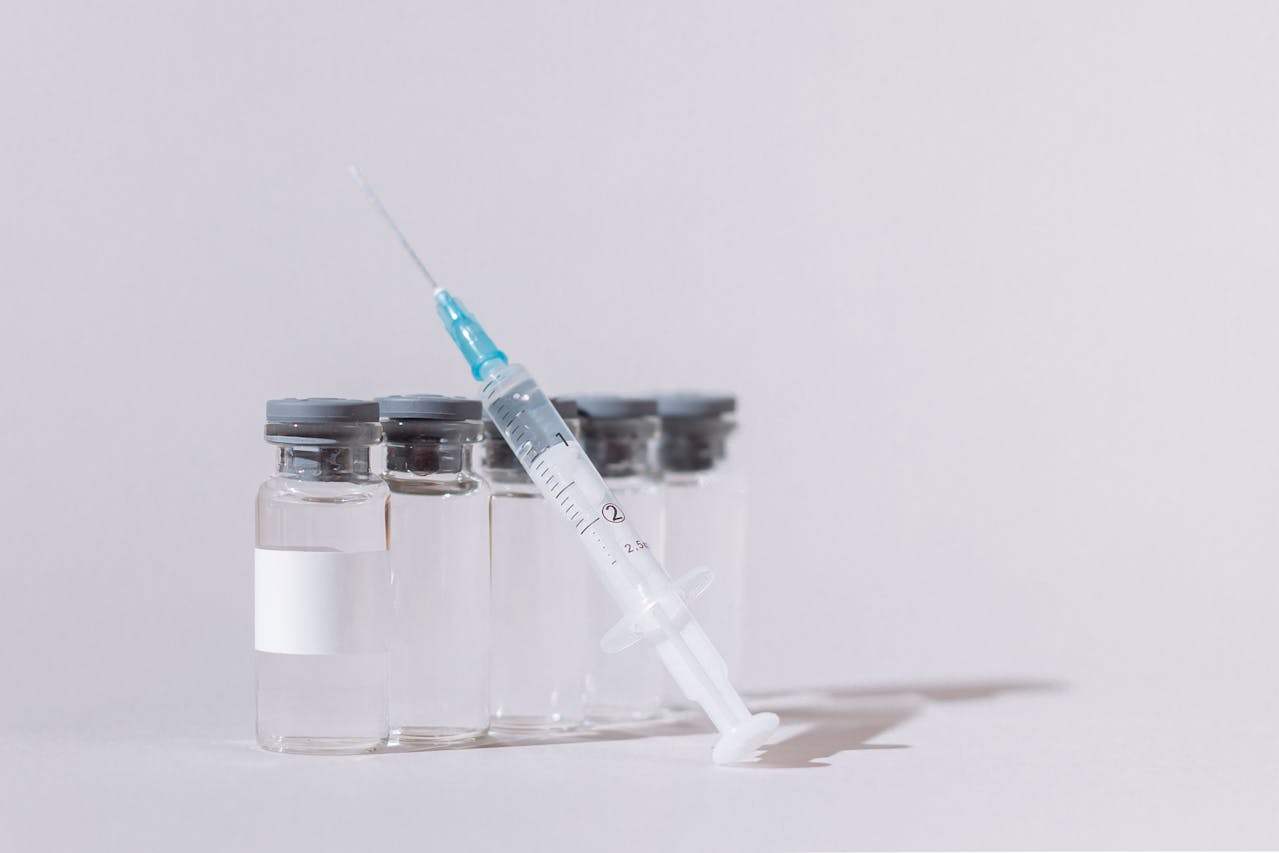
The DHPPi vaccine is part of a dog's routine care. It's a 4-in-1 single-dose vaccine for dogs that protects them against severe diseases that are significantly difficult to cure and manage. The name DHPPi comes from the diseases it specifically prevents.
D: Distemper
H: Hepatitis
P: Parvovirus
Pi: Parainfluenza
It can also be referred to as DHPP and DAPP. Along with the rabies vaccine, DHPPi is mandatory for all dogs in Dubai, with regular boosters supporting their immunity. Nobivac DHPPi is one of the most frequently used vaccines, with other brands including Canigen, Canivac, and Biocan.
How It Works
DHPPi is a modified live vaccine, meaning that it contains weakened or inactivated versions of the viruses involved. This deactivated version is also known as the vaccine antigen. This way, the dog's immune system will be able to identify the pathogens and develop antibodies for them through basic vaccination.
When the real threat comes, the immune system will remember the unique molecular structures of these viruses and will be able to neutralize them.
Why Is DHPPi Needed?
This core vaccine is essential because it protects dogs from contracting highly contagious diseases, preventing mortality and clinical signs. It avoids severe suffering and stops the spread of deadly outbreaks. By doing so, it also helps avoid costly medical emergencies and hospital stays.
For exposed dogs, it significantly reduces symptoms and their severity, helping them with recovery.
Aside from local regulations, DHPPi is also required by boarding facilities, daycare centers, grooming salons, and training classes. Dogs without complete, up-to-date vaccinations are not allowed inside to ensure the safety of other pets in the facilities.
Dubai has a large and concentrated pet population, meaning disease transmission can happen unknowingly, especially in high-risk environments. To protect the community and its pets, owners are required to keep their dog's vaccinations updated annually.
DHPPi vaccinations are also required for local and international travel. Core vaccinations must be administered at least 21 days before entry.
What Does DHPPi Protect Against?
DHPPi protects dogs against the canine distemper virus, canine adenovirus type 1 & 2, canine parvovirus, and canine parainfluenza virus. At our vet clinic, we offer the DHPPi/L vaccine, with the L referring to leptospirosis.
Canine Distemper Virus
Canine distemper is a serious disease that can affect a dog's respiratory, digestive, and nervous systems. It's primarily transmitted through airborne exposure or direct contact with bodily fluids.
Clinical signs caused by CDV include high fever, vomiting and diarrhea, muscle twitching, seizures, and paralysis.
Canine Adenovirus Type 1 & 2
CAV-1 & -2 affect different parts of a dog's body. CAV-1 causes infectious canine hepatitis, a severe form of liver disease. Infectious hepatitis also affects the kidneys, eyes, and blood vessels of dogs, yielding a high mortality rate and severe systemic illness.
CAV-2, on the other hand, results in respiratory disease, primarily affecting the lungs and airways. It plays a huge role in kennel cough. It's often mild and highly treatable compared to ICH, but it can be uncomfortable for dogs.
Canine Parvovirus
Parvo is a highly contagious disease that mainly affects the gastrointestinal system. The virus attacks the lining of the intestines and severely weakens a dog's immune system.
Canine parvovirus infections mostly affect puppies and unvaccinated dogs, causing lethargy, persistent vomiting, severe or bloody diarrhea, and weight loss.
Canine Parainfluenza Virus
A canine parainfluenza virus infection is one of the leading causes of kennel cough. It results in coughing, nasal discharge, sneezing, eye inflammation, and noisy breathing. CPIV spreads through airborne transmission and direct contact with infected dogs or contaminated spaces.
Infection is common when dogs are in close contact with one another, typically in boarding facilities, multi-pet households, and shelters.
Canine Leptospirosis
Leptospirosis is a dangerous bacterial infection caused by the Leptospira bacteria. It primarily spreads through the urine of infected animals, with dogs contracting it when the bacteria enter their mucous membranes or open skin cuts.
Leptospirosis aggressively attacks the dog's kidneys and liver, resulting in organ failure, bleeding disorders, and life-threatening respiratory issues.







Subscribe to Our Newsletter
Worried about your pet?
We’re here for urgent care, wellness checks, or anything in between.