Dog Sadness: 10 Signs of a Sad Dog and How to Help

Dog Sadness: 10 Signs of a Sad Dog and How to Help

Dog Sadness: 10 Signs of a Sad Dog and How to Help

Dr. Nenad Misura

Published Date

Published Date

Jan 29, 2026

Jan 29, 2026

Custom Icon
Custom Icon
Custom Icon

Dogs are very social and emotionally intelligent. They can easily bond with their owners and get close to their families. It is because of this very intelligence that they can quickly understand routines, commands, and their owners' feelings. 

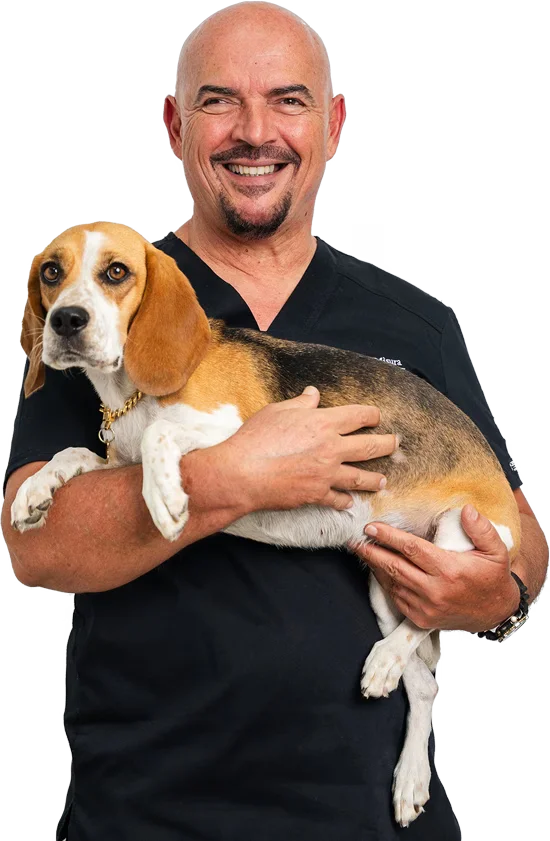
A veterinarian in a black shirt is trying to cheer up the sad dog.

This is why dogs are beloved across the world. They understand their owners’ emotions and will take the steps to comfort them when they get sad. But what happens when a dog’s feelings are affected? Do dogs get sad, too?

In this blog, we’ll talk about dog sadness, starting from the causes, the signs, and how to help them.

Do Dogs Feel Sadness?

Yes, dogs do get sad. Some can even experience depression. 

Dog sadness is similar to how we humans perceive sadness. It’s an emotional state that can happen due to several reasons, from routine changes to emotional distress. The main difference is that while we can talk about our sadness, our dogs can’t directly share their feelings with us. 

What Makes Dogs Sad?
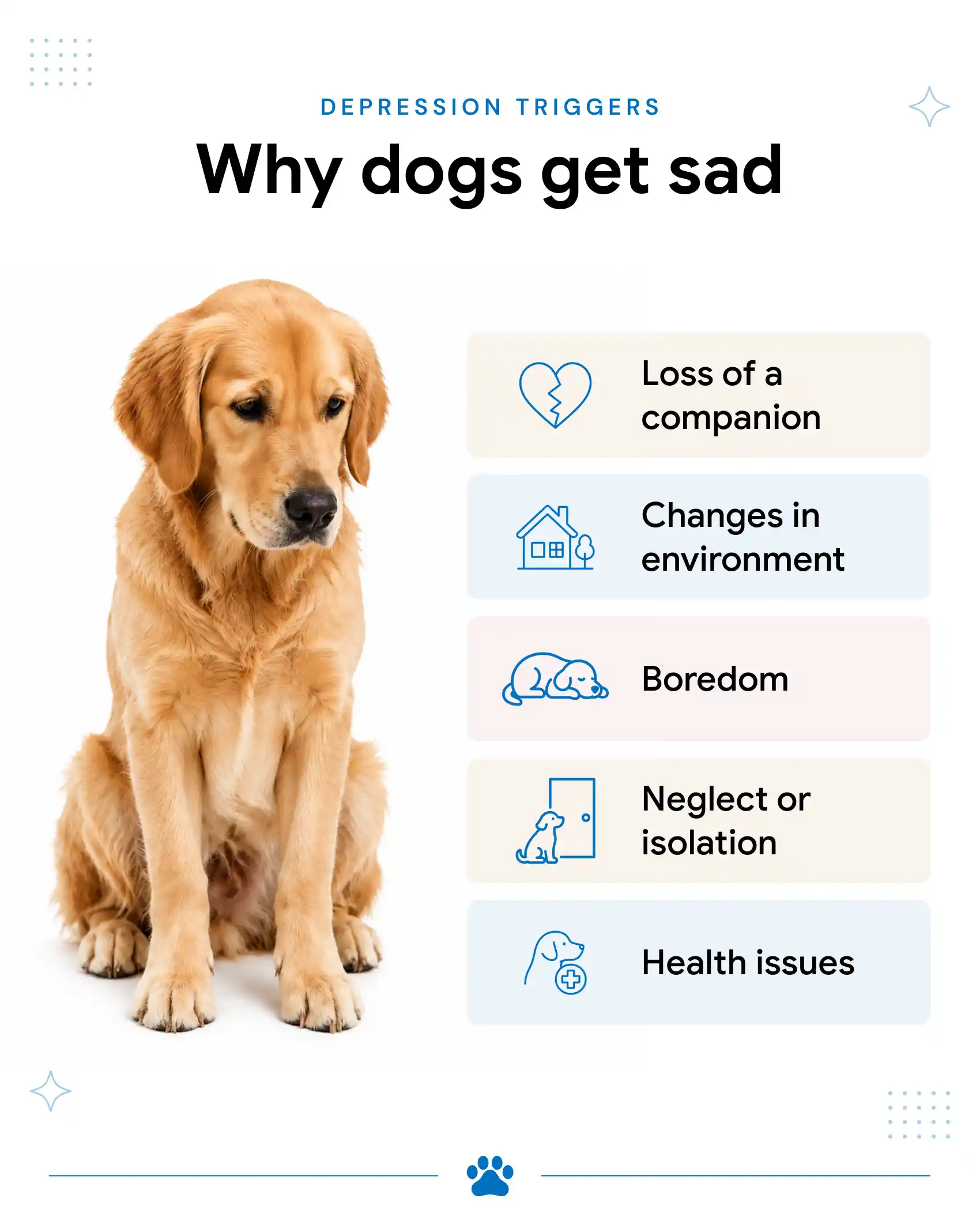
An infographic talking about the causes of dog sadness.

Dogs can get sad for lots of reasons. Some are simple, while others are quite complex. No matter what it is, knowing the exact cause is the start of how we can help your dog get back its happy and glowing smile. 

Here are the common causes of dog sadness:

Loss of a Companion

Dogs feel the absence of someone they’ve bonded with deeply, whether it’s a fellow dog or a human companion. If a dog loses a companion, it might search for them around the house or show signs of confusion and withdrawal. 

Dogs are highly attuned to the dynamics in their “pack,” which includes you and your family. A new baby, a change in homes, someone moving out, or even tension between family members can affect them emotionally. 

They might sense these changes and react with sadness or confusion as they try to adapt. The grief can be real, and it often takes time for them to adjust to this kind of emotional change.

Changes in Environment

Sometimes, a small change can bother a dog and affect their emotional capacity. The sense of unfamiliarity can unsettle them and cause sadness. This includes moving houses, rearranging furniture, or a change in who they live with.

For example, if you recently changed your work schedule, then your dog may feel sad that you’re not home at the times you should be. 

Boredom

A dog can also become sad because of boredom. For high-energy or active breeds, they require consistent forms of exercise and stimulation. When they don’t get it, all that unused energy and boredom can leave them feeling sad. In some cases, this can result in destructive behaviors as well.

Feeling Neglected or Isolated

Dog sadness can also come from neglect. When they’re left alone for long periods, this can take an emotional toll on them. These breeds are usually the ones that are very affectionate, which include Golden Retrievers and Dachshunds

Health Issues

Sometimes, a dog’s sadness comes from physical troubles. Pain or illness can leave a dog lethargic and uninterested in its usual favorites. Common health issues like chronic arthritis, dental problems, or an upset stomach can all cause dog sadness. The uncomfortable feeling can make your dog depressed.

How Do You Know if Your Dog Is Sad?
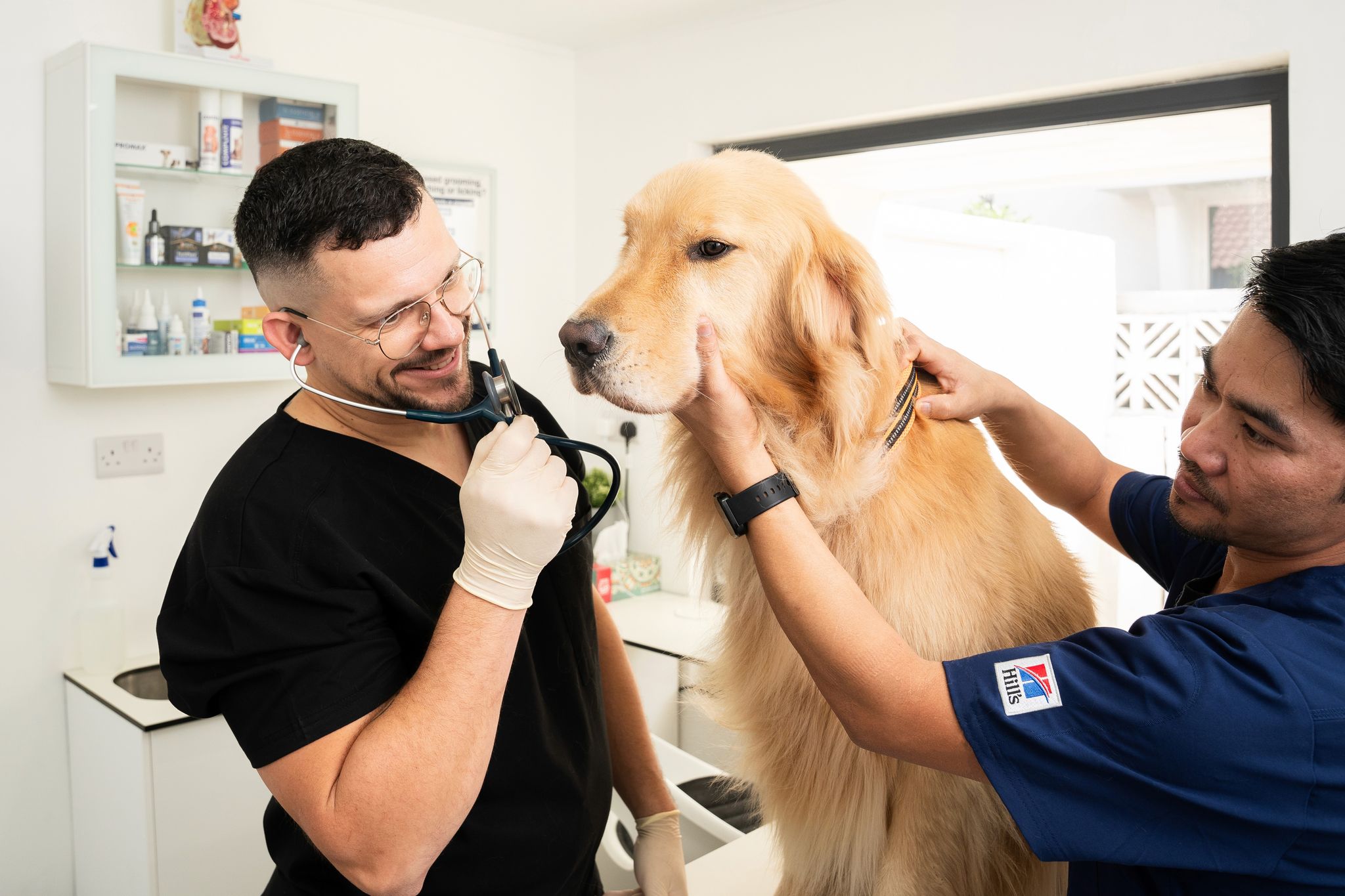
A veterinarian is checking the condition of a sad dog. Another vet is assisting him.

Dog sadness can manifest in small and subtle signs. The way to know is to look at how they move, what they say, and how they act. 

  • They lose interest. If your dog suddenly seems uninterested in its favorite activities or food, it could be a sign of sadness.

  • They withdraw and avoid. Sad dogs might retreat to quiet spaces in your home and spend more time alone. Dogs experiencing sadness and depression might prefer to be alone because they are struggling.

  • They lose their appetite. A sad dog may eat significantly less than usual, turning their nose up at food and even treats. On the flip side, some dogs might overeat when they’re stressed or sad, so watch for unusual changes in eating habits.

  • They are tired all the time. Sad dogs often appear tired when engaging with the world around them. If your normally energetic pup starts to appear more tired on its usual walks, it might be emotionally drained.

  • They voice out. When they start to whine, whimper, or howl more than usual, it could be how they say that they’re sad. 

  • They always sleep. Dogs sleep more if they’re sad, almost as if they’re trying to “escape” their feelings. Others might have trouble settling down, appearing restless, or pacing around.

  • They become more clingy. Some dogs respond to sadness by seeking constant reassurance from their humans. If your dog is suddenly glued to your side or constantly nudging you for attention, they might be looking for comfort and security.

  • They show physical signs. Sadness can sometimes manifest physically in dogs. You might notice weight loss, licking or chewing, and a dull coat.

  • They have accidents. If your house-trained dog starts having accidents indoors or engages in behaviors they’ve never shown before, it could be having trouble with depression.

  • They become angry. In some cases, dogs tend to be irritated and easily annoyed when they get sad. Chewing, aggressive behavior, and irritability are possible signs of dog sadness and depression.
10 Ways to Help a Sad Dog

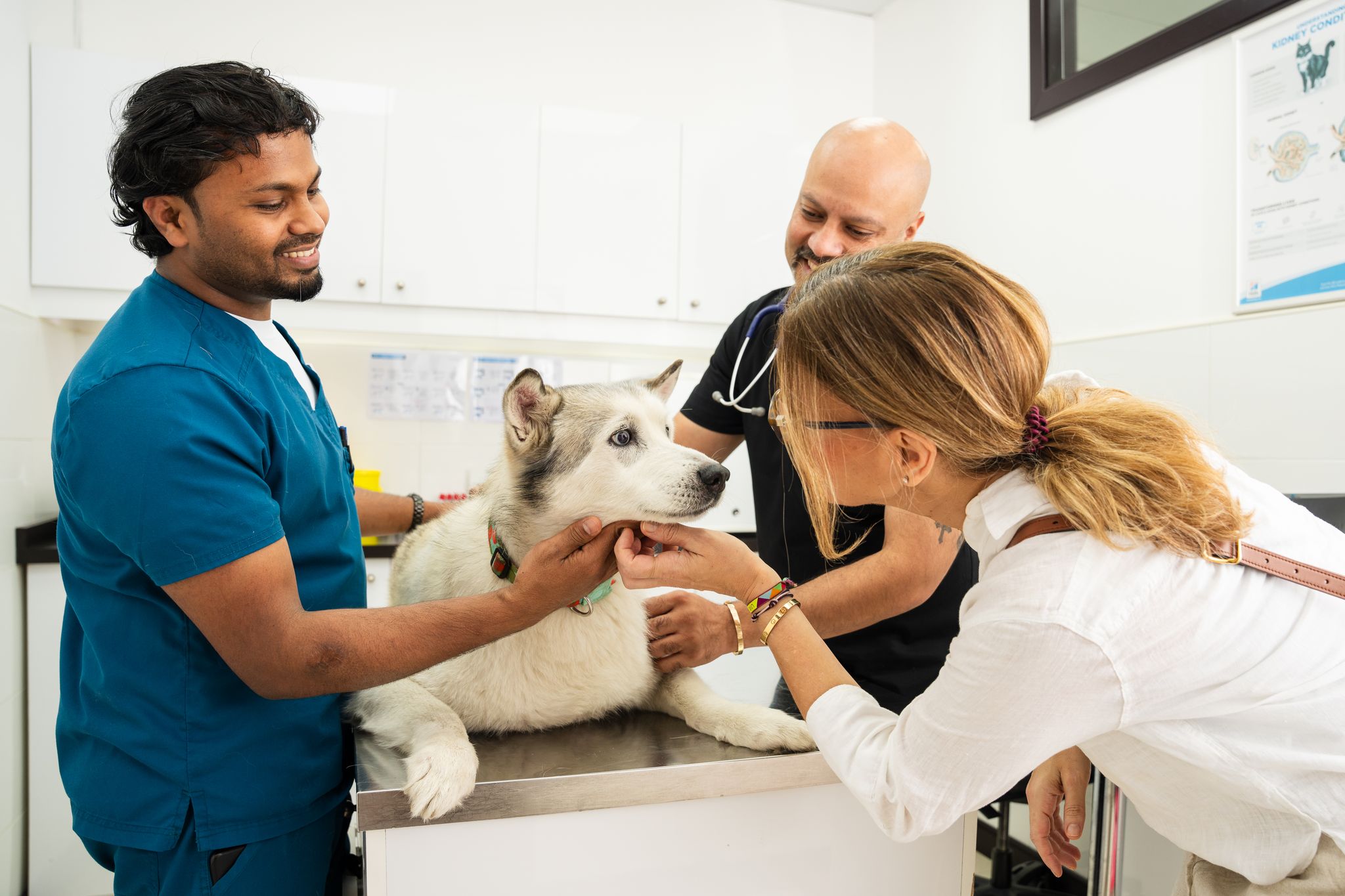
A pet owner is trying to cheer up her sad dog while two vets are preparing for a checkup.

Once you notice your dog’s sadness and depression, it’s important to take action. There are lots of ways to get your dog out of that sadness hole, and most are quick ways to do so. We’ll show you the easiest ways to make your dog happy.

Here are 10 ways to help your sad dog:

  1. Create a Routine and Stick to It

Dogs need familiarity to feel comfortable. A consistent routine for feeding, walking, and playtime can help them feel safe, especially when moving or introducing new pets at home. It’s very important to plan out a specific schedule for each activity your dog does. 

  1. Provide Fun and Excitement

Bring out new toys and games, or you can take them on longer walks or to dog parks. Here, they can meet new friends and play with them. 

You can also keep your dog occupied with training, as it’s a great way to provide entertainment and engagement. If you’re busy, you can ask for help from dog sitters across the city. 

  1. Spend Quality Time Together

Sometimes, your dog just needs more love and attention. Groom your dog, cuddle with them, or play their favorite game. One-on-one time can be very entertaining for them because they see you as someone they love hanging out with. 

  1. Encourage Social Interaction

If your dog enjoys being around others, arrange a playdate with another dog or visit a dog-friendly park. These interactions can help lift their spirits and break up the dull downtime of their days.

  1. Check for Medical Issues

If your dog’s sadness goes on for a long time or is accompanied by a few symptoms, then visit the clinic. Our vets can give your dog a quick checkup to see what’s going on and provide solutions for easy recovery. 

  1. Keep Them Comfortable

Dedicate a space in the house for them without much noise or traffic. Treat it as their safe space and fill it up with toys and bedding. 

  1. Use Calming Aids

For dogs who get stressed easily, calming aids like pheromone diffusers or soothing music can help. Soft and classical music has been scientifically proven to help dogs calm down. 

  1. Offer Special Rewards

Give your dog high-value rewards like pieces of delicious dog treats to bring some joy to their day. You can also give your dog some healthy treats, such as strawberries, blueberries, and mangos. Just be sure not to give too much. 

  1. Seek Professional Help

If your dog's sadness doesn't improve, consult with our partner dog trainers and pet behaviorists. We'll identify the key stressors and develop personalized solutions. 

  1. Keep Your Dog Company

If you’re too busy to take your dog for walks and games, professional dog walking services can be a big help. These experts know everything there is to know about dogs, and they will gladly lend you a hand.

“When our dogs get sad, it fall onto us to bring back their smiles.”

- Dr. Nenad Misura

Final Thoughts

Dog sadness is something every pet parent should be aware of. Our best friends may not be able to speak, but they have their own ways of showing us when they’re feeling down. By knowing the signs and ways to help our pups, we can show how much we love them.

From tending to their needs to taking them on new adventures, there are lots of ways to keep our dogs happy. Follow our guide, and you’ll be able to keep your dog happy all the time.

Frequently Asked Questions

How do you treat a depressed dog?

Helping a depressed dog means taking the time to lift their spirits and condition. Physical and mental exercises are good ways to start. Increase enrichment and provide lots of toys. Establish these activities in a consistent routine so they’ll know what to expect and feel safe.

How do you treat a depressed dog?

Helping a depressed dog means taking the time to lift their spirits and condition. Physical and mental exercises are good ways to start. Increase enrichment and provide lots of toys. Establish these activities in a consistent routine so they’ll know what to expect and feel safe.

How do you treat a depressed dog?

Helping a depressed dog means taking the time to lift their spirits and condition. Physical and mental exercises are good ways to start. Increase enrichment and provide lots of toys. Establish these activities in a consistent routine so they’ll know what to expect and feel safe.

How do you cheer up a sad dog?

To cheer up a sad dog, you can start by spending more time with them. Engage in games like fetch and try to give as much stimulation as possible. You can also give the treats they love to boost their mood. In general, your presence will make them happy.

How do you cheer up a sad dog?

To cheer up a sad dog, you can start by spending more time with them. Engage in games like fetch and try to give as much stimulation as possible. You can also give the treats they love to boost their mood. In general, your presence will make them happy.

How do you cheer up a sad dog?

To cheer up a sad dog, you can start by spending more time with them. Engage in games like fetch and try to give as much stimulation as possible. You can also give the treats they love to boost their mood. In general, your presence will make them happy.

How long does depression last in dogs?

Dog depression can last anywhere from days to months. It all depends on the cause and the amount of help they receive. Quick recovery is possible when dealing with mild stress and sadness, while chronic cases will require more time, help, and possibly vet care.

How long does depression last in dogs?

Dog depression can last anywhere from days to months. It all depends on the cause and the amount of help they receive. Quick recovery is possible when dealing with mild stress and sadness, while chronic cases will require more time, help, and possibly vet care.

How long does depression last in dogs?

Dog depression can last anywhere from days to months. It all depends on the cause and the amount of help they receive. Quick recovery is possible when dealing with mild stress and sadness, while chronic cases will require more time, help, and possibly vet care.

Why is my dog very sad?

Take note of any changes around the house. This could be anywhere from changing homes, loneliness, boredom, a health issue, or even the loss of a family member. Dogs can develop sadness, similar to how we humans do.

Why is my dog very sad?

Take note of any changes around the house. This could be anywhere from changing homes, loneliness, boredom, a health issue, or even the loss of a family member. Dogs can develop sadness, similar to how we humans do.

Why is my dog very sad?

Take note of any changes around the house. This could be anywhere from changing homes, loneliness, boredom, a health issue, or even the loss of a family member. Dogs can develop sadness, similar to how we humans do.

Does a dog cry when it’s sad?

Dogs don’t shed tears when they get sad, but they do express sadness through vocalizations, body language, and behavioral changes. This might include whimpering, whining, droopy ears, and loss of interest.

Does a dog cry when it’s sad?

Dogs don’t shed tears when they get sad, but they do express sadness through vocalizations, body language, and behavioral changes. This might include whimpering, whining, droopy ears, and loss of interest.

Does a dog cry when it’s sad?

Dogs don’t shed tears when they get sad, but they do express sadness through vocalizations, body language, and behavioral changes. This might include whimpering, whining, droopy ears, and loss of interest.

Share

Custom Icon
Custom Icon
Custom Icon

Subscribe to Our Newsletter

Sign up for weekly pet health tips and insights from our veterinarians.

Sign up for weekly pet health tips and insights from our veterinarians.

Wellness & Emergency Care

Wellness & Emergency Care

Book Appointment

Book Appointment

Worried about your pet?

We’re here for urgent care, wellness checks, or anything in between. 

We’re here for urgent care, wellness checks, or anything in between. 

Get the best Vet care for your pet

© 2026 Noble Veterinary Clinics

© 2026 Noble Veterinary Clinics

Unique care for your best friends, because they’re family.

© 2026 Noble Veterinary Clinics

© 2026 Noble Veterinary Clinics