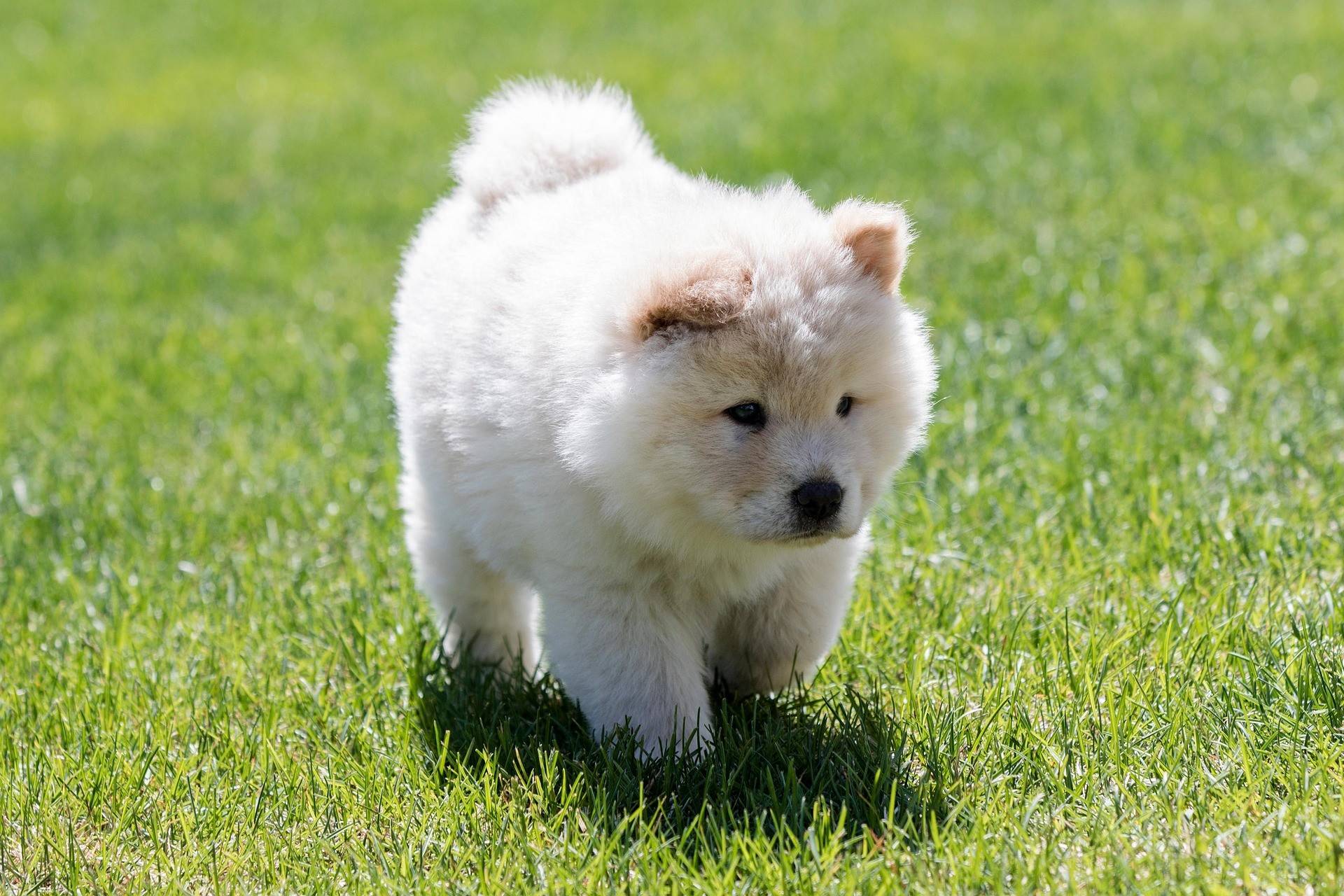

Breed Overview
Personality: Affectionate, intelligent, playful, eager to please, gentle, loyal, social, and friendly
25-34 kg (55-75 lbs)
Coat Colors: Shades of gold, from pale cream to deep reddish-gold
Medium to long
Coat Patterns: Solid with natural shading and feathering
Eye Color: Light to dark brown
10-12 years
No
History of the Golden Retriever

Developed in Scotland during the late 19th century, the early history of the Golden Retriever breed is closely tied to Dudley Marjoribanks, the first Lord Tweedmouth, who bred them to retrieve animals during hunting.
This dog breed that we know today came from a cross between a yellow, Wavy-Coated Retriever named Nous and a Tweed Water Spaniel (now extinct) named Belle. Then, the Red Setters, Bloodhounds, and early ancestors of the Labrador Retrievers were incorporated to better refine the Golden's retrieving ability, temperament, and intelligence.
Golden Retrievers made their first appearance in the show ring in England by 1908. In 1913, they were officially recognized by the UK Kennel Club. Since then, Goldens have become a more popular breed globally for their versatility as service, therapy, and search-and-rescue dogs. Plus, they have become excellent family pets.
Physical Characteristics of Golden Retriever

Head
Golden Retrievers have broad heads, well-proportioned skulls, and strong, straight muzzles. They have black or brownish noses and close-fitting lips. These constitute their overall kind and gentle expression.
Eyes
Goldens have medium to large eyes, light to dark brown irises, and set well apart, giving them an intelligent, warm, and friendly expression.
Ears
They have short, moderately sized, floppy ears. These hang closely to the cheeks and are covered in soft, dense fur. When pulled, the tips can reach the inner corner of the eye.
Body
Golden Retrievers have a well-balanced, muscular build, with a good-length neck, a deep chest, and a slightly sloping rear. Their bodies are designed for endurance and movement.
Limbs
They have straight forelegs with strong hindquarters that provide powerful movement. Their feet are round and compact, allowing them to be stable and agile.
Tail
The Goldens’ tails are a natural extension of their spines. It is thick at the base and tapers to a tip with heavy feathering.
Coat
Golden Retrievers have a dense, water-repellent, double coat that's designed to protect them from outdoor elements. It has a straight or wavy outer layer, with a soft undercoat. They are famous for their varying shades of gold, with heavy feathering on the chest, legs, thighs, tail, and underside.
Size
Male Goldens are around 56-61 cm (22-24 inches) tall, while females stand at 51-56 (20-22 inches) tall.
Weight
Males can weigh between 29 and 34 kg (56 and 75 lbs), and females can weigh around 25-29 kg (55-65 lbs), maintaining a well-proportioned body.
Just welcomed a Golden Retriever
What to Expect With a Golden Retriever
Are Goldens Vocal?
Golden Retrievers are vocal, but not excessively. They're known to alert their owners when someone approaches. Goldies may also greet their owners with a howl, moan when in pleasure, and whine to demand attention.
Do Golden Retrievers Have High Energy Levels?
Goldens are fundamentally active and high-energy dogs. Because they were bred as working dogs, they require significant daily activities and mental stimulation to prevent boredom. They are extremely hyper during the younger years.
How Independent Are Goldies?
These dogs aren't naturally independent. Goldens love people and are extremely people-oriented, even with interactions other than their families. Because of this, they can struggle when left alone and are prone to separation anxiety if not properly trained early on.
Are Golden Retrievers Affectionate?
Goldens have an affectionate nature and playful personality. They are considered one of the most loving dog breeds around, with their highly social and deeply devoted temperaments. These dogs often seek out physical contact, especially belly rubs, head rests, and squeezing in next to owners.
Are Golden Retrievers Great for First-Time Pet Owners?
Goldens are one of the best options for first-time pet owners because they are extremely friendly and loving. They are also intelligent and eager to please. Just stay prepared for the high-energy puppy phase and their grooming requirements.
Are Goldens Good With Kids?
Golden Retrievers can also be excellent with children and tend to fit well into family life, especially when a puppy is introduced to kids from a young age. With early socialization, they’re more likely to grow into confident and gentle companions around children.
Can Golden Retriever Bond With Other Pets?
Goldens are very social, being able to easily bond with other pets. This makes them one of the best options for multi-pet households. Just make sure to supervise early introductions to avoid any unnecessary tension between the pets.
What Is It Like Living With a Golden Retriever?
Owning a Golden Retriever in Dubai can be a rewarding challenge. Indoor exercise is recommended, such as in dog parks and boarding facilities, to avoid the extreme heat. Your home should also have adequate space for your dog to move around and casually play.
Is It Easy to Train a Golden Retriever?
Golden Retrievers are highly intelligent and loyal dogs who love pleasing their owners, which makes training very easy. They respond well to positive reinforcement and are often trained to be service and therapy dogs in the UAE. For training tips, make sure the sessions are consistent and engaging.
How Much Exercise Do Goldens Need?
These dogs require 1-2 hours of exercise a day because of their athletic nature. Some of these activities could be long walks, games of fetch, obedience training, swimming, and agility sports. In Dubai, we recommend having outdoor exercise during the early mornings and late evenings to avoid the heat.
What to Feed a Golden Retriever?
Feed your Golden a protein-rich, balanced diet to support energy, coat quality, and overall health. Their portions must be controlled to prevent obesity and support proper care. Golden Retriever puppies require more food, but it should be spread evenly across multiple meals each day.
How Often to Groom a Golden Retriever?
Regular grooming is crucial to manage loose hair. Brush their coats every 3-4 times a week, and bathe them every 4-8 weeks. The bath can be during your dog's professional grooming session, which should also be scheduled every 4-8 weeks. This is especially important for these dogs as they are exposed to Dubai's dusty environment.
Health Concerns of Golden Retriever

How to Groom a Golden Retriever

Coat Maintenance
Because Golden Retrievers have a double coat that’s water-repellent, dense, and usually long, they must be brushed at least 3-4 times a week. This will prevent matting and control shedding. Use a long-pin slicker brush for the top coat, an undercoat rake to remove shedding fur, and a steel comb to detangle.
Skin Health
While Goldies often have healthy skin, it's good practice to check on them at least once a week. There might be skin infections, irritation, or hot spots that aren't easily spotted due to their dense double coats. Be sure to check on their skin as well after outdoor play.
Bathing Routine
Golden Retrievers should be bathed every 4-8 weeks or when they get too dirty from outdoor activities. Be sure not to overdo it, as over-bathing can strip the natural oils from their skin, leading to dryness. Use gentle, pet-safe shampoos and dry your dog thoroughly. If possible, blow-dry their coats.
Nail Trimming
Golden Retrievers should have their nails trimmed every 3-4 weeks or when you begin hearing clicky steps on your floors. Use a dog nail clipper or grinder to trim their nails, avoiding the pink part called the quick, which is sensitive and painful. Regular nail trimming is essential to prevent injuries during play.
Ear Cleaning
Goldens have floppy ears, which can make them more prone to ear infections. We recommend that you use a vet-approved ear cleaning solution for their ears every 2-3 weeks. Also, it's important to dry the ears completely, especially after swimming or bathing.
Eye Care
Because of their active lifestyle and Dubai's dusty/sandy environment, we recommend checking on and cleaning their eyes 1-3 times a week. Use a soft, damp cloth or pet-safe eye wipes. Gently press the cloth from the corner of your dog's eye and wipe outward.
Dental Hygiene
Daily brushing is ideal, but 2-3 times a week is also good enough to prevent plaque buildup and gum disease. Use a pet-safe toothbrush and toothpaste. Never use human toothpaste. Be sure to book annual dental exams as well.
FAQs About Golden Retriever