
Breed Overview
Personality: Loyal, intelligent, confident, courageous, protective, and hardworking
22-40 kg (49-88 lbs)
Coat Colors: Black, black/tan, black/red, sable, gray, liver, silver, blue, and white
Short to long
Coat Patterns: Saddle, blanket back, bi-color, solid, and sable
Eye Color: Brown, hazel, amber, golden, and blue (rare)
9-13 years
No
History of the German Shepherd
The German Shepherd breed was officially developed in Germany in 1899 by Captain Max von Stephanitz. His goal was to create a strong, hardworking dog with unwavering loyalty and stamina.
He purchased a herding dog named Hektor Linksrhein, which was later renamed Horand von Grafrath, the first registered German Shepherd and the foundation for the breed.
That same year, von Stephanitz founded the world's first German Shepherd Dog club. Over time, these dogs became popular for search-and-rescue work, protecting, guiding, and companionship. GSDs were also used for guarding and herding sheep.
During World War I, the breed's name was changed to Shepherd Dog in America and Alsatian in England. German Shepherds became widely used in both WWI and WWII as military and police dogs, messenger dogs, guard dogs, and scouts.
German Shepherds were popularized by Rin Tin Tin and Strongheart, two war veterans showcased in films.
Today, these dogs are one of the most recognized dog breeds in the world. They are still valued for their work ethic, loyalty, and versatility.
Physical Characteristics of German Shepherd
Head
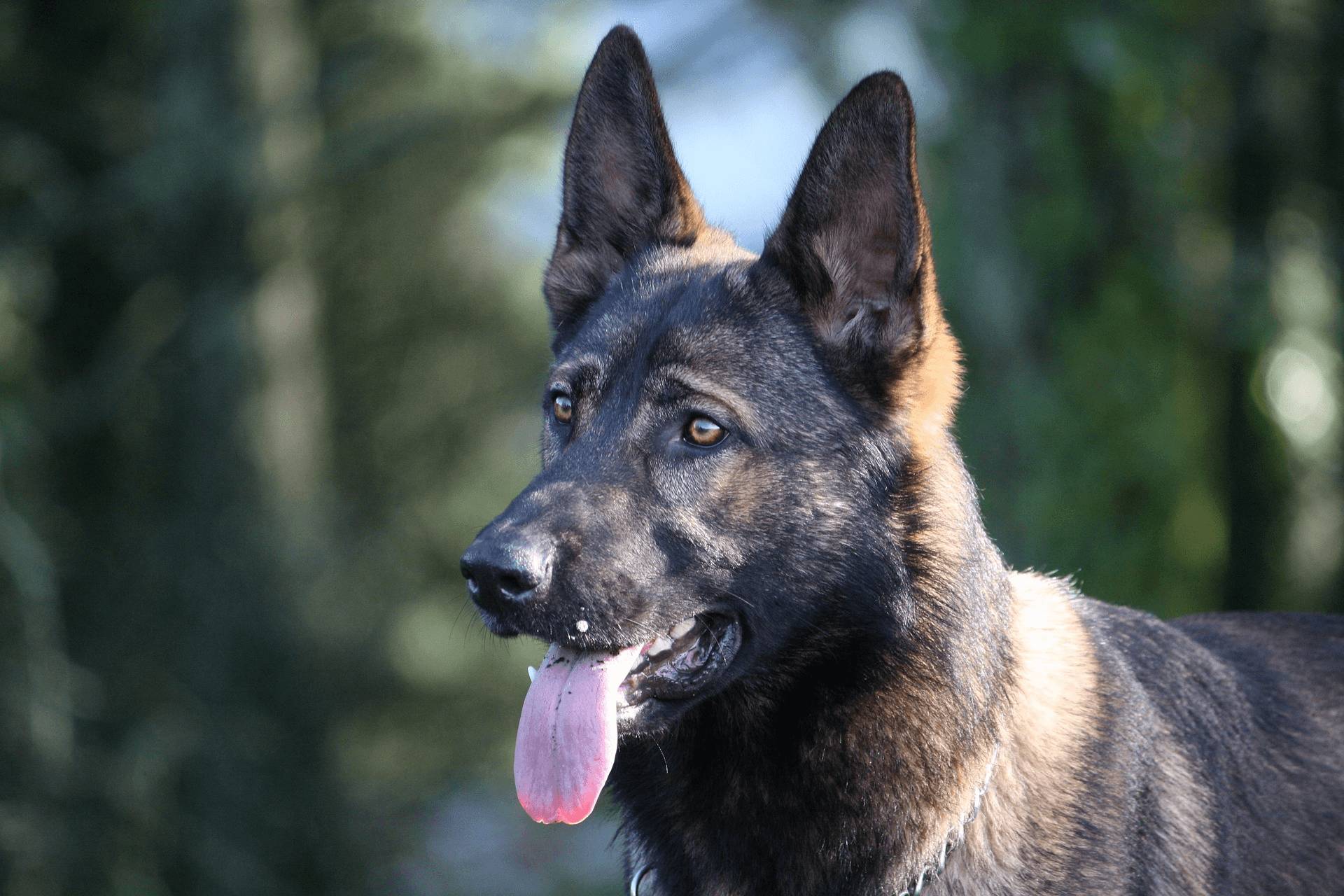
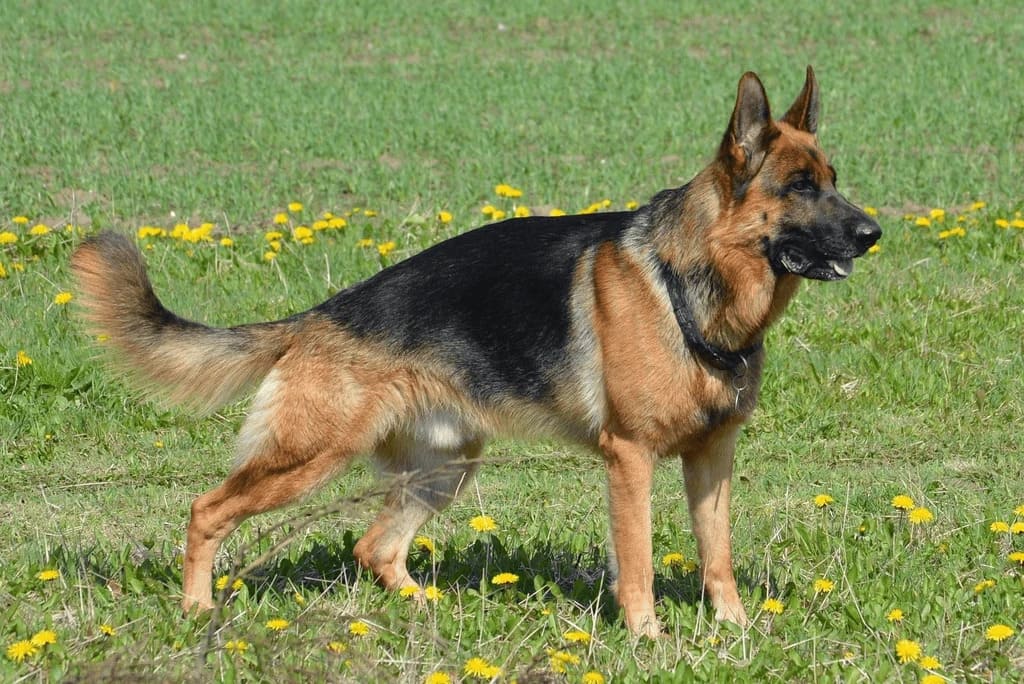
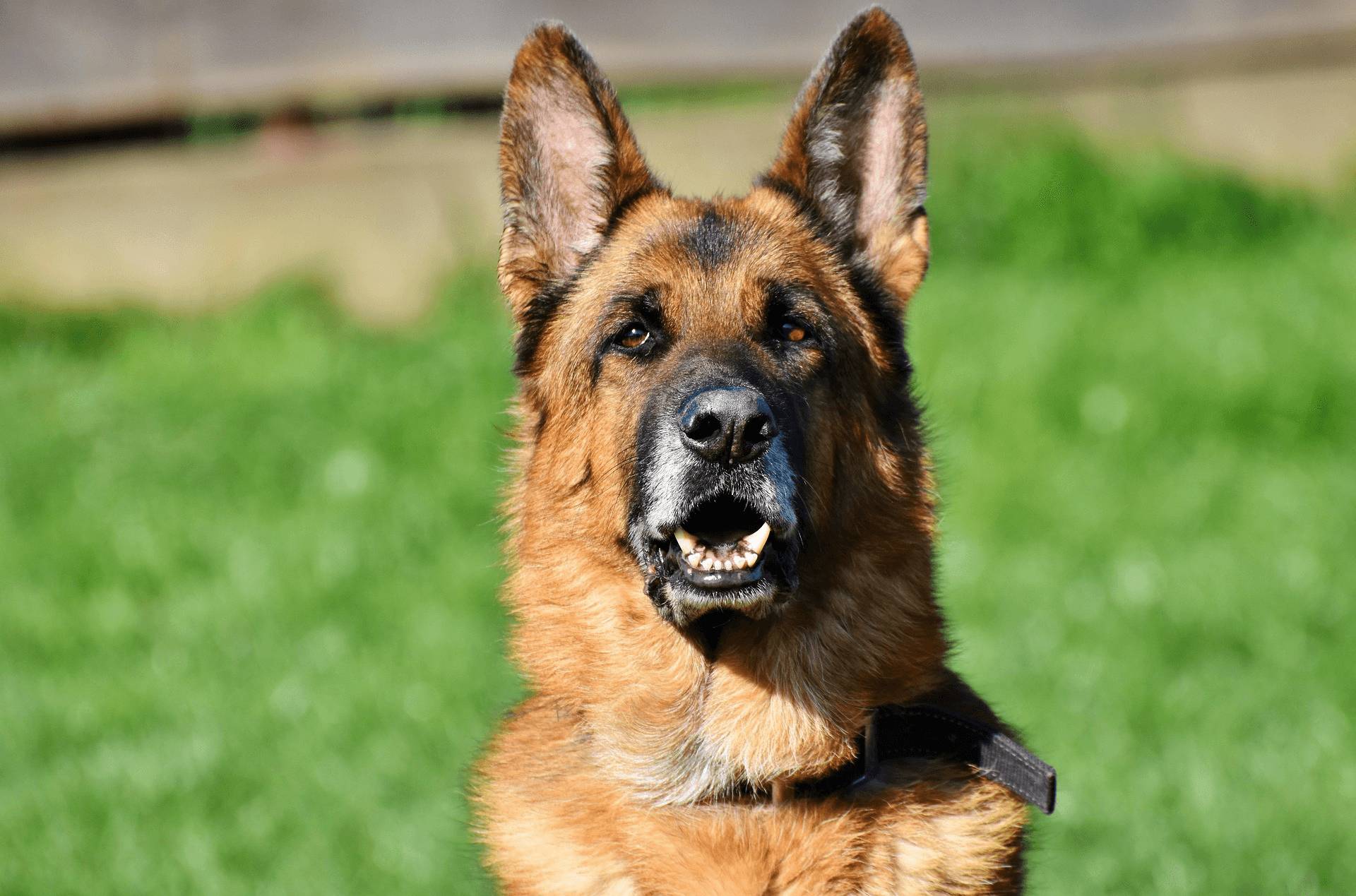
German Shepherds have well-proportioned heads with slightly domed foreheads. They have long, straight muzzles with black noses, firm lips, and strong jaws that are well-developed.
Eyes
These dogs have medium-sized and almond-shaped eyes. Eye colors come in brown, hazel, amber, golden, and blue (rare). Because of this, GSDs are renowned for their deep and intelligent expression.
Ears
German Shepherds have large, upright ears that are triangular and moderately pointed. They are set high on the head and angled open toward the front.
Body
GSDs have a muscular build and a body that’s built for endurance and swift movement. They have a deep chest, a strong neck, and a level topline that slopes a bit toward the tail.
Limbs
Their limbs are powerfully built and highly muscular. The forelimbs are straight, while the hind legs feature angulation at the stifles and hocks.
Tail
The tail is long, bushy, and heavily boned. It extends to the middle of the ankle joint and has a gentle curve.
Coat
German Shepherds have a weather-resistant, double coat that sheds heavily. The most common type is medium-length and is straight, harsh, and lies flat. The long-haired variety features wavy hair and is apparent on the ears, legs, and tail. Coat colors include black, black/tan, black/red, sable, gray, liver, silver, blue, and white, with patterns of saddle, blanket back, bi-color, solid, and sable.
Size
Male GSDs stand around 60-65 cm (24-26 inches), while females are 55-60 cm (22-24 inches) tall at the shoulder.
Weight
Male German Shepherds weigh 30-40 kg (65-90 lbs), and females weigh around 22-32 kg (50-70 lbs).
Just welcomed a German Shepherd
What to Expect With a German Shepherd
How Vocal Are German Shepherds?
German Shepherds are very vocal dogs and will often display a wide array of vocalizations such as barking, growling, yodeling, murmuring, and whining. They also emit a rumbling groan when being cuddled. Either way, their voices always serve a purpose.
Are German Shepherd Dogs Energetic?
GSDs are an athletic breed with high energy levels and need plenty of physical activity. Without regular exercise, they can become restless, destructive, or anxious. They were bred for high-endurance activities and are excellent working dogs.
Are GSDs Independent?
German Shepherds are among the most intelligent dog breeds and are independent thinkers, but they strongly depend on human companionship, leadership, and direction. GSDs love following their owners around and can form strong bonds with their families.
Do German Shepherds Show Affection?
GSDs are very affectionate, often acting as velcro dogs who love to be glued to their owners' side. They can be wary or aloof toward strangers, but they show deep devotion to their families. Many German Shepherds love cuddling with their owners and always watch your back.
Are German Shepherds Banned in Dubai?
German Shepherds are legal to own in Dubai. All you have to do is follow local regulations on ownership, including vaccinations, microchipping, registration, and complete documentation.
How Can I Adopt a German Shepherd?
You can contact our dog adoption partners, which are local organizations such as K9 Friends. Simply schedule a visit at their locations and meet the dogs you want to adopt. From there, they'll assist you with the adoption process, including how to know if your housing situation can fit their lifestyle.
What Is It Like Living With a German Shepherd in Dubai?
The biggest hurdle is the city's intense heat, which limits outdoor activity and requires constant use of air conditioning. GSDs also need homes with ample space due to their large builds. They also require a lot of effort in their grooming because of their heavy shedding and Dubai's sandy environment.
Are German Shepherds Allowed in Apartments?
In Dubai, it will depend entirely on the building's specific pet policy. German Shepherds are classified as a working breed, which means they are usually restricted in standalone villas with secure walls. When in public, your dog must be kept on a leash at all times.
Where Are the Best Communities to Own a German Shepherd?
German Shepherds are best for spacious homes, villas with outdoor yards, and communities with walking trails. The top communities include Dubai Hills Estate, Arabian Ranches (1, 2, and 3), Jumeirah Village Triangle, and DAMAC Hills. Do note that these locations may have specific regulations for pet ownership.
How Can I Relocate My German Shepherd to Dubai?
Your dog must have complete core vaccinations, a registered microchip, parasite treatment, and a rabies titer test (if coming from a high-risk country). You must also secure your dog's pet passport, a vet health certificate, and an import permit from MOCCAE.
Are German Shepherds Easily Trained?
German Shepherds are highly trainable and eager to learn, but they need positive reinforcement and firm boundaries to avoid confusion during training. They do well as working, police, military, therapy, and rescue dogs. Proper socialization is required to prevent overprotectiveness.
How Much Exercise Do GSDs Need?
German Shepherds need about 1-2 hours of daily exercise due to their high intelligence and energy levels. Starting structured routines early on is crucial, and they thrive in obedience training and agility sports. Schedule their outdoor walks during the early mornings and late evenings.
How Do I Keep My German Shepherd Cool in Dubai?
When inside, keep the AC set to 22-24°C and use cooling pads. Keep them constantly hydrated by placing multiple water bowls across the house. When exercising, opt for indoor dog parks and daycares. Protective boots and shoes also help protect their paws from hot pavements.
Is Grooming Important for German Shepherds?
Because German Shepherds shed excessively and have a thick undercoat, they need to be brushed 3-4 times a week. Bathing can be done every few times a year, or if they get too dirty. Schedule professional grooming sessions every 3-4 months.
Health Concerns of German Shepherd
How to Groom a German Shepherd
Coat Maintenance
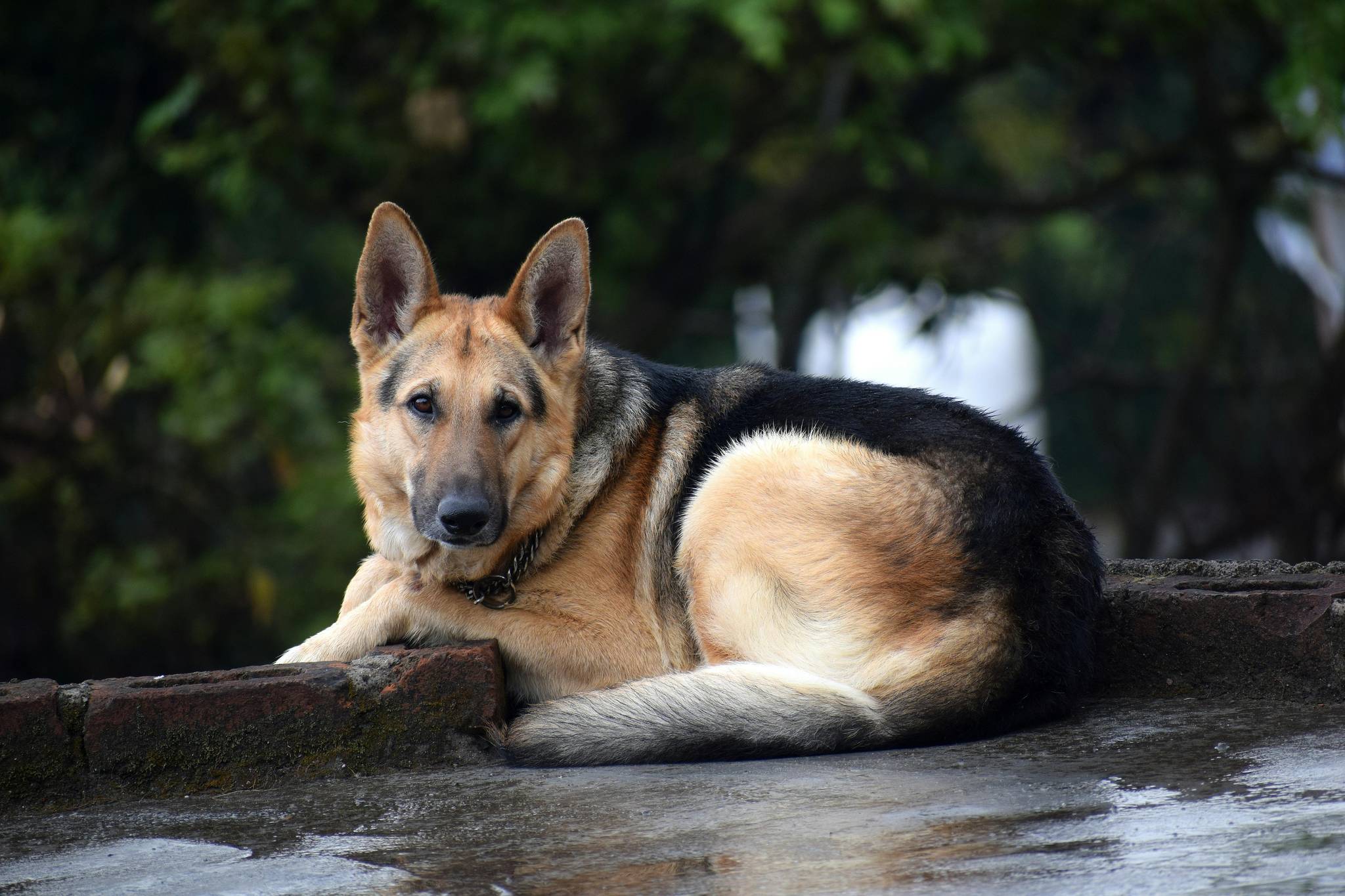
German Shepherds have a thick, double coat that requires brushing 3-4 times a week. Use an undercoat rake for dense areas. Next, use a slicker brush and follow the direction of hair growth. This will remove dirt and loose hairs, smoothing out the coat. Next, follow it up with a metal comb to remove tangles.
Skin Health
These dogs are prone to dry skin, which makes them more susceptible to allergies, leading to hot spots and persistent itchiness. Always check their skin condition, especially after outdoor activity. Brushing also allows you to check for redness, bald patches, swelling, fleas, and other concerns.
Bathing Routine
German Shepherds only need a full bath every 3-4 months or if they get too dirty. Be careful not to overbathe them, as this can strip the natural oils that protect their skin. Use gentle, pet-safe shampoos and make sure to dry them out thoroughly, especially around the ears.
Nail Trimming
GSDs need nail trimming every 3-4 weeks, or if you notice a clicking sound when they walk on solid floors. Regular nail trims are important to prevent overgrowth. Don't forget the dewclaw, the smaller nail located higher up on the inside of the front paws. Approach the process slowly and avoid the quick.
Ear Cleaning
Healthy German Shepherd dogs can benefit from ear cleaning once a month. Because they have upright ears, they have great airflow and don't trap too much debris. If your GSD swims or spends time in dusty outdoor environments, clean their ears every 2 weeks.
Eye Care
It's advisable to check on their eyes daily, especially if they have an active, outdoor lifestyle. Look for crusting and discharge. Use a clean, soft cloth dampened with warm water. Apply this to the corner of the eye to soften the crust and wipe outward.
Dental Hygiene
Daily dental brushing is ideal for all dogs, but every 2-3 weeks is sufficient. Use a pet-safe toothpaste and toothbrush to prevent plaque and tartar buildup. Additionally, schedule annual dental exams and cleanings.
FAQs About German Shepherd