Breed Overview
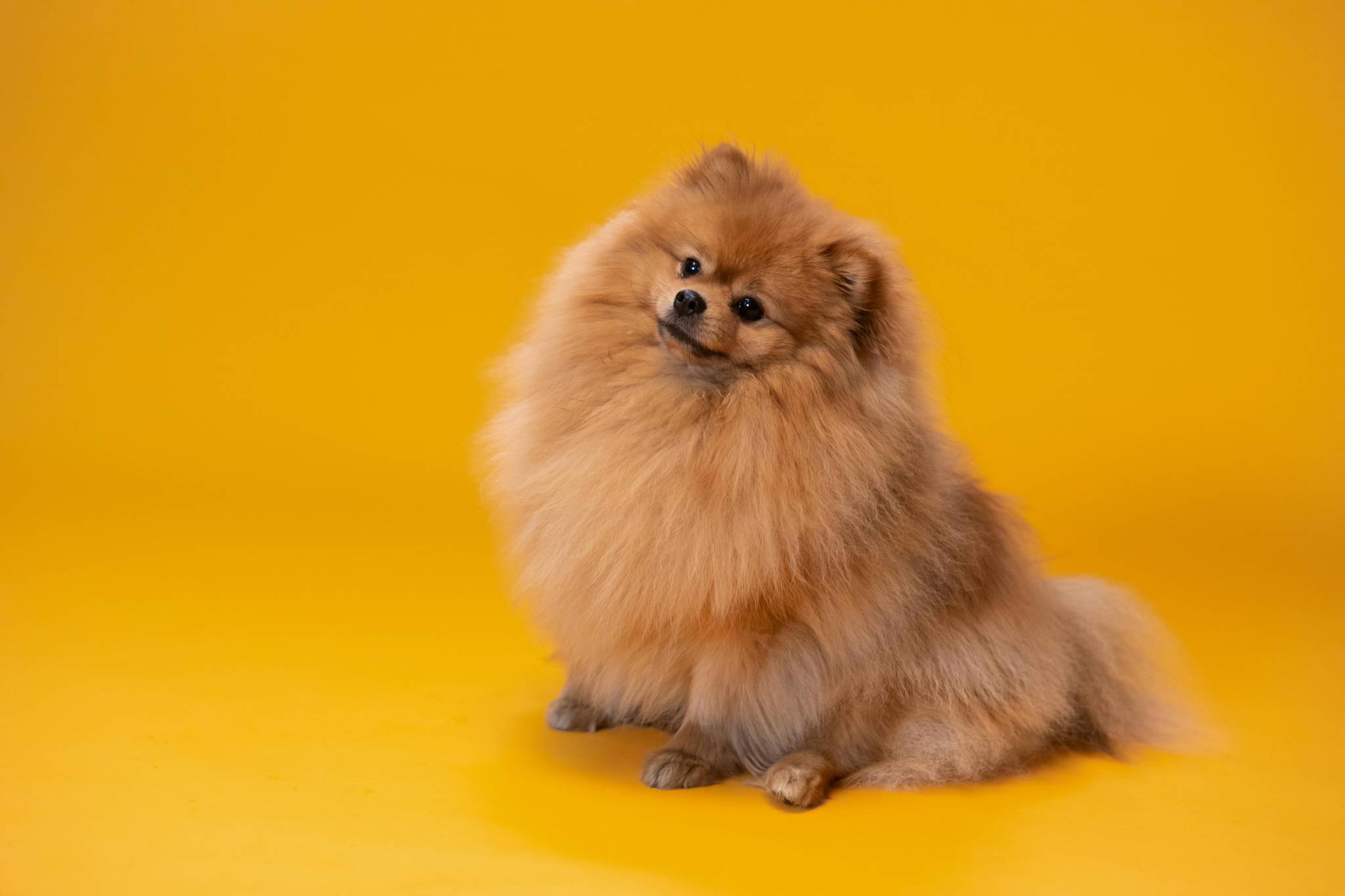
Personality: Affectionate, bold, independent, playful, alert, lively, intelligent, and confident
1.4-3.2 kg (3-7 lbs)
Coat Colors: Orange, black, white, cream, red, chocolate, tan, blue, merle, brindle, and sable
Long
Coat Patterns: Solid, sable, parti-color, brindle, merle, and tricolor markings
Eye Color: Dark and light brown, blue, and green (rare)
12-16 years
No
History of the Pomeranian
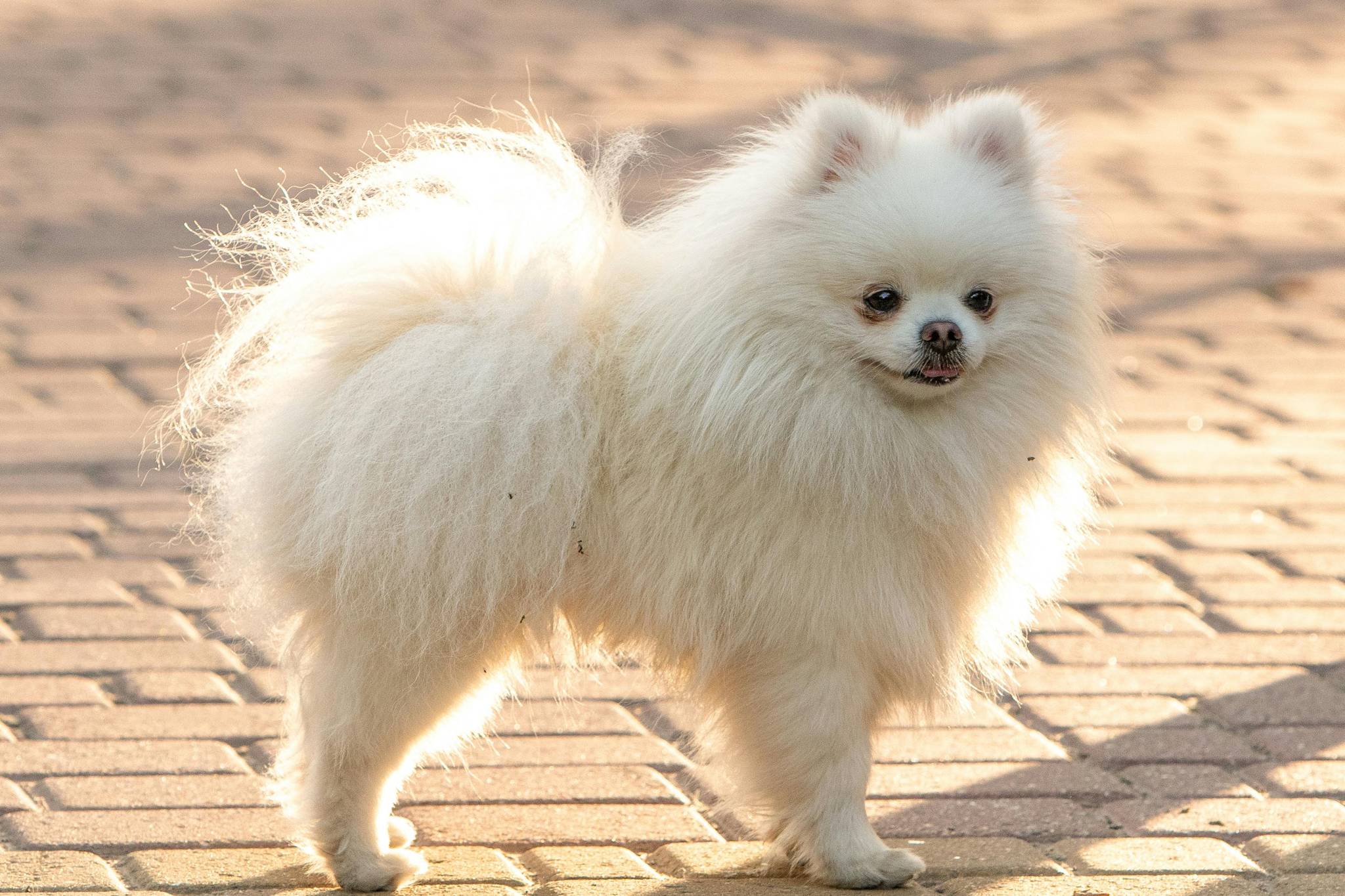
The Pomeranian comes from the larger Spitz-type Arctic sled dogs and shares ancestry with breeds like the Samoyed and Keeshond. Poms were bred down in size in the region of Pomerania (now part of Germany and Poland) and became one of the most popular companion dogs worldwide.
In the 19th century, Queen Victoria showed a keen interest in smaller Pomeranians, which led to their increased popularity across Europe. Over time, selective breeding reduced their size while enhancing their thick coat and lively personality.
From here, they evolved from larger working dogs to the tiny Pom-Poms at dog shows. Today, the Pomeranian is a popular option for many dog lovers, especially due to its adorable size, lively nature, and fearless stance.
Physical Characteristics of Pomeranian
Head
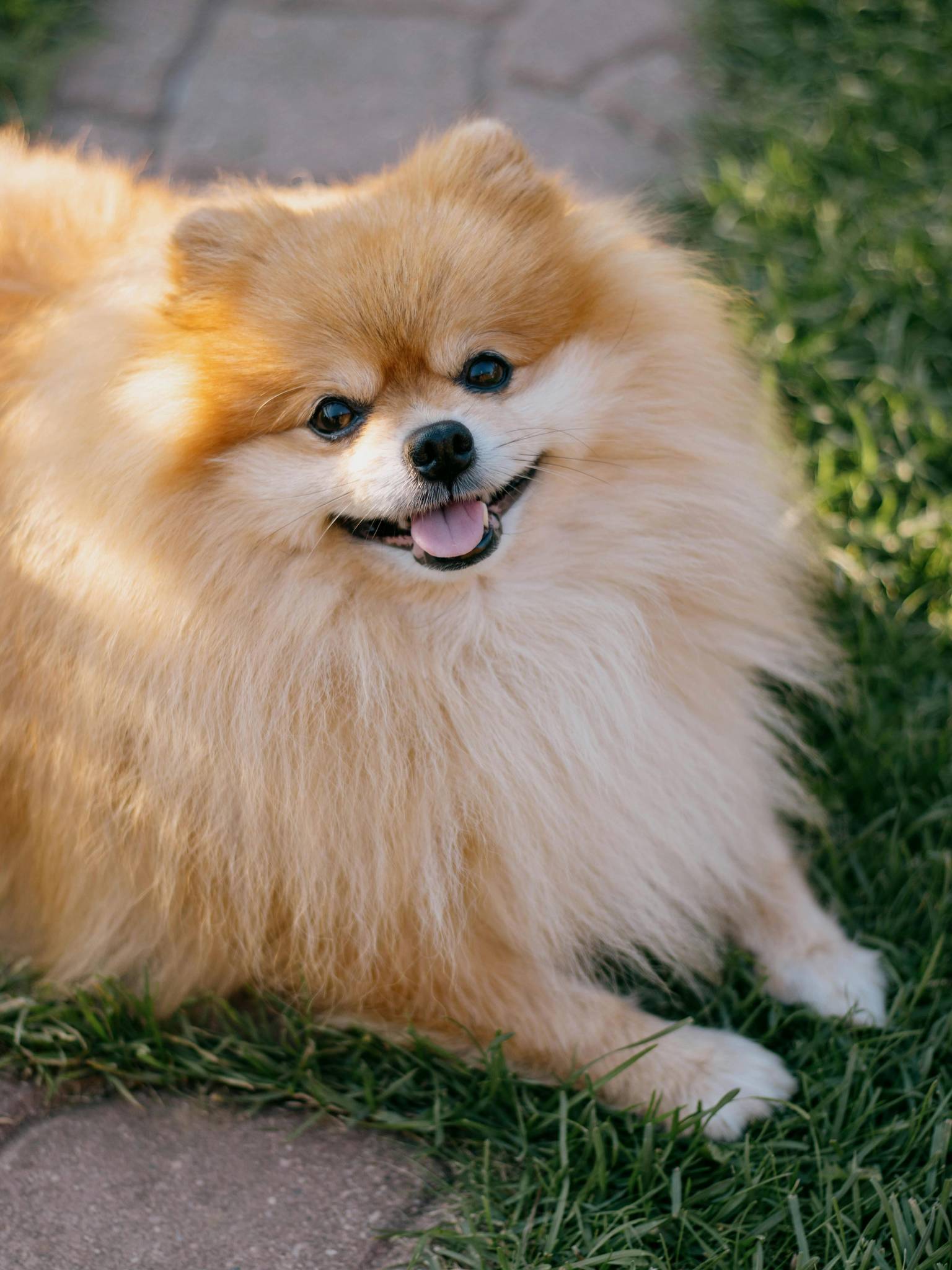
The Pomeranian has a small, well-proportioned head with a slightly rounded skull. It has a short, fine, slightly tapered muzzle and a black nose, which sometimes matches the coat color. The lips are tight, and the jaw has a scissor bite.
Eyes
Poms have medium-sized eyes that are almond-shaped and dark in color.
Ears
Their ears are small, triangular, and set high on the head. They are always erect, which gives them a fox-like appearance.
Body
Pomeranians have compact and well-balanced bodies. They have a short neck, a deep chest, and a level topline leading to a rounded rear.
Limbs
Their legs are straight and moderately boned. The feet are small, round, and compact, with arched toes.
Tail
The Pom appears to have a fluffy tail due to its high-set tail that arches over the back with a full plume of fur.
Coat
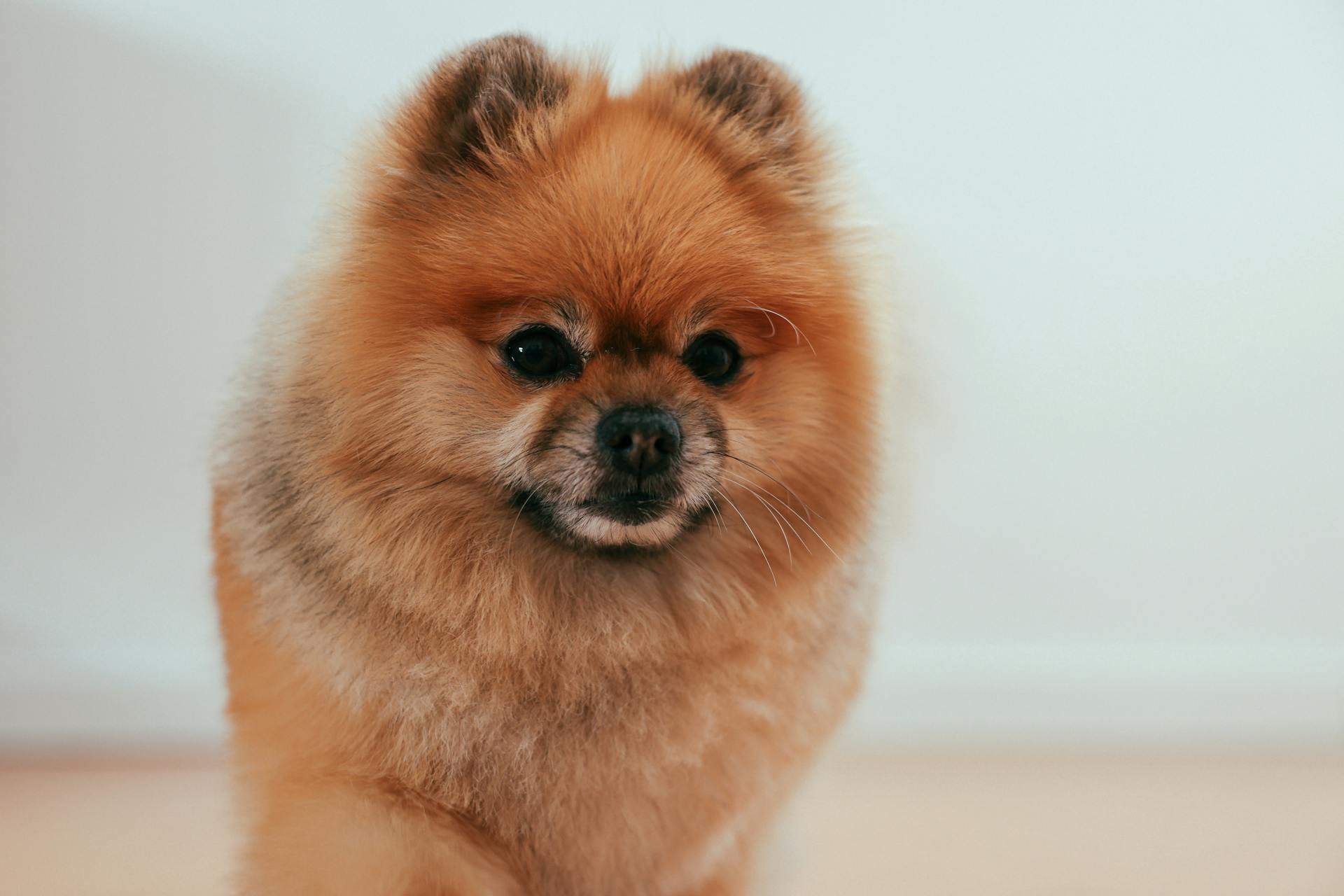
Pomernians have thick double coats with a soft, dense undercoat and a longer, straight outer coat. They come in various colors, like orange, black, white, cream, blue, sable, and merle.
Size
Males and females typically stand around 15-18 cm (6-7 inches) tall at the shoulders.
Weight
Pomeranians have an average weight of 1.5-3 kg (3-7 lbs), with males and females falling within the same range.
Just welcomed a Pomeranian
What to Expect With a Pomeranian
How Vocal Are Pomeranians?
Pomeranians are extremely vocal dogs. They are known for being expressive, barking a lot to alert or get their owner’s attention. These dogs also have a strong instinct to bark at strangers and anything they find unusual.
Are Poms Energetic?
They are active, playful dog breeds that enjoy playing and exploring. Despite being small, they need a lot of activities to prevent boredom and unwanted behavior. Pomeranians often have high bursts of energy.
Are Pomeranians Independent Dogs?
Poms enjoy company but are fine with alone time. They form close bonds with their humans and enjoy companionship, but they can also be independent to a certain degree. This means that while they are loving and playful, they’re not velcro dogs.
How Affectionate Are Pomeranians?
They love cuddles and human interaction. Pomeranians are affectionate and enjoy being the center of attention, and being included in everything their owners do makes them happy. They are the type of dogs that prefer being near you rather than being on your lap.
Are Pomeranians Good First Pets?
Poms are generally a good option for first-time pet owners. This is because they are small, with relatively smaller nutritional needs compared to bigger dogs. Plus, they are affectionate and loving, while still being able to be independent.
Can Pomeranians Be Good With Kids?
Pomeranians are patient and playful with children, especially older kids who know how to handle dogs gently. Supervision is always recommended when young children are handling and playing with these dogs.
Do Pom-Poms Get Along With Other Pets?
They work well with other pets. However, Pomeranians have a naturally territorial personality. As long as they are introduced to other pets slowly and positively, they can live peacefully with others.
What’s It Like Owning a Pomeranian?
Having a Pomeranian at home is like living with a small and loving pet, with a sometimes noisy nature. They are loyal dogs who love being near their owners and can even spend time alone for a few hours. Plus, these dogs are very intelligent.
Can Pomeranians Be Trained?
Training Pomeranians requires patience and consistency. They are intelligent breeds and eager to learn, but they can sometimes be stubborn, which may be a challenge. Positive reinforcement is always recommended when training them.
How Much Exercise Do Poms Need?
They need daily play and movement, but they don’t require intense exercise. Poms have short bursts of energy throughout the day, so it’s best to take advantage of this. About 30 to 60 minutes of exercise is recommended for them.
What to Feed a Pomeranian?
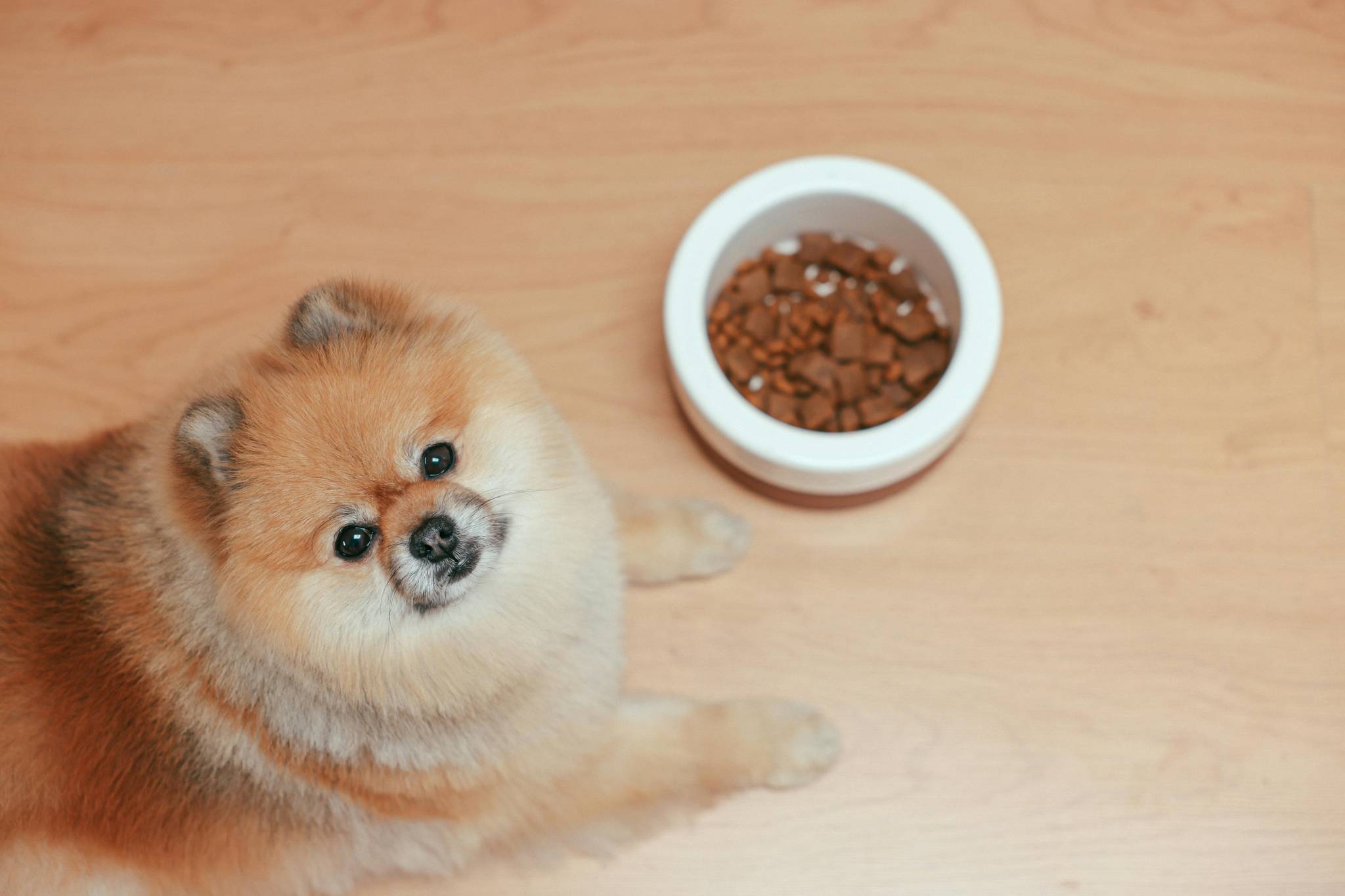
High-quality diets that are dense in nutrients are always the best choice for Pomeranians. Since they are small, they need meals that are packed with the nutrition they need. This includes specially formulated dog food and high-quality protein sources.
How Often to Groom a Pomeranian?
These dogs need to be brushed three times per week and bathed at least once a month. This is because of their thick double coats, which need a lot of maintenance. It’s also best to have them professionally groomed every 4 to 6 weeks.
Health Concerns of Pomeranian
Taking care of a Pomeranian means knowing the health issues they may encounter.
How to Groom a Pomeranian
Coat Maintenance
Brush Pomeranians at least three times a week, but a daily brushing session is best, especially behind the ears. We recommend using a pin brush, a metal comb, or a slicker brush.
Skin Health
Poms generally have healthy skin. However, their thick coats can trap moisture. They’re not particularly prone to skin conditions, but some may experience irritation or dryness. Use gentle pet products and moisturizing shampoos.
Bathing Routine
A bath every month is recommended, or if they get too dirty. Use a gentle and mild dog shampoo for them. Keep them dry to prevent any moisture buildup and tangles.
Nail Trimming
Pomeranians need to have their nails trimmed every 4 to 6 weeks, or as soon as their nails start clicking on the floor. Remember that they have tiny and delicate feet, so use a specific set of nail clippers meant for dogs.
Ear Cleaning
They must have their ears checked and cleaned once a week. Cleaning can be done once or twice a month using a vet-approved cleaning solution and a soft cloth.
Eye Care
Check your Pomeranian’s eyes daily for any discharge or tearing. Use a soft, damp cloth and wipe from the corner of the eyes. This is recommended after exercise.
Dental Hygiene
Pomeranians require dental brushing at least 3 to 4 times a week. Use a pet-safe toothpaste and toothbrush for the job. Plus, schedule regular dental checkups at least once a year.
FAQs About Pomeranian