Breed Overview
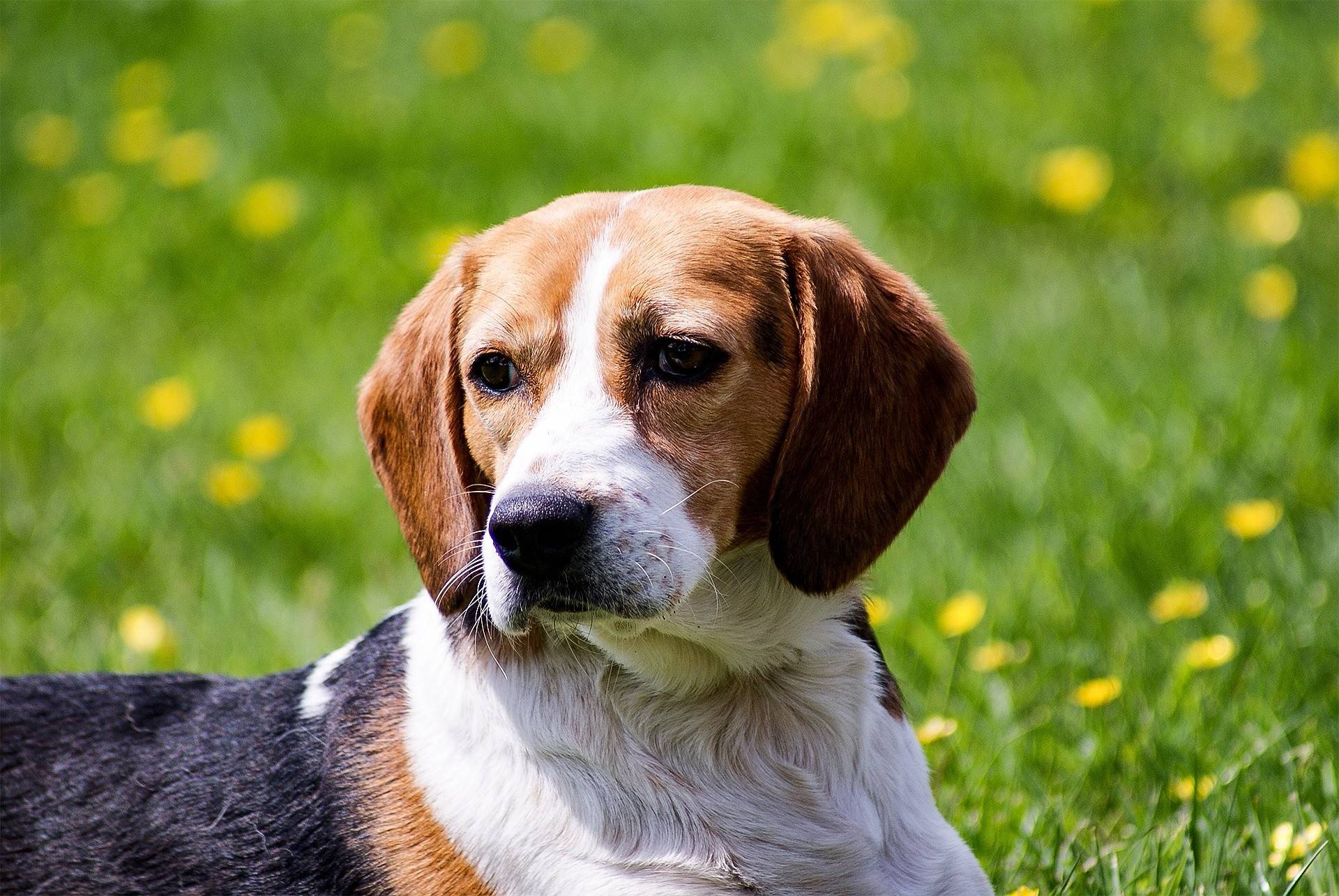
Personality: Affectionate, loving, playful, social, friendly, intelligent
10.4-13.6 kg (23-30 lbs)
Coat Colors: Lemon, black, brown, blue, white, red, tan
Short hair
Coat Patterns: Solid, tricolor, bicolor, pieds
Eye Color: Brown or hazel
10 to 15 years
No
History of the Beagle
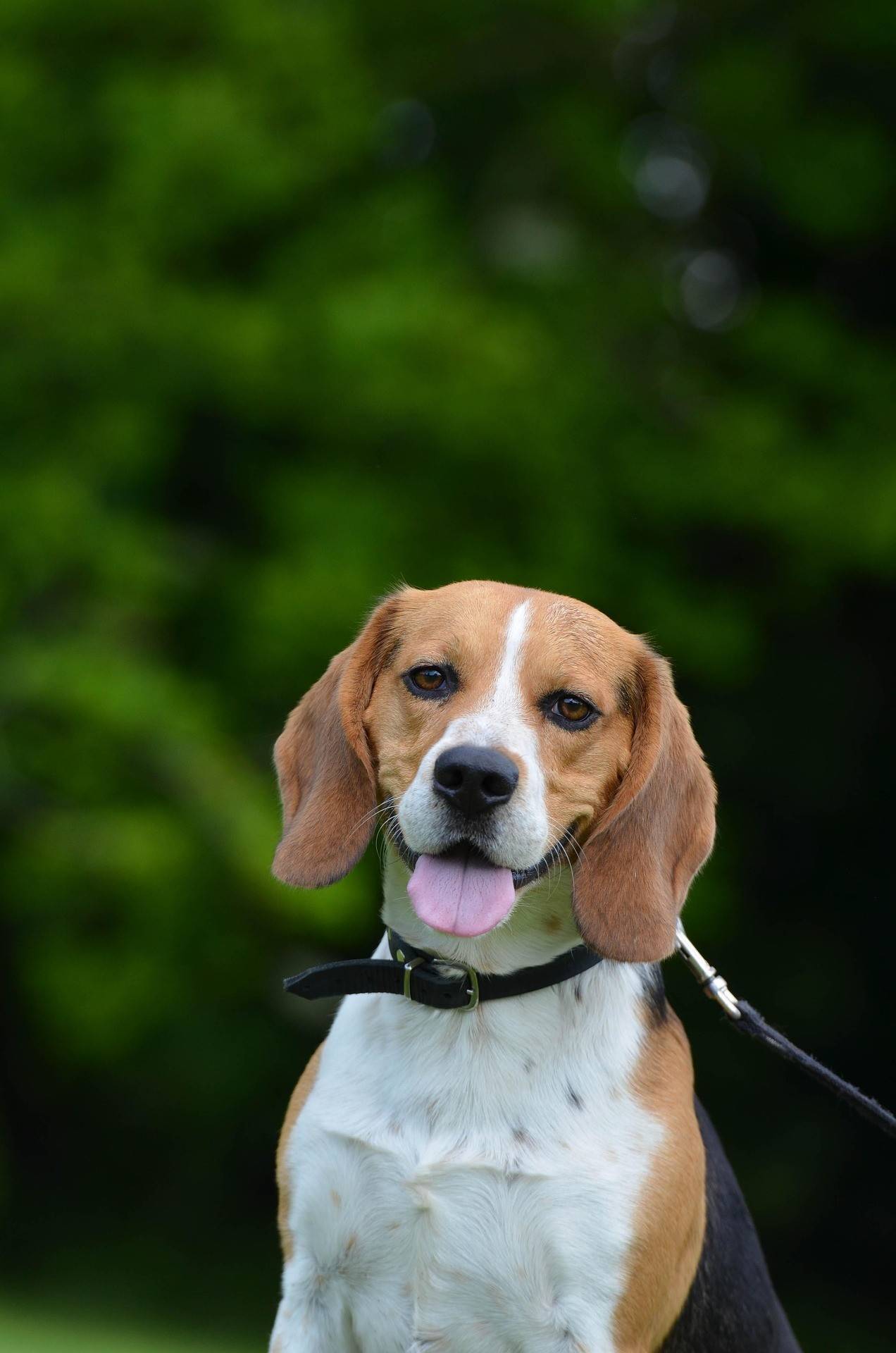
The history of the Beagles dates back to 5th-century Greece, where their ancestors were used to hunt hares. These small scent hounds were reliable hunters, and they gained significant popularity in England for their ability to chase and hunt.
Modern Beagles were thought to come from Talbot Hounds, large scent hounds brought over by William the Conqueror during the 11th century.
The dog breed became popular in the country, often referenced in several works of art, and kept as a companion by Queen Elizabeth I. Its name supposedly came from the French word “begueule, “ which means gate throat.
Over time, the breed became a popular choice for owners all around the world, even becoming the face of the iconic dog Snoopy.
Physical Characteristics of Beagle
Head
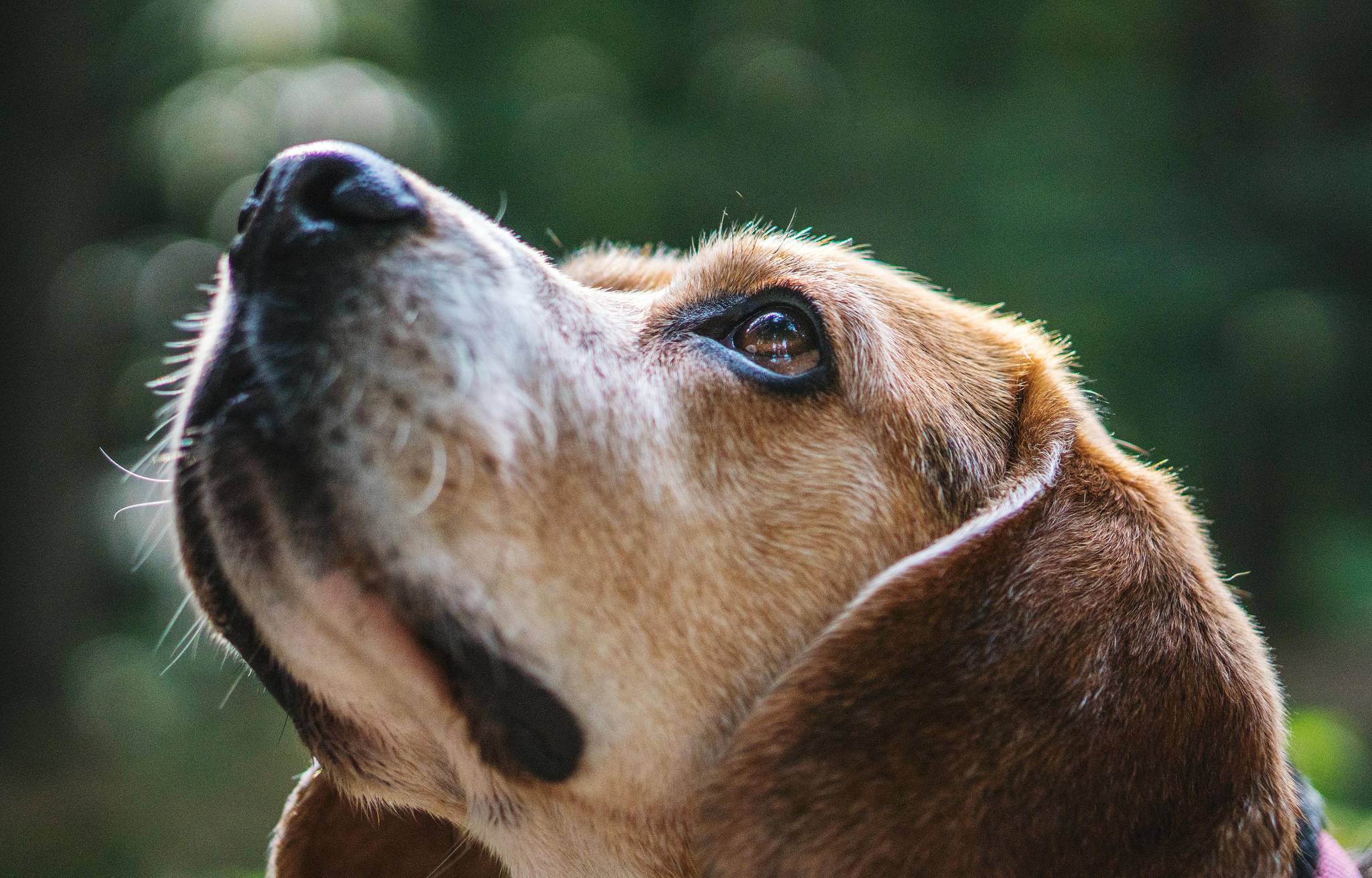
The head is slightly domed and moderately wide. It has a medium-length muzzle and is a square cut.
Eyes
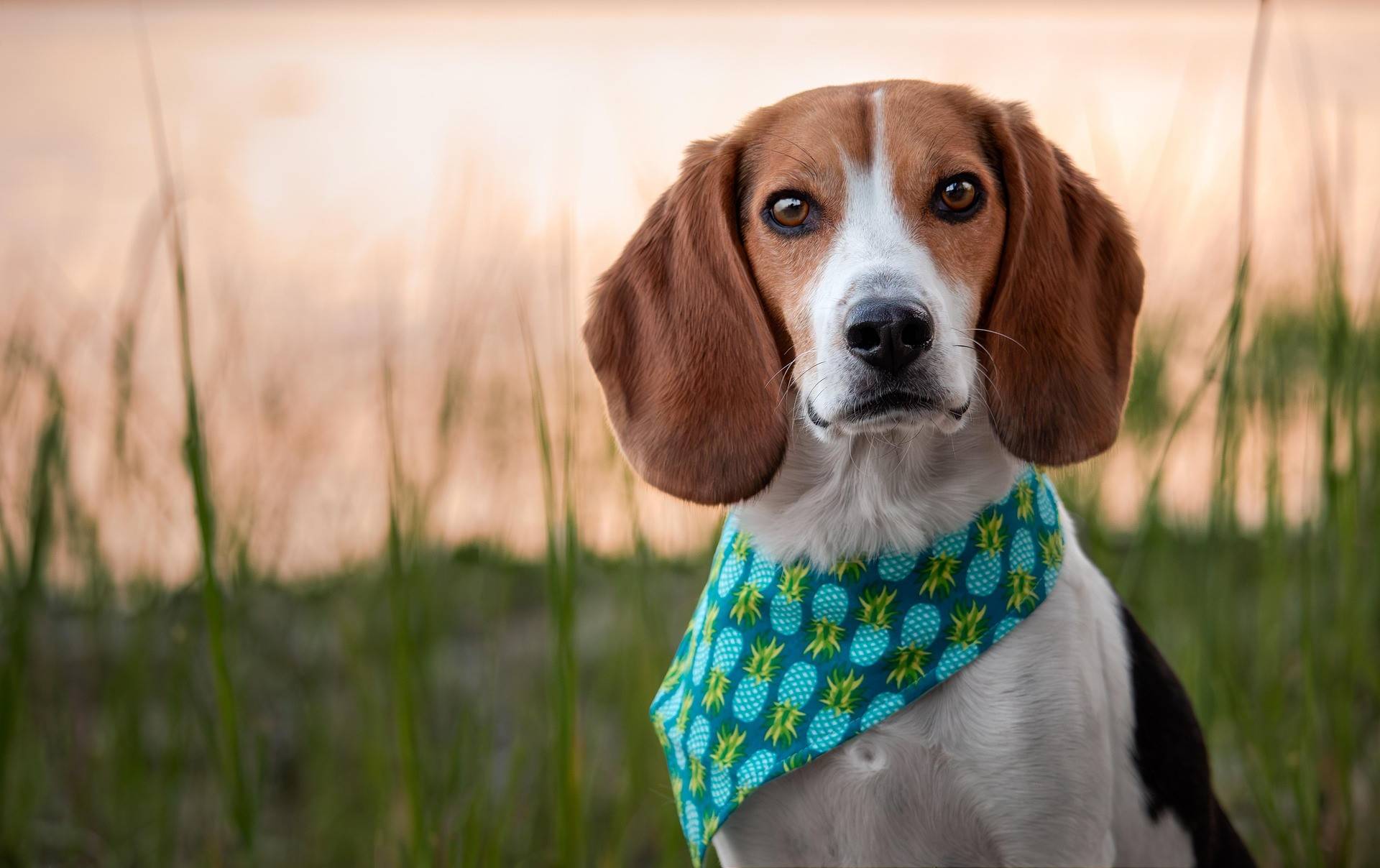
A Beagle’s eyes are almond-shaped and are present in colors from brown to hazel.
Ears
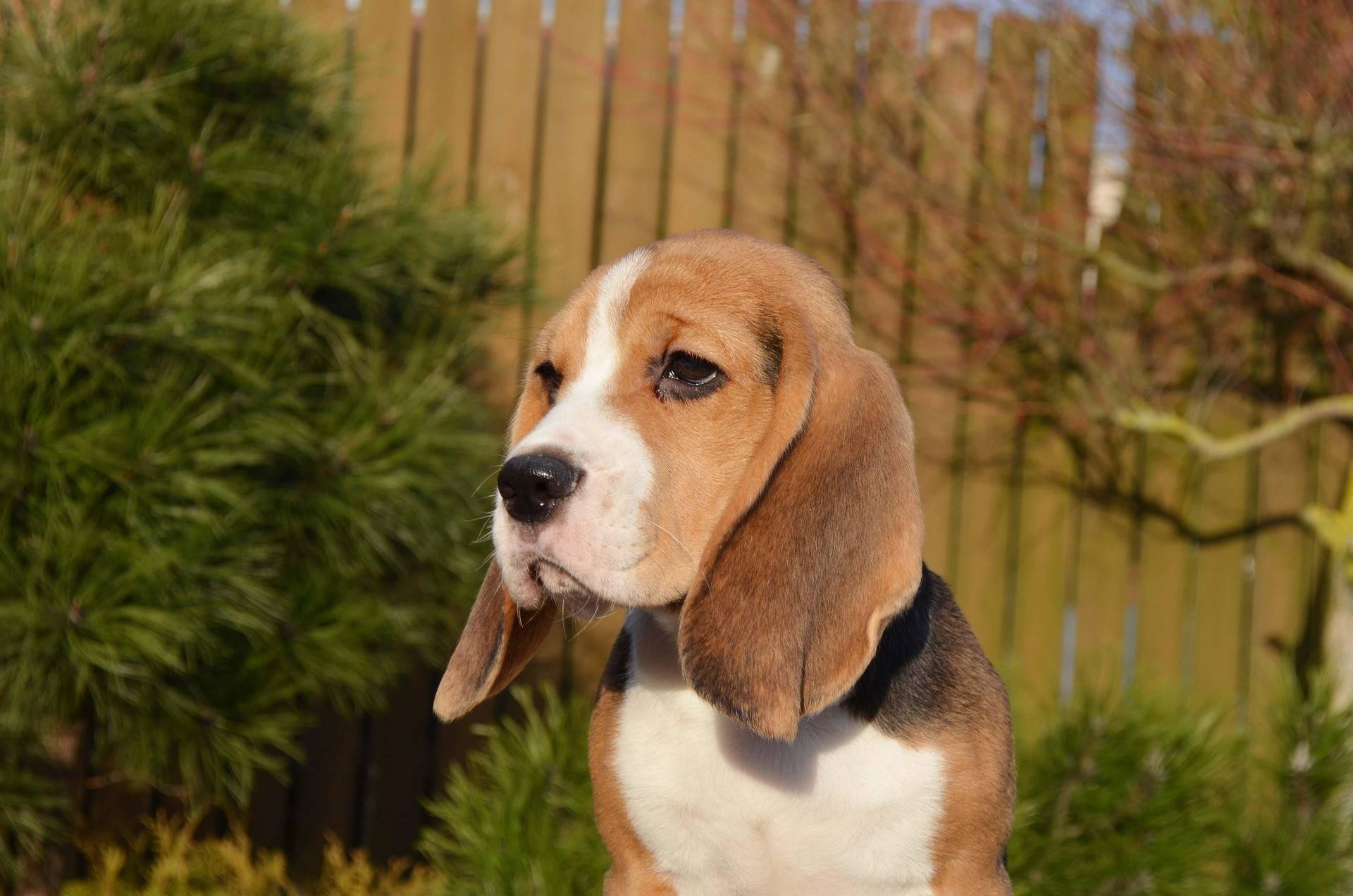
The ears are soft, long, and floppy. These are almost long enough to reach the Beagle’s nose.
Body
They have a compact and muscular build with a short back.
Limbs
Beagles have limbs that are shorter in proportion to their body. The front legs are straight, and the hind legs are slightly bent.
Tail
The tail is moderately long and is often carried gaily, without any curl. The tip has a distinct, white color.
Coat
Beagles have a short, dense, and smooth double coat that is thick and sheds moderately. Colors come in lemon, black, brown, blue, white, red, and tan.
Size
Males: 35.5- 40.6 cm (14-16 inches); Females: 33-38 cm (13-15 inches).
Weight
Males: 11.3-13.6 kg (25-30 lbs); Females: 10.4-12.7 kg (23-28 lbs).
Just welcomed a Beagle
What to Expect With a Beagle
Vocalization Level
Beagles are very vocal and expressive, using barking, howling, and body language to communicate with their owners.
Energy Level
They have a moderately high energy level, which often stems from their curiosity and playfulness. These dogs love to play with their families.
Independence Level
Beagles are not that independent, as they love human interaction and companionship. If left alone for long periods of time, it can affect their mood.
Affection Level
These dogs are very affectionate and friendly. They love being with their owners and are open to meeting new people.
Compatibility with Children
Because of their playful nature, they are good with children, especially when given the right supervision.
Compatibility with Other Pets
They can also get along with other pets with early socialization. However, their strong prey drive can be a problem when being with other smaller pets.
Adaptability Level
These dogs are generally adaptable and can adjust to any situation. However, they would need their owners' guidance and companionship to fully adjust.
Trainability Level
They can be trained, but this will require more effort on the part of both trainers and owners due to the Beagle’s stubborn nature.
Exercise Requirements
An hour of exercise should be the minimum amount for Beagles. Running, playtime, scent-based activities, and leash walking are good ideas.
Mental Stimulation Needs
Scent work, training, and interactive toys at home can be good ways to keep Beagles mentally stimulated. They can be sad and destructive when bored.
Grooming Frequency
Beagles need frequent grooming to manage their shedding and short coat. Weekly brushing and a bath every 1 to 2 months are recommended.
Health Concerns of Beagle
How to Groom a Beagle
Coat Maintenance
Beagles should be brushed 1 to 3 times a week, depending on the activity level. A soft-bristle brush should do the trick.
Skin Health
Because they can be prone to skin infections and allergies, it’s important to brush their coat regularly. Also, avoid over-bathing and use gentle shampoos only.
Bathing Routine
A bath should be given every 1 to 2 months, or if they get too dirty. Use a pet-safe shampoo and make sure to dry them thoroughly.
Nail Trimming
Generally, trimming every 2 to 3 weeks is recommended, but this can vary. Use sharp nail clippers meant for dogs.
Ear Cleaning
Ideally, these dogs require ear cleaning once a month. Use a dog-friendly ear cleaner and gently wipe away the debris with a cotton ball.
Eye Care
For the eyes, Beagles don’t need frequent cleaning sessions. Just clean them whenever they have dirt or discharge. Use a damp cloth and wipe in an outward motion.
Dental Hygiene
Daily teeth brushing is recommended, but brushing twice to three times a week is still enough. Use a vet-approved toothpaste and toothbrush.