Breed Overview
Personality: Loyal, independent, reserved, intelligent, calm, discerning, protective, and strong-willed
20-32 kg (44-71 lbs)
Coat Colors: Red, black, blue, cinnamon, and cream
Short to long
Coat Patterns: Solid
Eye Color: Dark brown, amber, and blue
8-12 years
No
History of the Chow Chow
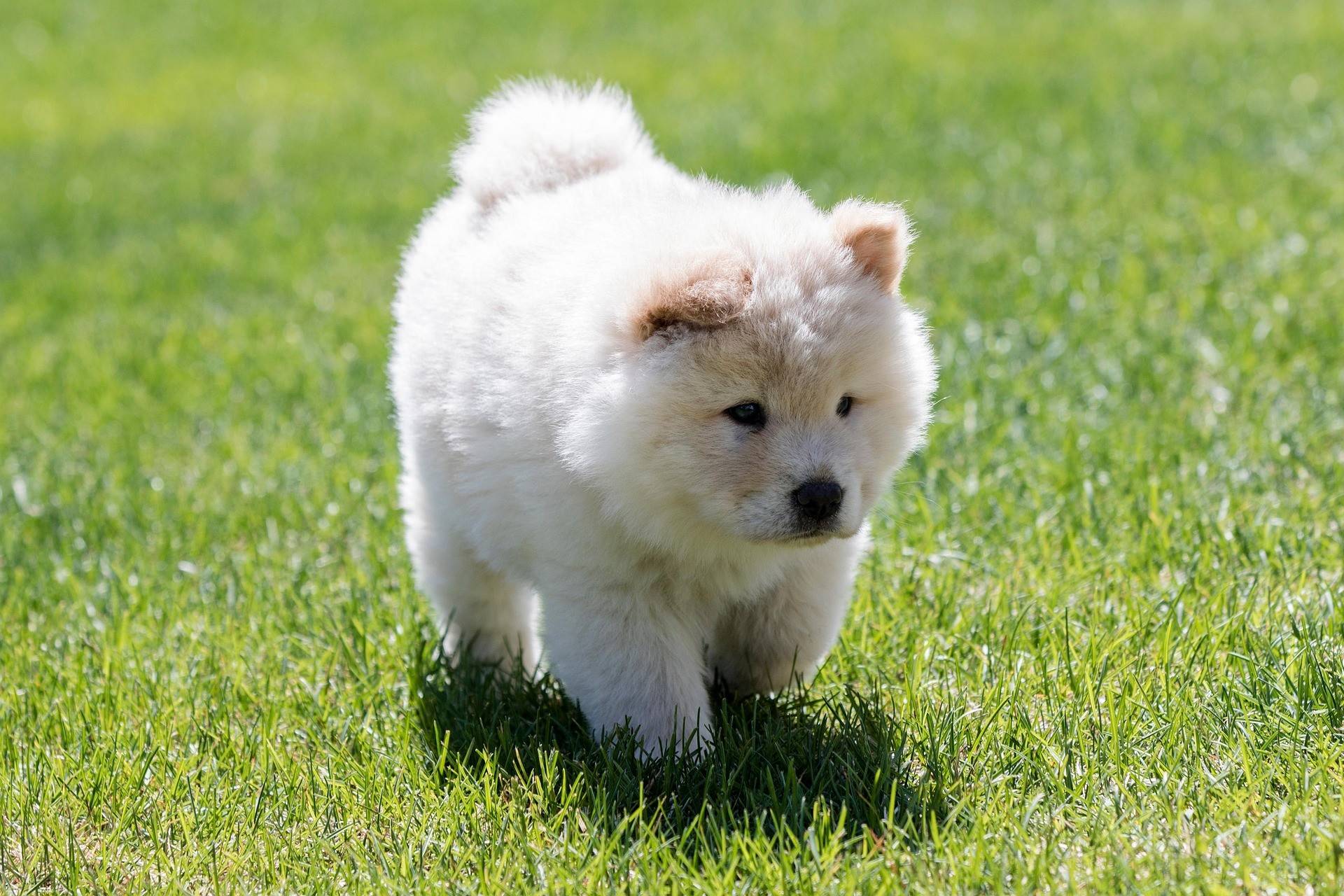
The Chow Chow dog breed is known as one of the oldest in the world, with origins dating back to China's Han Dynasty. They are also thought to descend from indigenous dogs in northern and Central China, commonly used for work, hunting, companionship, and protection.
As working dogs, they pulled sleds and guarded Buddhist temples, serving as reliable companions for the people of the time. Because of their thick double coat, these dogs were able to endure the harsh cold of Northern China.
Chow Chows are believed to be related to the Samoyed, Pomeranian, and even the Norwegian Elkhound. The name "Chow Chow" likely comes from a Cantonese term for imported goods, and the breed was first recognized in the West in the late 19th century. Over time, their popularity grew, even amongst other indigenous dogs.
Today, Chow Chows have remained a popular choice mainly because of their "teddy bear" look and independent nature.
Physical Characteristics of Chow Chow
Head
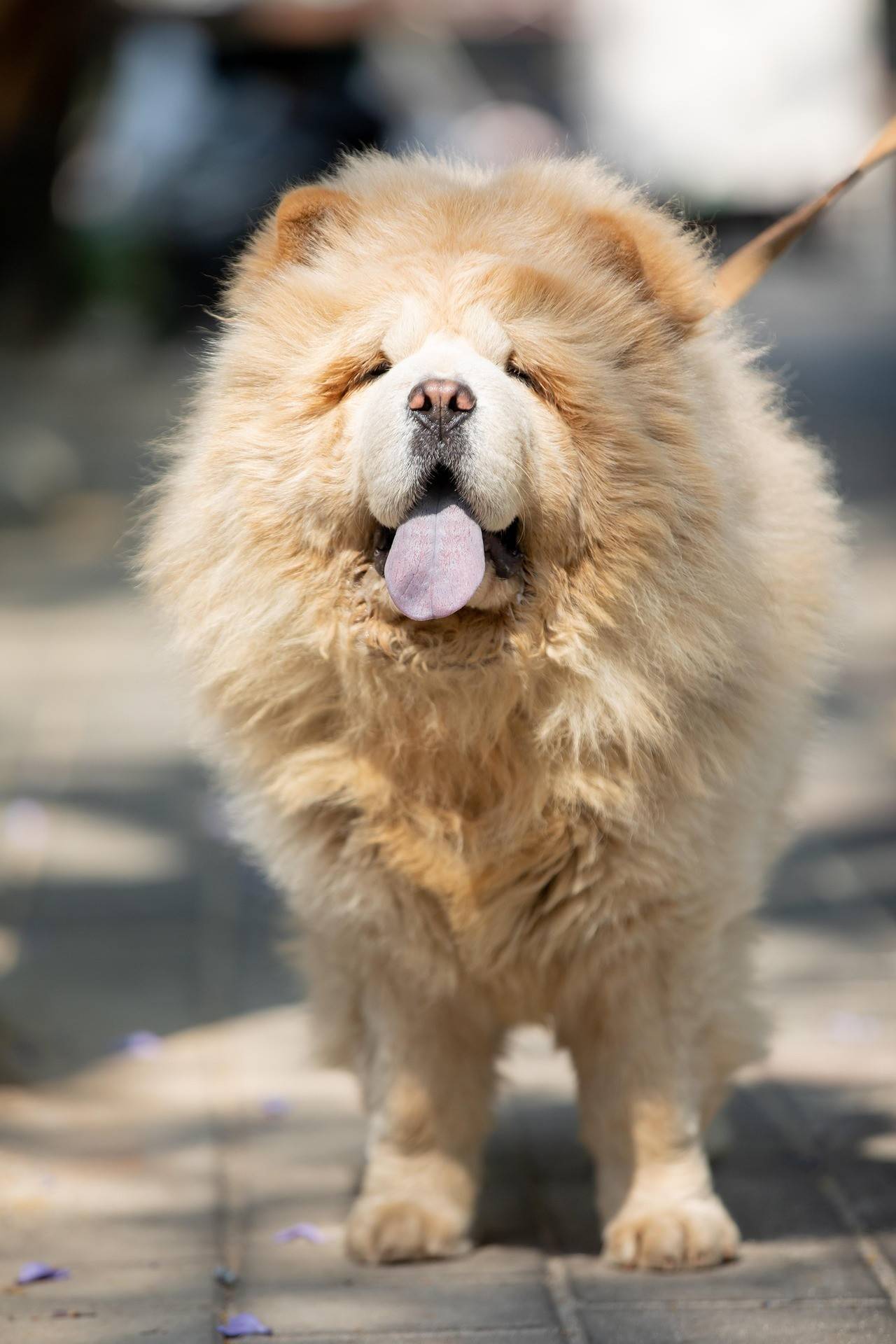
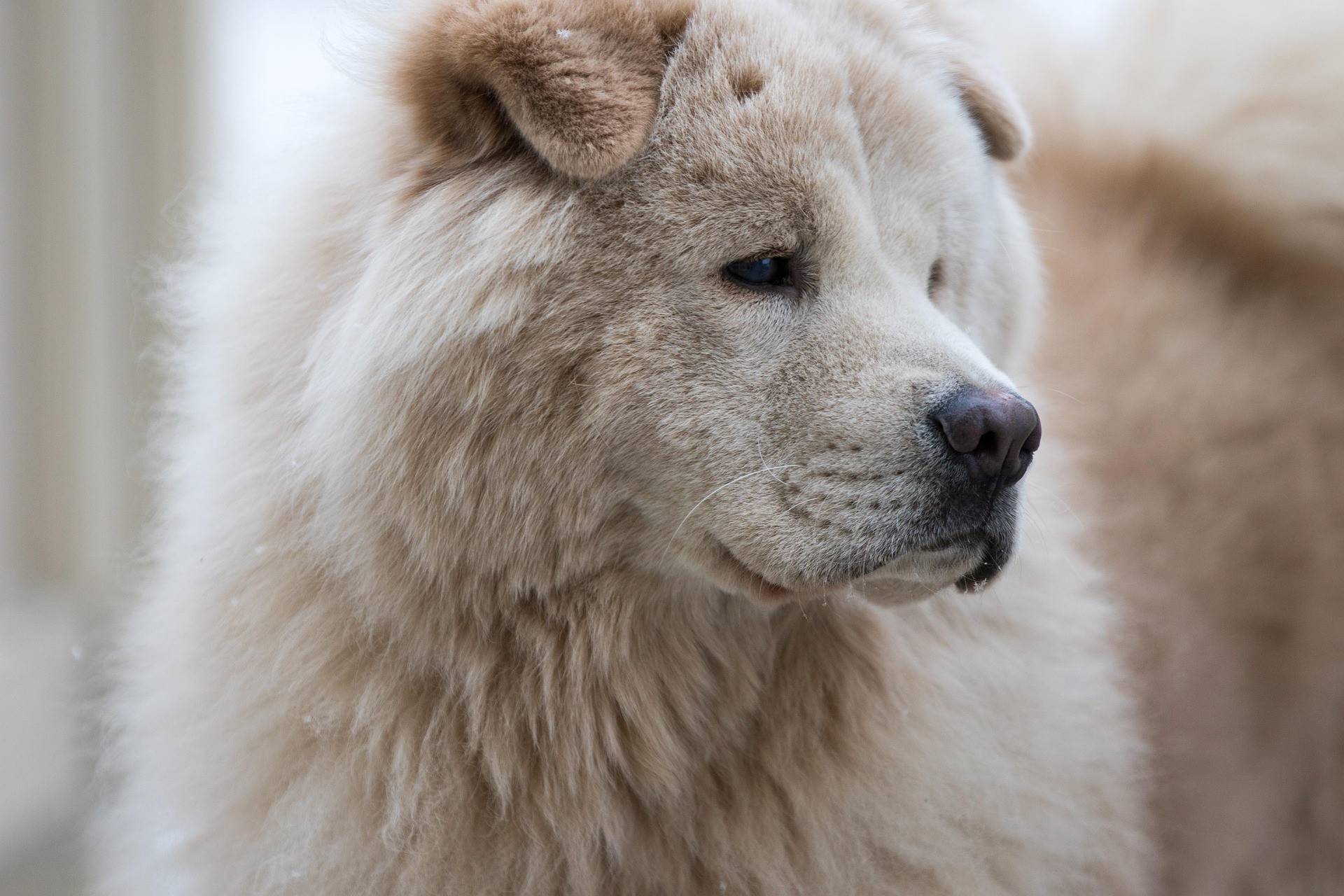
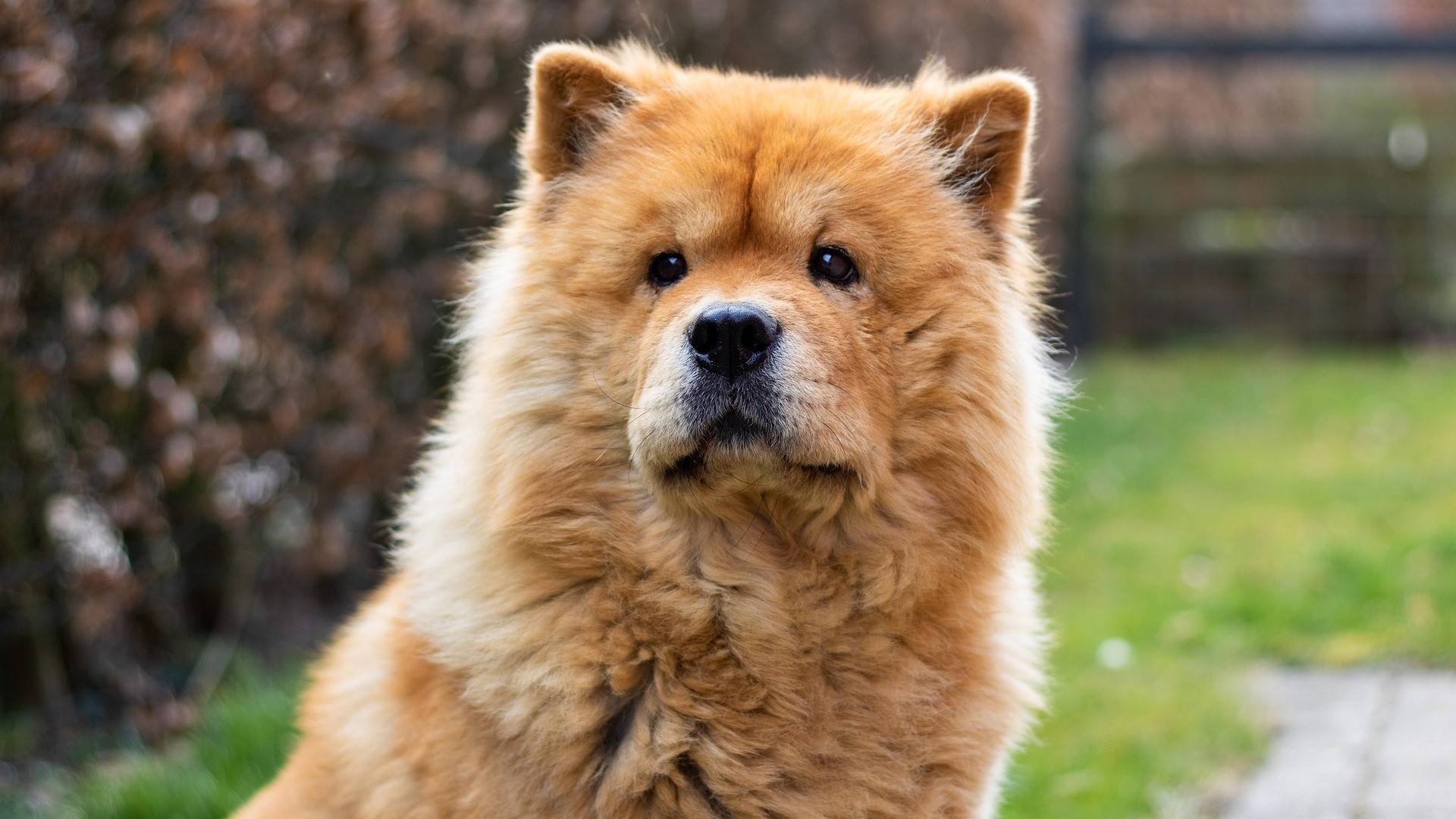
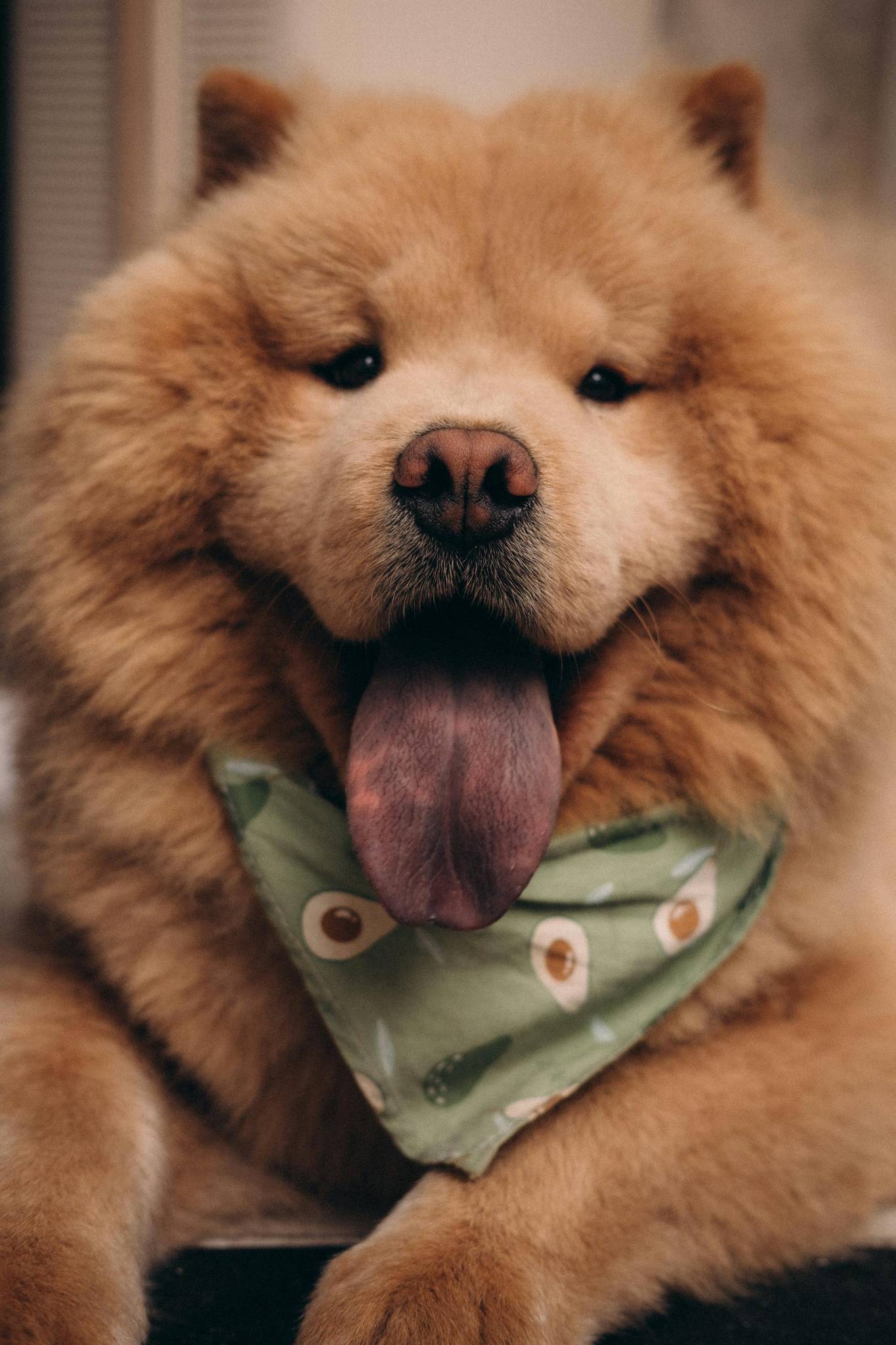
The Chow Chow has a massive, broad head with a flat skull and a short muzzle. They have a distinctive lion-like mane and a majestic, dignified scowl. Chow Chows also have a distinctive blue-black tongue.
Eyes
A contributing factor to their signature thoughtful expression is their eyes, which appear deep-set and almond-shaped. They provide the breed with a regal and mysterious look.
Ears
Chow Chows have small, triangular, and erect ears with the tips being slightly rounded. They are set widely apart on their broad skulls. The ears also tilt stiffly forward.
Body
Their body is compact, with a broad chest and well-defined limbs. Chow Chows have a strong back with well-defined muscles. Because of this body type, they have a short and stiff movement style.
Limbs
Chow Chows have sturdy, straight legs and rounded paws. Their limbs are heavily boned, muscular, and built for their stable frame.
Tail
The tail of a Chow Chow is set high and is densely covered in thick fur. It's tightly curled over the dog's back at all times.
Coat
Chows have a dense, double-layered coat that is either rough or smooth, with the rough variant being more common. The rough coat is long, while the smooth coat is short or medium in length. Their fur comes in colors like red, black, blue, cinnamon, and cream.
Size
Males have a height of 45-58 cm (18-23 inches), while females are about 43-53 cm (17-21 inches) tall.
Weight
Both male and female Chows weigh around 20-32 kg (45-71 lbs).
Just welcomed a Chow Chow
What to Expect With a Chow Chow
Are Chow Chows Vocal?
Chow Chows are quiet and reserved. These dogs often snort, wheeze, or grunt because of their flat-faced nature. They bark mainly to alert their owners to strangers or unusual activity, reflecting their nature as guard dogs.
How Energetic Are Chow Chows?
They have low energy and enjoy a more sedentary lifestyle. While they still need daily walks, they may prefer short walks and lounging near their owners. In countries with hot weather and climates, walks must be carefully timed to avoid the high heat. Activities must also be kept light.
Can Chow Dogs Become Independent?
Chow Chows are known for their independent temperament. They're self-reliant and don't constantly seek human interaction. They love spending time on their own and can be aloof, especially with strangers. Some even prefer to sleep on cool floors in a separate room from their owners.
Are Chow Chows Affectionate?
Chow Chows are loving, but they aren't overly affectionate. They show their love on their own terms, usually through quiet companionship, watchful guarding, and sitting close. These dogs aren't lap dogs, but they do love showing subtle signs of trust.
Are Chow Chows Good for First-Time Owners?
In most cases, no. Chows are not recommended for first-time owners because they can be stubborn and have strong boundaries. They also have intensive grooming needs because of their thick coats.
How Are Chow Chows With Kids?
They are good family dogs, but are much more suited to older kids who know how to handle them. They aren't that great for younger kids who poke or play with them roughly. Chow Chows prefer calmer households and families to create strong bonds.
Can Chow Dogs Live With Other Pets?
It's possible, but early socialization and proper introductions are crucial. Because of their guarding instincts and independent nature, they can appear aloof or territorial around unfamiliar animals. If you're having a new pet, make sure introductions are done smoothly and gradually.
What Is It Like Living With a Chow Chow?
Chow Chows are banned in Dubai and the UAE. Their thick coats are not naturally suited for the region's hot and humid climates. In a general sense, they are comfortable with city life and apartment living, especially when the indoor temperature is suitable.
Can Chow Chows be Trained?
They can be trained, but it does take a lot of patience and consistency. Chow Chows are less eager to please compared to other trainable dogs, and are also strong-willed. They do best with short training sessions and positive reinforcement. It's best to avoid instilling fear or stress.
Do Chow Chows Need Exercise?
Chow Chows do need exercise and mental stimulation, but their specific requirements are moderate. They only need about 45-60 minutes of calm and gentle physical activity. This includes short walks and low-impact games. Be sure to avoid exercising outdoors during the hottest parts of the day.
What to Feed a Chow Chow?
Adult dogs need high-quality, protein-dense, and balanced diets. Foods with healthy fats are crucial to support their skin and thick coats. Additionally, since Chow Chows have a much lower activity level, portion control is crucial. About 3-4 cups of dry kibble a day, split into two meals, is the general recommendation.
How Often to Groom a Chow Dog?
Chow Chows are high-maintenance dogs who require brushing 2-3 times a week. Bathing can be done every 4-6 weeks. For professional grooming, it's recommended to schedule one every 6-12 weeks, especially if they get too dirty.
Health Concerns of Chow Chow
How to Groom a Chow Chow
Coat Maintenance
Chow Chows require brushing at least 2-3 times a week using a slicker brush and an undercoat rake to manage their dense double coat and prevent matting. Regular grooming helps reduce shedding, especially during specific shedding seasons.
Skin Health
Bathing Routine
They need baths every 4-6 weeks, or as needed if they get dirty or develop a noticeable odor. Use a mild dog shampoo designed for sensitive skin. Then, use a conditioner to help protect and detangle their coat. Be sure to rinse thoroughly and dry them completely.
Nail Trimming
For Chow Chows, trim nails regularly, about every 3-4 weeks. Since they are more indoor pets than outdoor ones, their nails won't naturally wear down. You'll need to help keep these in check. A big indicator that it's time to trim is when the nails make a clicking sound as your dog walks.
Ear Cleaning
Chow Chows have upright ears that don't need weekly cleaning, but it's recommended to clean them at least once a week. Use a pet-safe ear cleaning solution and wipe away the debris. If they have participated in outdoor activity, be sure to check their ears afterward.
Eye Care
Chows have deep-set eyes and occasional loose facial skin that's prone to eye issues, which may cause irritation and even injury. Clean and check their eyes daily. Routine wiping keeps the area clean and prevents tear stains. Use a soft, damp cloth for this.
Dental Hygiene
Ideally, brushing their teeth once a day is recommended, but even 2-3 times a week is enough. Start this routine at an early age so they can avoid plaque buildup, bad breath, and gum disease. Schedule dental exams at least once a year.
FAQs About Chow Chow