Breed Overview
Personality: Loving, loyal, intelligent, protective, active
27-45kg (59.5-99.2 lbs)
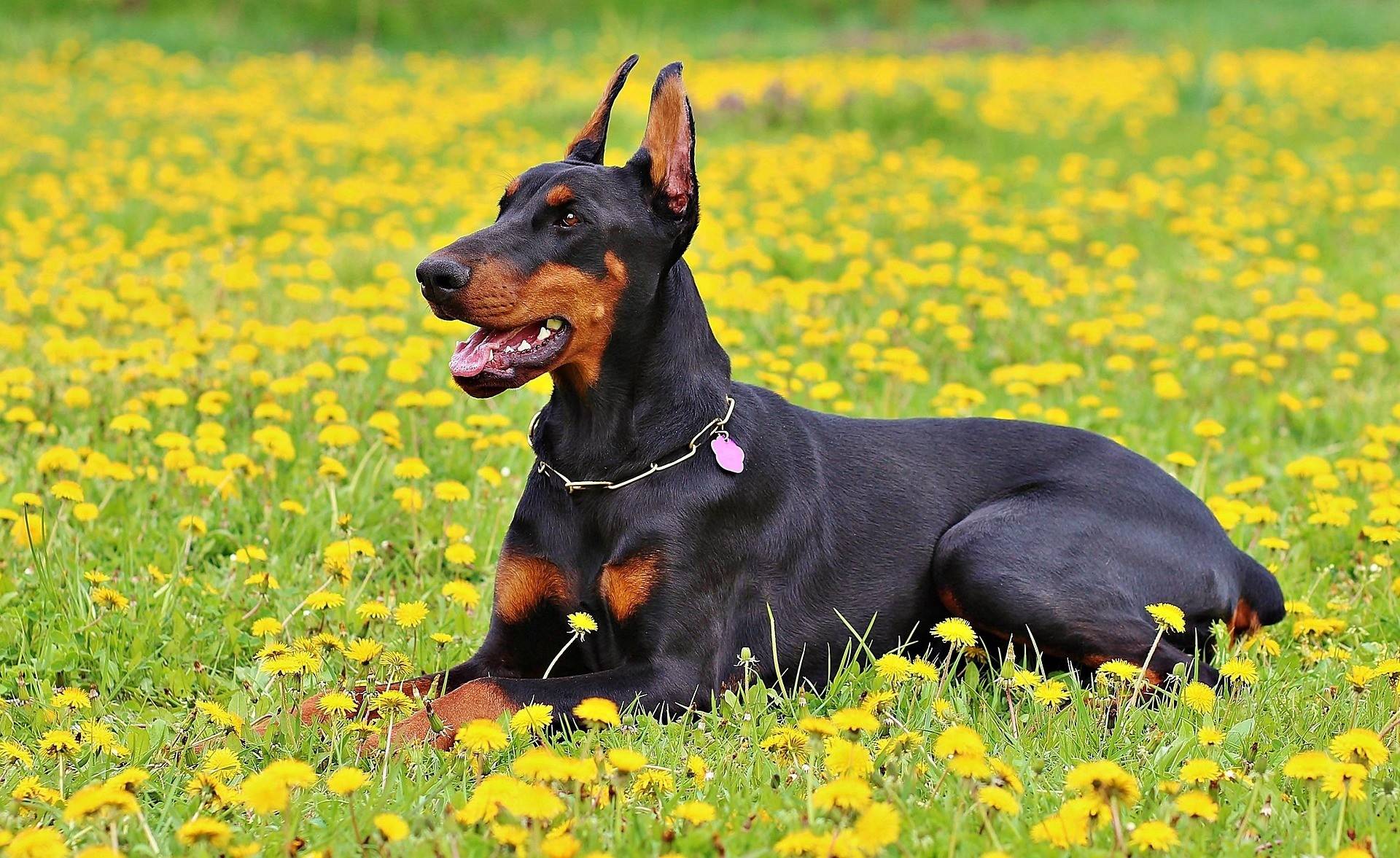
Coat Colors: Blue, black, red, fawn (with rust-like markings)
Short
Coat Patterns: Solid with rust-like markings
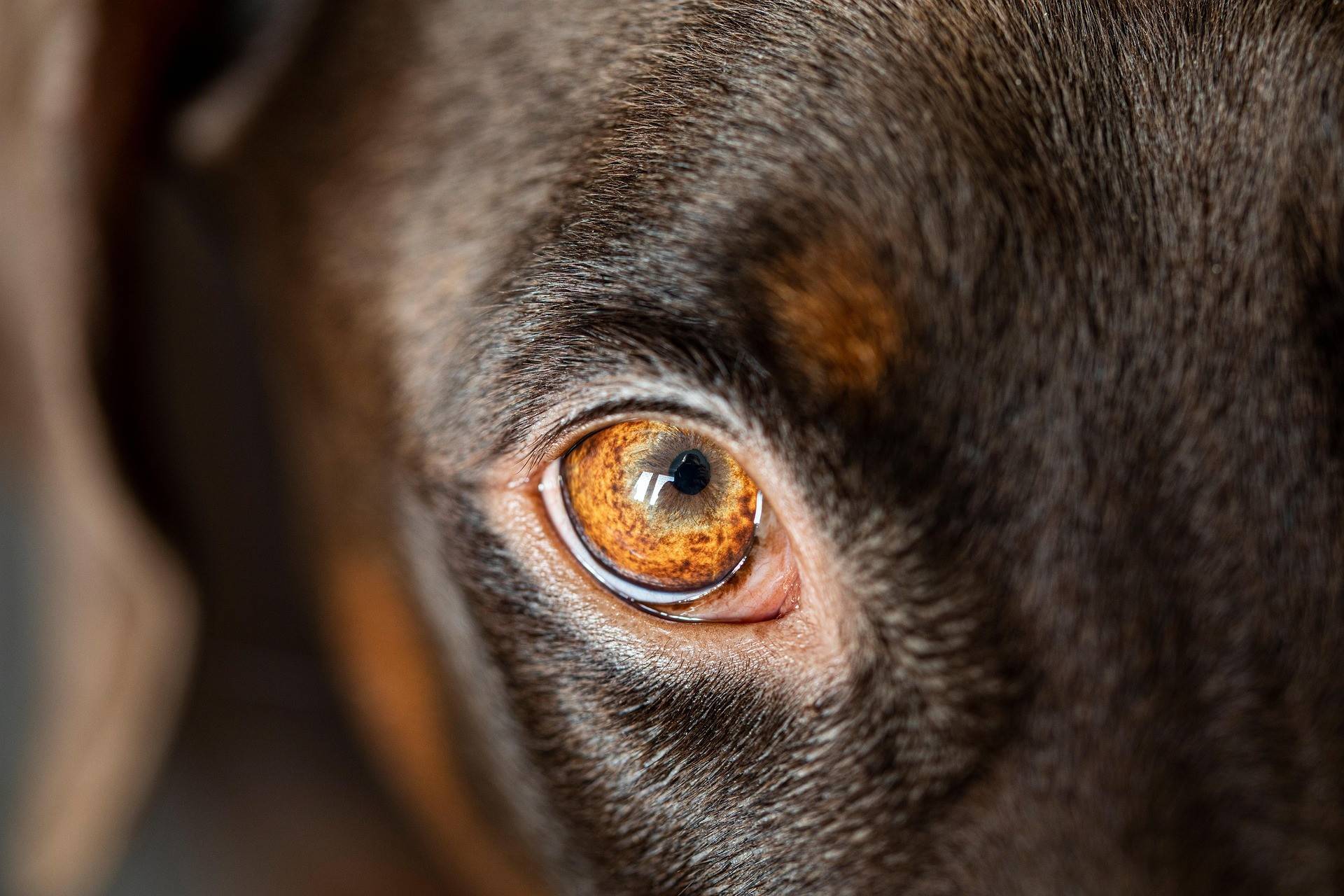
Eye Color: Brown to dark brown
10 to 13 years
No
History of the Doberman

The Doberman’s roots started with Karl Friedrich Louis Dobermann in the late 1800s. He was a tax collector who wanted a strong, loyal guard dog to accompany him on his rounds. He selected breeds such as the German Pinscher, Rottweiler, and Weimaraner to create the foundation for the Doberman Pinscher.
After Dobermann’s death in 1894, a breeder named Otto Göeller further developed the breed. He was also responsible for developing the first Doberman breed club. Since then, these dogs have gained worldwide popularity for their protective instincts and versatility.
These dogs also helped serve during World War II, proving valuable in the efforts. Today, Dobies have been a popular choice for people looking for a strong and loyal companion, guardian, and friend.
Physical Characteristics of Doberman
Head
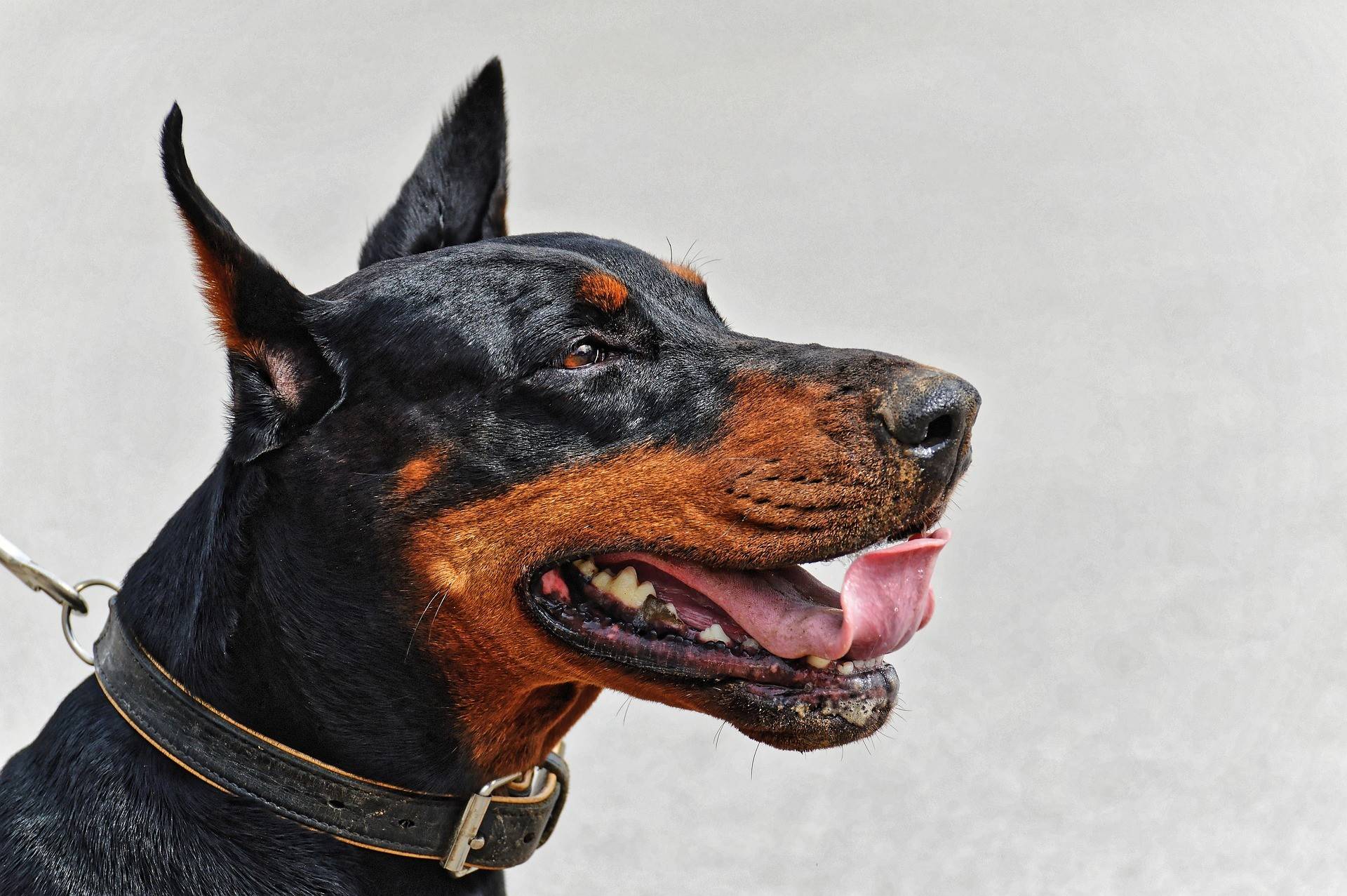
A Doberman has a long, wedge-shaped head with a well-defined skull. They have a strong jaw and proportionate muzzle.
Eyes
Their almond-shaped eyes are typically dark brown, though lighter shades can appear in blue and fawn Dobermans.
Ears
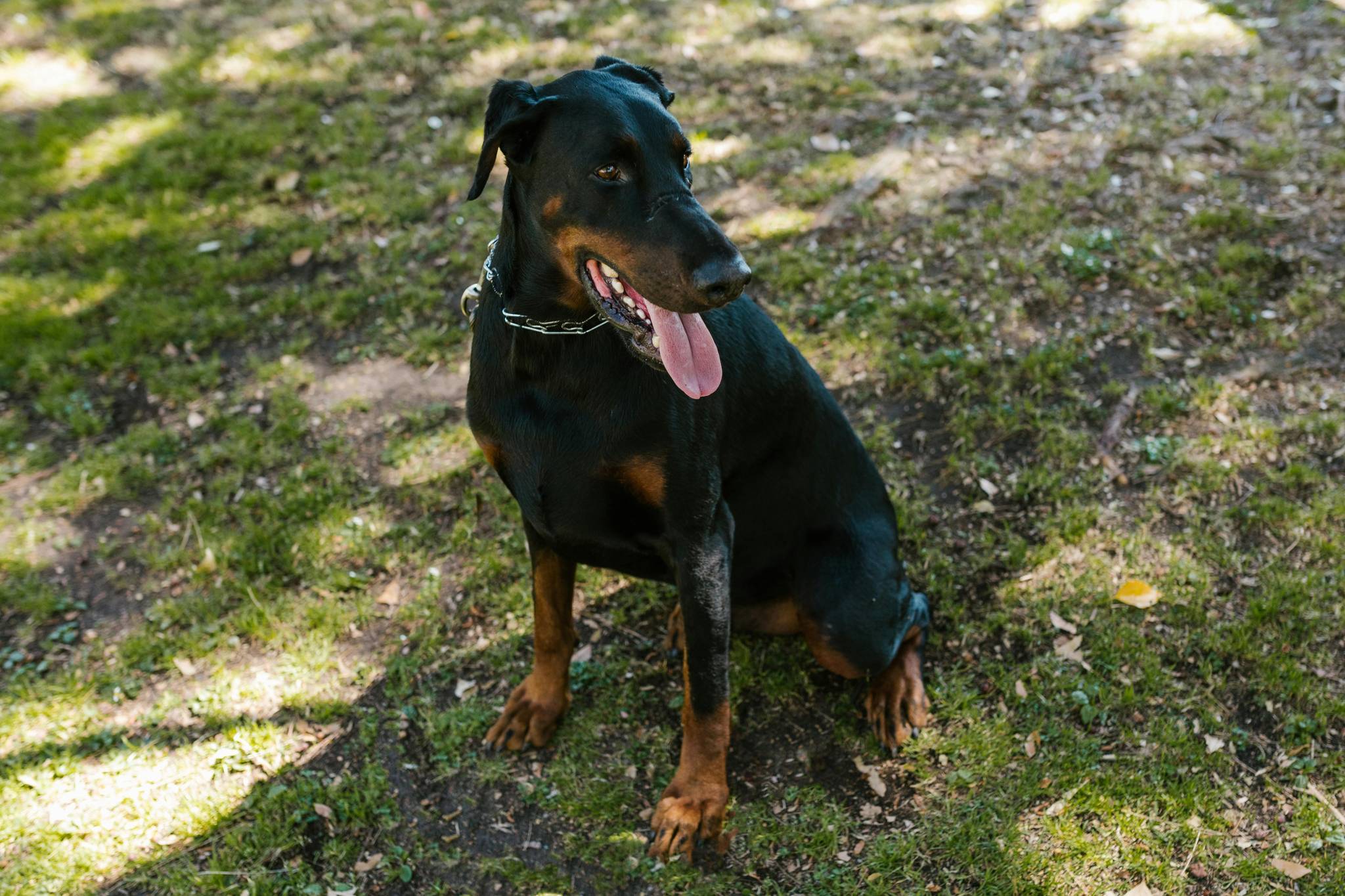
Naturally, they have medium-sized, floppy ears. However, they are traditionally cropped in some countries.
Body
Their body is sleek, muscular, and well-proportioned. They have a deep chest and a strong back.
Limbs
Dobermans have long, powerful legs that provide speed and agility. Their well-defined muscles allow them to be fast runners and strong jumpers.
Tail
Naturally, Dobermans have a long, thin tail that is whip-like and slightly curved when relaxed. In some countries, it is docked at a young age for traditional or working purposes.
Coat
Their short, smooth, and glossy coat lies close to the body. Colors include blue, black, red, and fawn with rust-like markings.
Size
Male Dobermans generally have a height of 66-71 cm (26-28 inches), while females have a height of 61-66 cm (24-26 inches).
Weight
Male Dobermans typically weigh 34-45 kg (75-100 lb), while females weigh 27-40 kg (47-90 lb).
Just welcomed a Doberman
What to Expect With a Doberman
How Vocal Are Dobermans?
These dogs are generally very vocal, communicating through barks, whines, grunts, and even howls. They don’t voice out randomly, as most of their vocalizations are with a purpose. One example is when Dobermans bark to alert owners of something suspicious.
Are Doberman Pinschers Active Dogs?
Yes, they are highly energetic and athletic dogs with significant physical and mental stimulation needs. They can benefit greatly from activities, as they can be destructive when they get too bored.
How Independent Are Dobermans?
These dogs are not too independent, as they love human interaction and companionship. Dobies were bred for personal protection, so they're wired to always stay close to their owners and even follow them from room to room.
Do Dobies Show Affection?
Yes, Doberman Pinschers are very affectionate and loving dogs. They are considered loyal companions who enjoy cuddling and playing with their owners, despite their otherwise intimidating and muscular appearance.
Can Doberman Pinschers Be First Pets?
They’re not ideal first pets for first-time owners because they have high energy needs and can sometimes be strong-willed. While they are loyal and protective, they need regular exercise, firm training, and socialization.
Are Dobermans Good for Kids?
Dobies can be good pets for kids because they are protective and loving. They are also patient dogs that love spending time with the family. However, their strong builds and large sizes will require supervision when with younger kids.
Can Dobies Get Along With Other Pets?
Yes, Dobermans can form strong bonds with other pets in the house, especially when they are socialized and trained early on. They do have a high prey drive, so there’ll be a bit of an adjustment period when they are paired with smaller animals.
What Is It Like to Have a Doberman?
Owning a Doberman Pinscher is like having a strong and loyal protector by your side. Their needs are quite high, especially when it comes to training and exercise. However, their affectionate nature makes them excellent family pets.
Are Dobermans Easily Trained?
Yes, these dogs are highly intelligent and easy to train. Dobies can learn commands and tricks quickly, especially when given positive reinforcement and rewards. However, they can also be strong-willed and stubborn at times.
How Much Exercise Do Dobies Need?
Doberman Pinschers need about 1.5 to 2 hours of exercise per day to stay physically and mentally active. This includes activities such as fetch, running, hiking, agility exercises, and obedience training.
What to Feed a Doberman Pinscher?
They need high-quality protein-rich diets to maintain their strong and lean build. Common options include chicken, beef, lamb, and fish. Strive to feed around 3 to 5 cups, or more, of high-quality dog food per day.
How Often to Groom a Doberman?
Because they have short coats, they don’t have high grooming requirements. They do require brushing at least once a week to remove loose hair and debris from outdoor activity. Baths can be done once every 2 to 3 months.
Health Concerns of Doberman
How to Groom a Doberman
Coat Maintenance
Doberman Pinschers have a short, sleek coat that requires minimal maintenance. Weekly brushing with a soft-bristle brush is recommended.
Skin Health
These dogs benefit from moisturizing products and pet-safe shampoos that are gentle and non-harsh. Also, avoid over-bathing Dobermans to avoid skin issues.
Bathing Routine
Dobermans do not need frequent baths. A bath every 2 to 3 months is sufficient, but this can be less frequent depending on lifestyle. Be sure to dry them thoroughly.
Nail Trimming
Like other dogs, Dobies need regular nail trimming every 2 to 3 weeks, or until they get too long. You’ll know when their nails make loud sounds when they walk on floors.
Ear Cleaning
Ears should be cleaned once every 1 to 2 weeks. Use a safe ear-cleaning solution and a cotton ball. Never use a cotton swab, as this can potentially be dangerous.
Eye Care
Check the eyes daily for any tearing, mucus, or debris. Some Dobermans are prone to eye infections and allergies, so be sure to clean their eyes daily, especially after some outdoor activity.
Dental Hygiene
Dobies need regular teeth cleaning at home. Daily is recommended, while brushing twice or thrice a week is the minimum. Use a vet-approved toothpaste and toothbrush.
FAQs About Doberman