How Long Do Cats Live? A Guide on Lifespan and Life Stages


How Long Do Cats Live? A Guide on Lifespan and Life Stages

How Long Do Cats Live? A Guide on Lifespan and Life Stages

Dr. Nenad Misura

Updated Date

Updated Date

7 minutes

7 minutes

Custom Icon
Custom Icon
Custom Icon

This article has been reviewed by Dr. Soheyl Simaei on May 25, 2026.
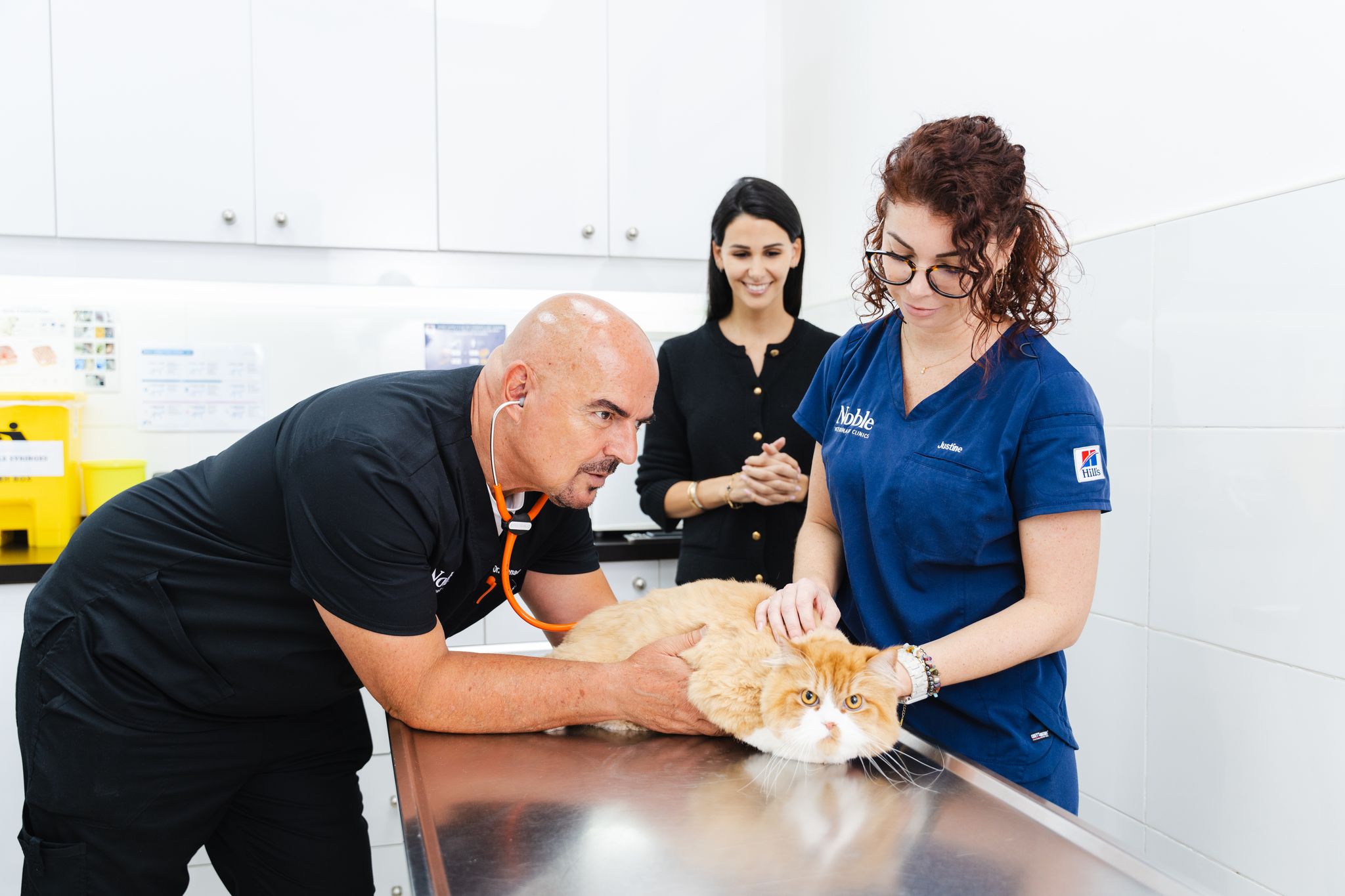
A veterinarian is using a stethoscope to check a cat's condition. Another vet is helping by holding the cat gently. The pet owner is nearby.

In This Article

In This Article

On average, most cats live between 13 and 17 years. Still, several factors may increase or decrease this range, depending on the cat and their living conditions. 

When properly cared for, cats may live happily into their late teens or even 20s. Here’s our guide on how long cats live and how to care for one.

Key Takeaways

The level of care directly affects how long cats live.

Cats have specific needs depending on their life stages.

Veterinary care is essential for a cat’s longevity.

What affects a cat’s lifespan?

The length of a cat’s life can be determined by factors such as genetics, nutrition, level of veterinary care, environment, and whether the cat lives indoors or outdoors. Here’s a brief overview of each factor according to Dr. Soheyl:

Genetics

Some cats inherit a higher risk of certain diseases because of their genetic makeup. For example, Persian cats are genetically predisposed to several conditions, such as polycystic kidney disease and brachycephalic airway syndrome.

These may affect their overall quality of life and longevity. Additionally, mixed-breed cats live longer than purebred cats because of their greater genetic diversity, which lowers the risk of breed-specific problems. 

Nutrition

Good nutrition prevents disease, avoids obesity, and provides energy. A well-balanced diet for cats, paired with exercise, is a good way to increase lifespan. 

Preventive Care

Veterinary care positively affects how long cats live through these benefits: 

  • Early detection of health problems

  • Spaying and neutering to prevent life-threatening cancers

  • Vaccinations and deworming treatments against severe diseases

  • Complete dental care to avoid bacteremia
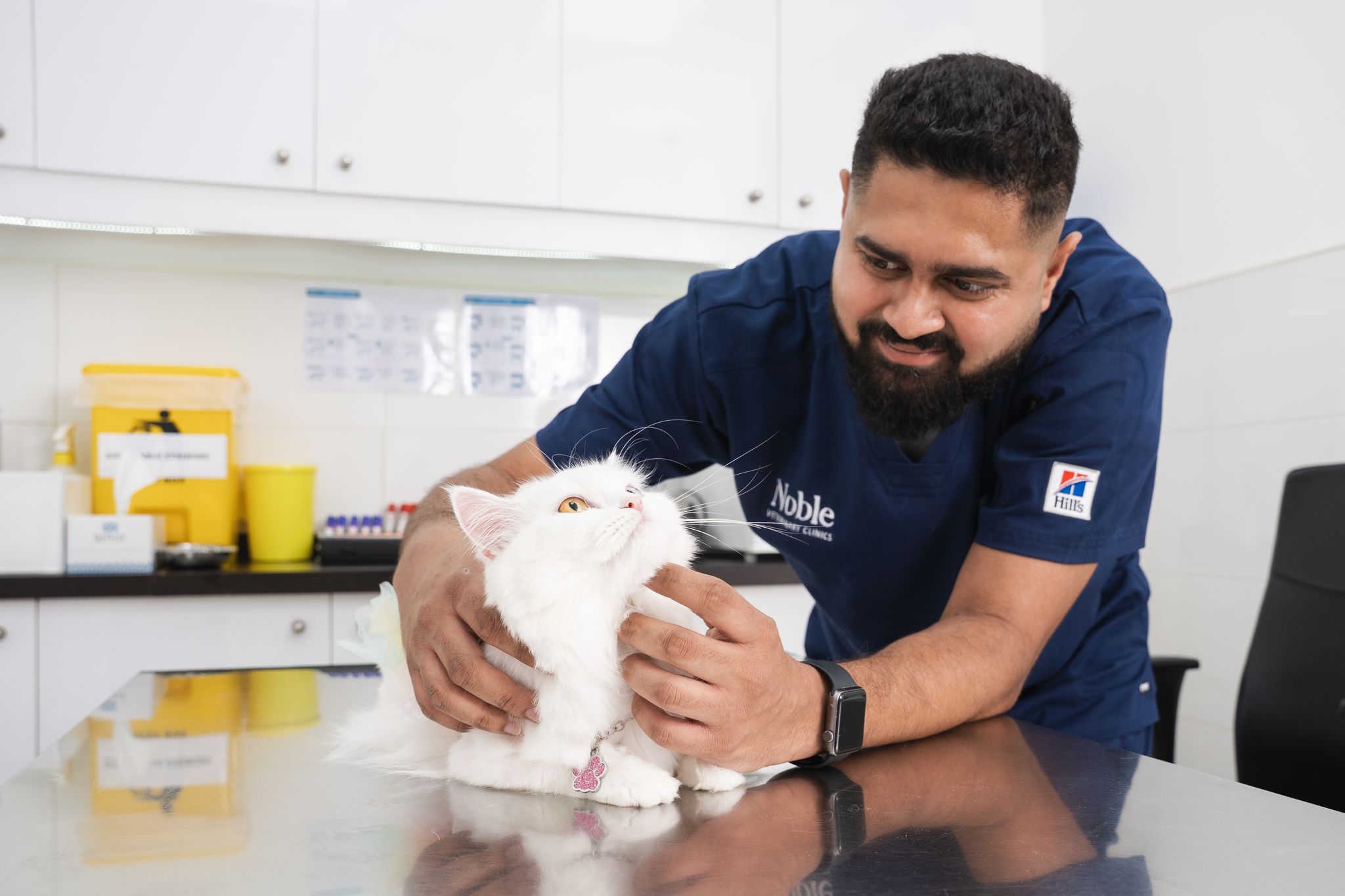
A veterinarian is taking care of a white cat inside the vet clinic.

Indoor vs Outdoor Living

Indoor cats are safer from significant dangers and enjoy a much longer lifespan. Free-roaming outdoor cats typically live about 2-5 years due to severe hazards such as traffic, infectious diseases, toxins, and parasites.

Lifestyle and Home Care

Chronic stress, unclean homes, and dirty litter boxes can affect a cat’s physical and behavioral health, negatively impacting lifespan. This includes urinary issues, digestive problems, and susceptibility to infection.

Home care is also a factor. When cats are cared for properly at home, including regular dental brushing and exercise, they live longer.

Want to help your cat live a longer life?

Want to help your cat live a longer life?

Let our vets help.

Let our vets help.

What to expect for each cat life stage?

A cat starts as a kitten, then grows into a young adult, a mature adult, and eventually, into a senior. 

Kitten (Birth to 1 year)

Kittens will require proper nutrition tailored to their age to support growth and development. To complement this, they should complete their full vaccinations and deworming treatments. 

Expect high energy and teething. This is the right time to establish good habits, such as litter box training and using toys to redirect biting and scratching. You should also start gradually introducing them to coat and dental brushing as part of their regular grooming routine

Young Adult (1-6 years)

Young adult cats are active and curious but more settled than kittens. They’ll have more stable routines and strong instincts. 

Cats at this age will require ongoing routine care, such as annual boosters and professional dental cleanings. Deworming should be performed every 3-6 months. Depending on your cat’s breed, aim to provide two 15-minute play sessions daily to promote exercise. 

Mature Adult (6-10 years)

Mature adults will start to show age-related conditions and long-term health problems, even if they still look healthy on the surface. Expect changes in their weight, activity, dental health, appetite, and even habits. 

One example is that a mature adult cat may no longer cover their poop in the litter box. Another is when they start to slow down. Some may develop issues such as diabetes or dental disease.

Senior (10+ years)

Senior cats will need more comfort and medical support. You should expect significant stiffness, weight changes, reduced grooming, and behavioral changes. 

While adults are recommended to have annual exams, seniors will need a checkup every 6 months. This includes bloodwork and urine testing. Seniors should still be given vaccines and deworming treatments as part of their routine care. 

A veterinarian in a black shirt is holding a cat gently and talking to the pet owner about its care.

“Helping your cat live long starts by understanding everything in their lives.”

- Dr. Nenad Misura

A cat’s lifespan only extends to a part of our own, which is why we must do everything we can to keep them right by our side. Start with routine care as the foundation and complement it with a happy environment and a loving home. 

Frequently Asked Questions

Why do cats live longer when they are spayed or neutered?

The procedure eliminates the risk of testicular, ovarian, and uterine cancer. It prevents dangerous infections, such as pyometra. Spaying and neutering also reduce roaming and improve behavior.

Why do cats live longer when they are spayed or neutered?

The procedure eliminates the risk of testicular, ovarian, and uterine cancer. It prevents dangerous infections, such as pyometra. Spaying and neutering also reduce roaming and improve behavior.

What health problems are common in senior cats?

Chronic kidney disease, osteoarthritis, hyperthyroidism, periodontal disease, and diabetes are common examples.

What health problems are common in senior cats?

Chronic kidney disease, osteoarthritis, hyperthyroidism, periodontal disease, and diabetes are common examples.

At what age should my kitten get vaccinated?

Our veterinarians recommend starting your kitten’s vaccinations at the age of 6-8 weeks, with boosters every 3-4 weeks until they are 16-20 weeks old.

At what age should my kitten get vaccinated?

Our veterinarians recommend starting your kitten’s vaccinations at the age of 6-8 weeks, with boosters every 3-4 weeks until they are 16-20 weeks old.

How does a kitten’s behavior change into an adult's?

Both kittens and young adults have high energy levels. However, young adults prefer short, but stimulating bursts of play. Kittens may also demand affection from whoever is around, while adults are more selective of who they trust.

How does a kitten’s behavior change into an adult's?

Both kittens and young adults have high energy levels. However, young adults prefer short, but stimulating bursts of play. Kittens may also demand affection from whoever is around, while adults are more selective of who they trust.

How long do cats sleep based on life stage?

Kittens sleep for 18-22 hours, adult cats for 12-16 hours, and seniors for 16-20 hours.

How long do cats sleep based on life stage?

Kittens sleep for 18-22 hours, adult cats for 12-16 hours, and seniors for 16-20 hours.

Share

Share

Custom Icon
Custom Icon
Custom Icon

Subscribe to Our Newsletter

Sign up for weekly pet health tips and insights from our veterinarians.

Sign up for weekly pet health tips and insights from our veterinarians.

Wellness & Emergency Care

Book Appointment

Worried about your pet?

We’re here for urgent care, wellness checks, or anything in between. 

At Noble Vet Clinic, we support lifelong pet wellness and the relationships that make it meaningful.

We’re Hiring! Let’s transform the future of veterinary care together.

We’re Hiring! Let’s transform the future of veterinary care together.

We’re Hiring! Let’s transform the future of veterinary care together.

We’re Hiring!

© 2006-2026 Noble Veterinary Clinics

Noble Vet Clinics logo
Your veterinary practice, always here
Instagram icon
Facebook icon
LinkedIn icon
TikTok icon

© 2006-2026 Noble Veterinary Clinics

Noble Vet Clinics logo

Policies

Contact Us

DIP - 8am to 9pm
JLT - 10am to 7pm

Jumeirah -

Mon-Fri: 8am to 8pm

Sat-Sun: 9am to 6pm

© 2006-2026 Noble Veterinary Clinics